


MIRI, July 15 — Miri’s recognition as an Asean Clean Tourist City for a second consecutive three-year term has sparked a debate among local residents over its cleanliness, maintenance, and the effectiveness of local governance.
While many welcome the award as recognition of Miri’s strengths as one of Malaysia’s most liveable and greenest cities, others questioned whether the accolade accurately reflects the situation on the ground.
There have been complaints about overflowing rubbish bins, clogged drains, and poorly maintained public spaces on social media and community forums and for the people, these recurring issues would appear inconsistent with the image of an award-winning clean city.
The question is, are Mirians simply being ungrateful or are they raising concerns that deserve greater attention?
Community activist Yussof Chai believes that though Miri is a beautiful city with tremendous potential, it has not yet reached the standard deserving of an Asean-level cleanliness award.
He feels so strongly about the matter that he had personally submitted feedback to the award organisers expressing his reservations.
“The issue is not whether Miri is beautiful. It is beautiful, but the issue lingers around whether the expected standards of an Asean Clean Tourist City are maintained consistently,” he said.
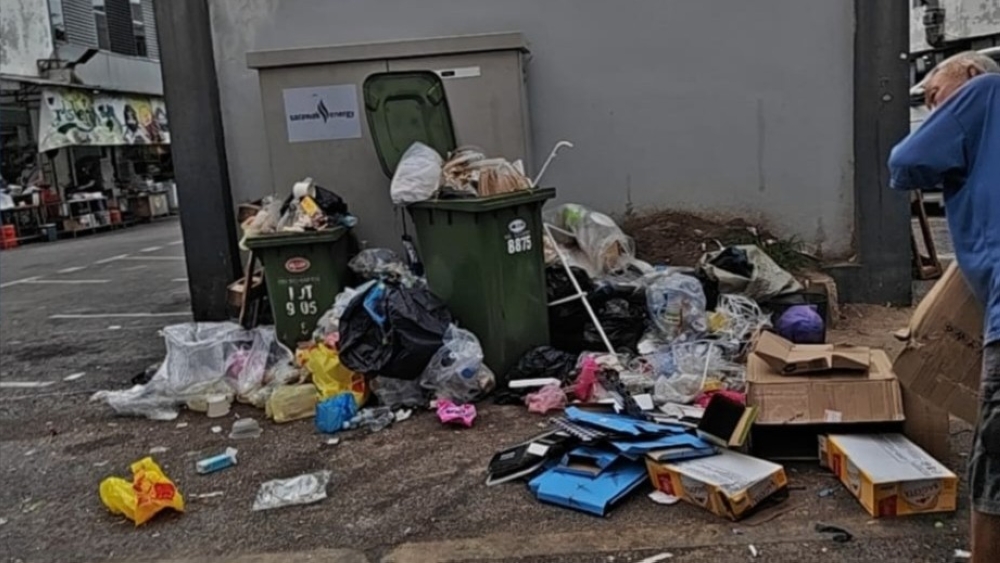
Chai established Miri City Eyes in 2024, a Facebook page dedicated to uploading and posting various issues around Miri.
He revealed that he opened the page after proposing it to Miri Mayor Adam Yii, with the intention of offering a platform for the local community to voice their complaints and to provide a check and balance for the Miri City Council (MCC).
“In fact, many of the problems raised by residents are not new. Complaints regarding rubbish collection, dirty clogged drains, overgrown grass, and delayed maintenance have persisted for years despite repeated feedback from the public. Not to mention the long-delayed public swimming pool upgrading project.
“The biggest frustration among residents is the tendency for responsibility to be shifted between agencies whenever issues arise. To the public, it is all part of Miri city. Residents do not have the knowledge or energy to find out which agency is responsible. They just want the problem solved,” he said.
Chai likened the city administration to the management of a company when it comes to non-performing departments within the city council. In his view, every department involved in city management, from engineering and public health to enforcement and supervision, must perform effectively and work together to ensure issues are addressed promptly.
He believes enforcement remains one of the weakest links in maintaining city cleanliness.
“We have laws and regulations. The question is whether they are being enforced consistently and firmly enough,” he said.
He believes that residents should also be empowered to become active participants in keeping the city clean; hence, a more responsive complaint and monitoring system should exist, allowing citizens to report issues while ensuring authorities provide visible follow-up actions and updates.
“Residents can become the eyes and ears of the city. When people take the time to report a problem, they must be able to see that action is being taken,” he said.
This year, besides MCC, the Kuching North City Commission (DBKU) and Majlis Bandaraya Kuantan (MBK) also won the award.
In a nutshell, the Asean Clean Tourist City Standard measures local authorities on seven main indicators: environmental management, cleanliness, waste management, green spaces, urban beautification, tourism infrastructure, and health, safety, and security
Accolades don’t reflect reality
A concerned resident, Kelvin Tan, saw the award as meeting regulatory standards, but noted it doesn’t necessarily guarantee public satisfaction.
“The award was a result of Miri successfully fulfilling a range of technical requirements related to urban planning, tourism management, environmental policies, and municipal systems.
“Surely, these achievements should not be dismissed, especially given the city’s rapid growth over the past decade. But it does not necessarily reflect what residents see and experience every day on the ground,” he said.
He noted that areas such as Marina Park City and its commercial areas, as well as major tourist zones are generally well-maintained; many back lanes, commercial rear alleys and residential hotspots, however, continue to face issues like indiscriminate dumping, inconsistent rubbish collection and poor upkeep.
For Tan, who speaks from his work experience as a building draftsman, the challenge is not whether Miri deserves the award, but whether the benefits of city management are being felt equally across all neighbourhoods.
“Cleanliness and consistent upkeep should not be concentrated only in areas frequented by tourists. Every resident pays taxes; they deserve a clean living environment regardless of where they live.”
He stressed that local authorities must ensure contractors entrusted with public cleaning and maintenance services are properly monitored and held accountable for their performance.
He also believes that the city needs to become more responsive to public feedback. Among his suggestions are frequent town hall sessions between residents and city officials, regular spot checks at hotspots, greater transparency in waste collection operations, and stronger enforcement against illegal dumping and littering.
“Holistic city development should focus on creating a city where people feel proud to live, work, and raise their families. This award should not be overlooked; instead, use it to motivate every layer of governance, including the end user (the community), to work more proactively in executing their responsibilities,” he said.
Recognition of years of efforts
Former councillor Karambir Singh acknowledged the frustrations of the residents, but he believes that the award should not be dismissed outright.
He told The Borneo Post that the award was given based on specific criteria and are only granted after evaluators assess Miri against those standards.
He even noted that perceptions often differ depending on individual experiences and unpleasant encounters, hence questions about how the city secured the accolade.
“If you ask visitors from other parts of Malaysia, they frequently describe Miri as one of the cleaner cities they have visited. When friends and tourists come to Miri, they often comment on how clean the city is. That tells us from an outsider’s perspective, Miri is doing many things right,” he said.
Karambir, whose last role was as chairman of MCC’s Sustainable Development Goals standing committee, also attributed part of Miri’s success to decades of environmental planning under Local Agenda 21 (LA21), a community-based sustainable development programme that Miri pioneered in Malaysia more than two decades ago.
He said LA21 laid the foundation for many environmental initiatives that residents now take for granted, including river conservation efforts, waste reduction campaigns, recycling programmes, and public awareness on sustainable living.
“The environmental concepts such as composting, recycling, reducing plastic usage, and responsible waste management have become increasingly familiar to residents over the years as a result of continuous education and community engagement,” he said.
Karambir pointed out that the city’s biggest challenge lies not in introducing new initiatives, but in sustaining them through effective implementation, monitoring and enforcement.
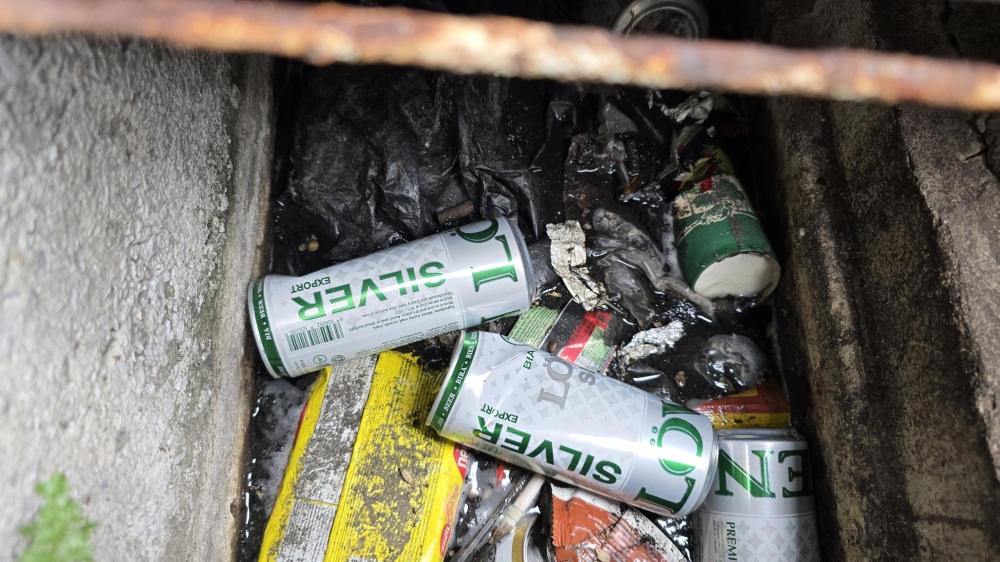
“If contractors are being paid to maintain drains and public spaces but the work is not done properly, then it is clearly a contractor issue and a monitoring issue (from the city council).
“Likewise, responsibility does not rest solely with the authorities. When drains are clogged with rubbish, someone threw that rubbish there. When drains are filled with grease and food waste, that comes from irresponsible operators. The public also has a role to play,” he said.
Karambir pointed out that the city’s biggest challenge lies not in introducing new initiatives, but in sustaining them through effective implementation, monitoring and enforcement.
Enforcement essential
Therefore, stronger enforcement is essential if Miri hopes to retain its reputation as a clean and vibrant tourist city, he said.
“We already have the necessary laws. The issue is enforcement. Laws mean very little if they are not enforced firmly,” he added.
Karambir argued that persistent offenders, whether individuals caught littering or business polluting, should face heavy penalties, because he believes awareness comes only when enforcement works.
He further added that cleanliness is ultimately a shared responsibility between the city council, businesses, and residents.
While the award is something to be proud of, he does feel that it should also motivate the local government and every member of the communities living within to improve further.
“The award is both an acknowledgement of years of environmental efforts and a reminder that the city cannot afford to become complacent. It recognises how far we have come. The challenge now is ensuring that the standards continue to improve,” he said.
The award assesses cities on environmental management, cleanliness, waste management, green spaces, urban beautification, tourism infrastructure, and health, safety and security. — The Borneo Post


