


KUALA LUMPUR, Jan 9 — Godzilla (Gojira), the colossal kaiju that first roared onto Japanese screens in 1954, has arrived in Malaysia — and it’s set to be the talk of 2026.
Malaysia’s first permanent official Godzilla store opened at 5pm today at Mitsui LaLaport BBCC, Kuala Lumpur — the first in South-east Asia.
Following successful outlets in Japan’s Shinjuku and last year’s debut international store in Taipei, the Malaysian branch promises the same immersive experience fans have loved.
The store is a collaboration between Toho, Toho Entertainment Asia, and local partner M&M Creations Holdings.
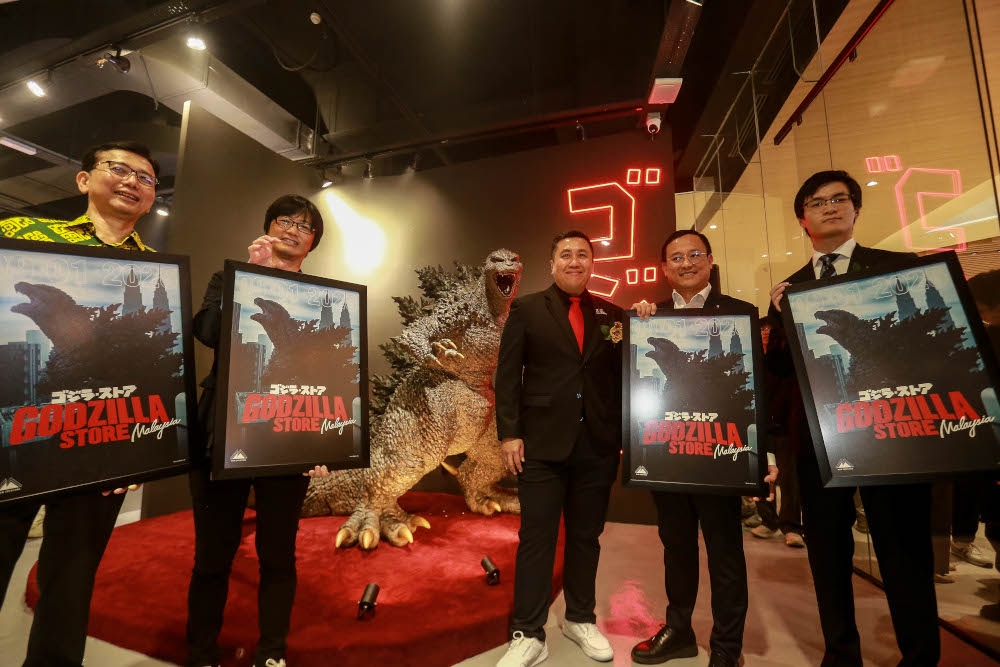
Its launch forms part of a broader strategy to strengthen the Godzilla brand across Asia, led by Toho Entertainment Asia, headquartered in Singapore.
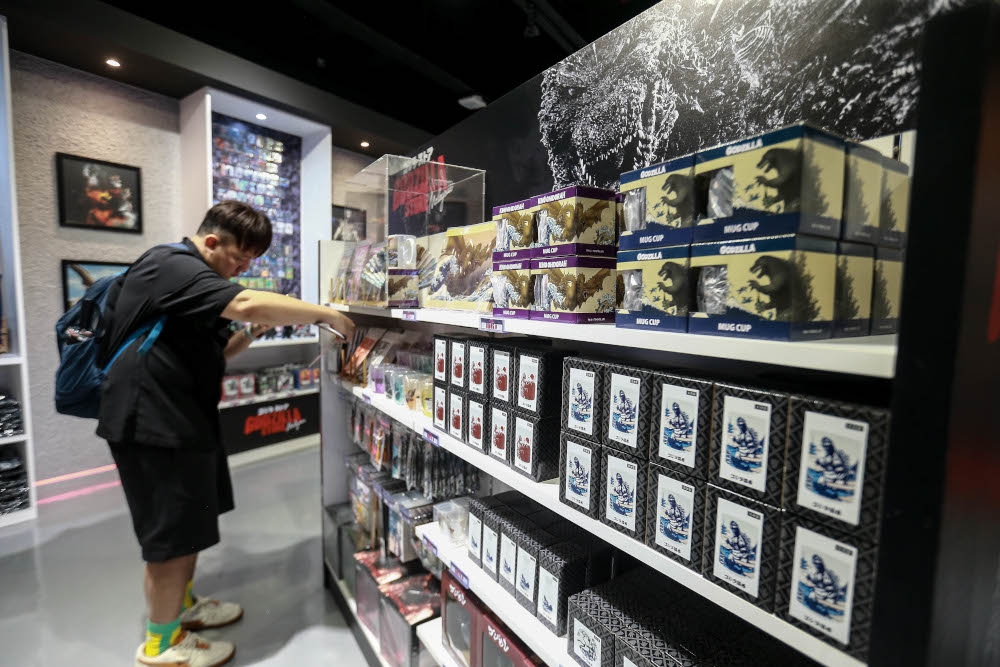
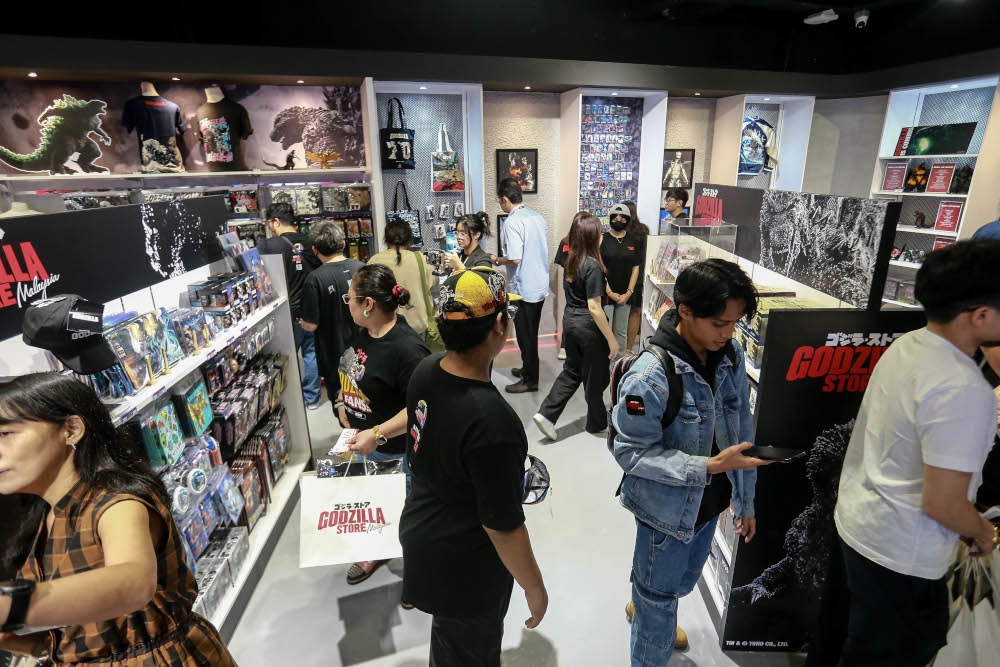
Malay Mail attended the 2.30 pm launch and was immediately greeted by a two-metre-tall Godzilla statue at the store’s entrance, surrounded by merchandise ranging from Japanese sofubi (soft vinyl toys) to T-shirts, hats, keychains, and other collectibles.
Managing director of Toho Entertainment Asia, Fabio Murayama, said: “We like to share our Godzilla spirit with all fans, especially in Malaysia.”
CEO of M&M Creations Holdings, Ben Lee, added: “Godzilla is an iconic character loved worldwide, and we’re proud to bring this official experience to Malaysia. This is our first IP concept store and the first Godzilla outlet in South-east Asia. We hope it becomes a must-visit destination for fans, families, and tourists.”
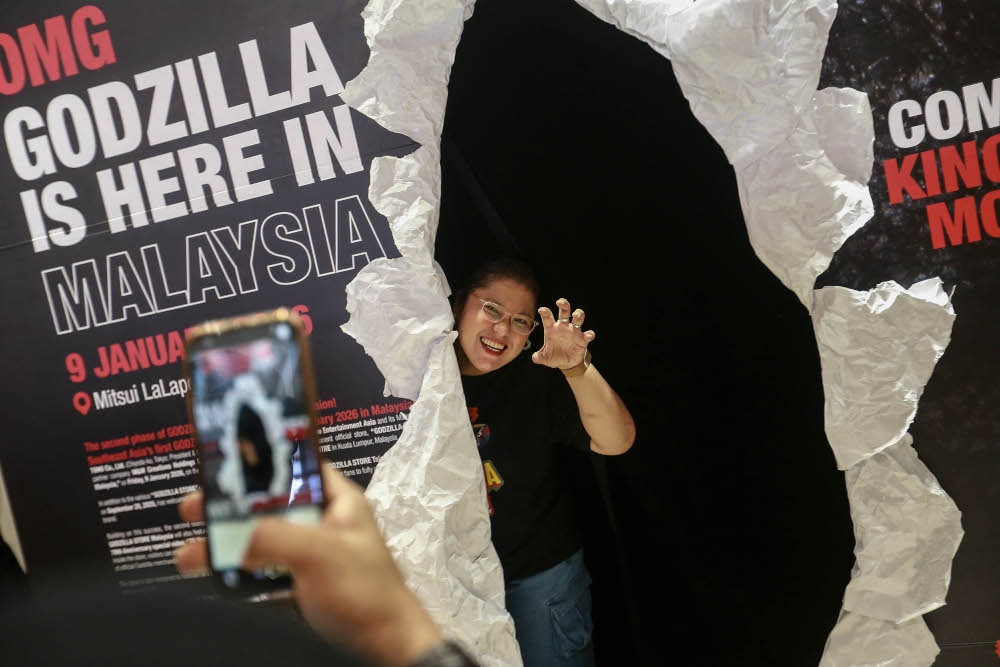
More merchandise and collectibles are set to be introduced in the coming months, Lee said, encouraging fans to stay tuned.
Ambassador of Japan to Malaysia, Noriyuki Shikata, shared that he grew up with Godzilla during his childhood and insisted on attending the opening.
“I’m so glad there are so many Godzilla fans in Malaysia,” he said, wishing the store every success.
Godzilla in pop culture
Beyond merchandise, Godzilla’s legacy looms large in pop culture, from its Japanese roots to international adaptations.
The kaiju emerged from post-World War II Japan as a potent metaphor for nuclear terror, humanity’s destructive impulses, and the consequences of human arrogance.
Godzilla gave rise to the kaiju genre and revolutionised special effects through the work of Eiji Tsuburaya, who pioneered “suitmation” to bring the colossal creature convincingly to life.
Widely regarded as the first tokusatsu (live-action Japanese dramas using special effects), it paved the way for franchises such as Ultraman, Kamen Rider, and Super Sentai.
More than 30 Japanese Godzilla films have been produced, with international hits including Hideaki Anno and Shinji Higuchi’s 2016 Shin Godzilla, which grossed US$79 million worldwide in its initial run, and Takashi Yamazaki’s 2023 Godzilla Minus One, which won eight awards at the 47th Japan Academy Film Prize and Best Visual Effects at the 96th Academy Awards.
Godzilla has also thundered into the West through Legendary Pictures’ adaptations, including Godzilla (2014), Godzilla: King of the Monsters (2019), and Godzilla vs Kong (2021), with more films on the way such as Godzilla Minus Zero (2026) and Godzilla x Kong: Supernova (2027).
The King of Monsters shows no signs of slowing down — expect more films, more merchandise, and perhaps more Godzilla stores across Asia and beyond.


