


KUALA LUMPUR, Sept 14 — For most people, skin troubles are temporary and easily managed but for those who live with atopic dermatitis (AD), it can be a heavy burden to bear.
Sadly, AD is often viewed as a minor condition, with patients often being told that it is ‘just’ a skin condition as many don’t understand its severity.
According to consultant dermatologist Dr Kartini Rahim, symptoms of AD can be quite devastating.
“Itchy skin can keep them up at night, preventing rest and affecting their ability to study or work effectively.
“Inflamed or weepy skin, on the other hand, can stick to hair or clothing, which hurts or bleeds when it’s pulled away.”

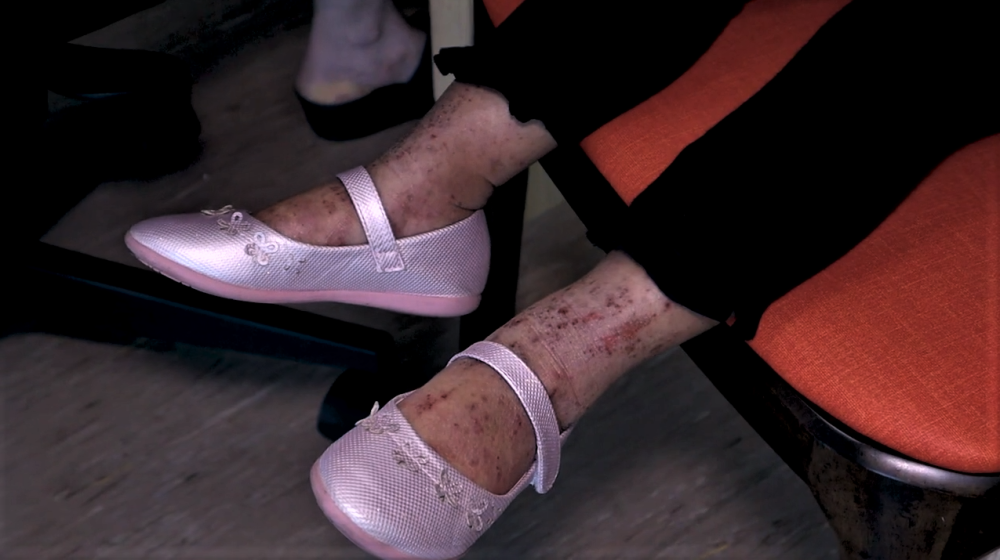
Dr Kartini said those with AD often have dry, flaking or scaly skin which makes patients feel embarrassed, self-conscious and subject to cruel taunts.
“These are what AD patients have to deal with on a daily basis if their condition is not well managed.”
She noted that poor understanding of AD is a significant obstacle as common misperceptions abound.
“Some people view AD as a problem stemming from poor hygiene, while others fear it is contagious.
“This can be particularly difficult for children who may feel stigmatised by friends and schoolmates.”
Dr Kartini said there are also many who attempt home remedies, dietary restrictions and unproven cures — often without seeking medical advice — that can worsen their condition.
“Some also refuse to use the recommended treatment due to steroid phobia, which eventually makes the disease deteriorate.”
She, however, said people with AD get to experience improved quality of life with the correct knowledge, diagnosis and proper management, .
Dr Kartini said patients must understand that AD is a multidimensional condition and must be prepared to make holistic changes to alleviate their physical and emotional symptoms.
Here is some of Dr Kartini's advice to help relieve the burden of the disease on the patients, their primary caregivers and family members.
Ask for medical advice
According to Dr Kartini, AD is a complex condition and it can be difficult for an untrained eye to diagnose it correctly.
“Some patients go through years of self-medication and frustration before getting a diagnosis, hence it is vital to seek medical advice from an experienced doctor or qualified dermatologist.
“With this, patients can receive the appropriate treatment they need, and learn more about proven and effective AD management from a reliable source to relieve the symptoms.
AD is a common condition in children with an estimated prevalence of 20.9 per cent.
Parents are advised to seek medical attention if their children's skin displays irritation or inflammation for a prolonged period.
AD management
Managing AD need not be complicated, but it requires discipline.
Dr Kartini said upon diagnosis, it may be necessary to use different personal care products or clothing to avoid substances that may trigger flare-ups.
“Avoiding physical irritants like harsh cleansers will help to reduce troublesome flare-ups that take days or weeks to heal.
“As AD symptoms can also affect patients emotionally, having a supportive network of family and friends and being part of a patient group such as the Malaysia Eczema Society and Malaysia Eczema Support Community is important for emotional support.”
AD treatment
The experience of AD is often different among the patients.
“It can appear at different ages and have different triggers, hence doctors and patients need to work closely to determine the most effective treatment strategy.
“This often includes a combination of moisturisers or emollients, topical steroids and topical immunomodulators, which help to regulate the skin’s immune response.”
Dr Kartini said other treatments for AD may include oral or injectable steroids or immunosuppressants, antibiotics, phototherapy or more specialised treatments like biologic therapy.
“It helps to reduce the inflammation that triggers AD flare-ups.
“A relatively new treatment option, biologic therapy has been found to help patients with moderate-to-severe-AD who have found limited success using other forms of treatment.”
Dr Kartini said the most important goal is to help people with AD know that the disease can be managed.
“Seek diagnosis and treatment, whether from primary care, specialist clinics, and government or private facilities.”
Read more here for information on skin conditions and topics related to skin health.


