















SEREMBAN, Aug 14 — When it comes to travelling within the country, one often overlooks Negri Sembilan, opting for more popular destinations such as Penang and Malacca. But my recent visit to the Land of Nine States in conjunction with the ‘Mega Familiarisation Programme’ organised by Tourism Malaysia proved to be eye-opener and enjoyable.
About 50km away from Kuala Lumpur, the state makes a perfect day-trip adventure for weekend warriors. Well-known for its rich customs and traditions, Negri Sembilan is prominently associated with the influence of Minangkabau, best
witnessed in the architecture styles reflected in the construction of its buildings and traditional homes.
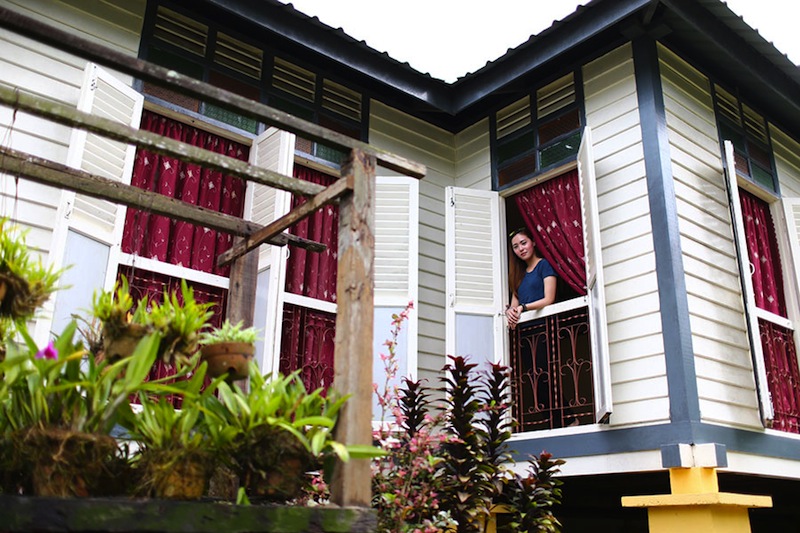
A taste of kampung life
I was transported away from the busy capital to Kampung Lonek, a quaint village in Jempol, about 60km from Seremban. With Hari Raya celebrations still in full swing, we were given a warm welcome by the kampung folk who treated us like their own.
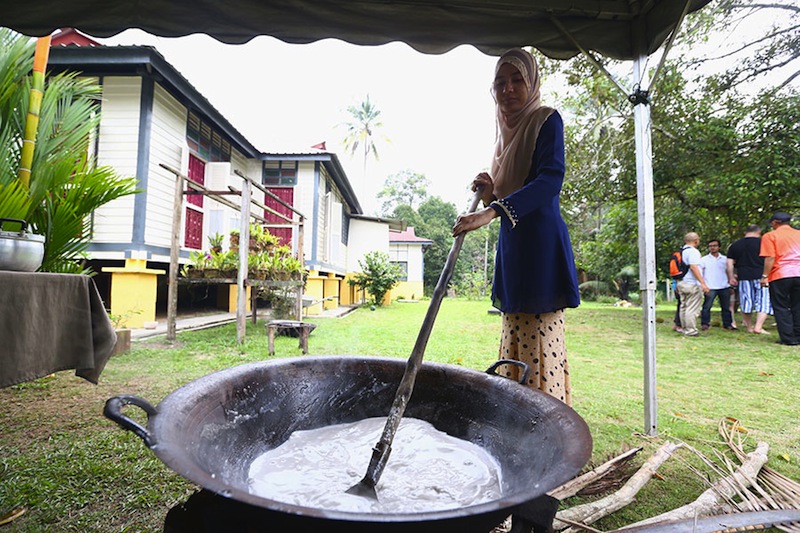
And what’s Raya without an invitation to an open house, right? But instead of stuffing everything straight away, we were given a chance to prepare the local delicacies including ketupat, dodol and my favourite, the onde-onde — a shredded coconut-coated rice flour dumpling dessert with a delicious filling of melted palm sugar that floods the mouth.
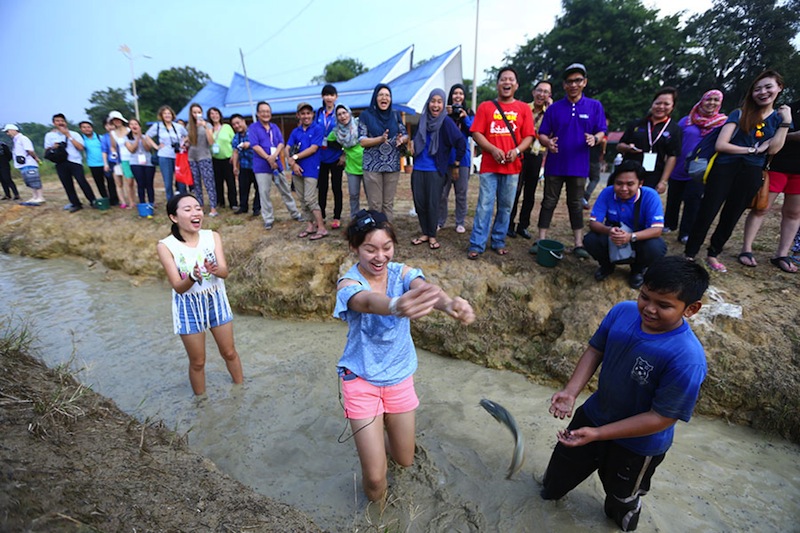
Before indulging in some of the best Hari Raya food I’ve ever tasted (the daging salai was particularly exquisite), we witnessed how the locals mengoca ikan, which was hands down the most exciting experience for the participants and
spectators.
In a small irrigation canal blocked on both ends, one has to jiggle the muddy water by kicking in the water as much as possible so the fishes are dazed and in response, swim to surface. The next step was for us to catch them with our hands!
A participant from the Philippines ,James P. Amparo, said: “This is easier said than done.
“The ‘trick’ reminds me of my childhood when I used to catch fish in the river with my friends.”
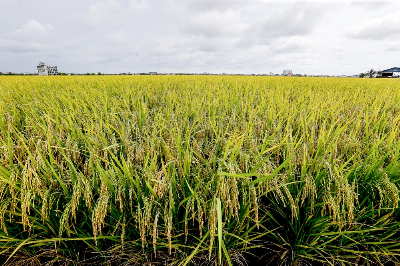
The kampung was opened in the 19th century by a group of settlers led by the late Tuan Hamzah and his wife, Puan Ichik. Today, it is home to a group of industrious villagers who work the padi fields, tend to fruit orchards and run small businesses such as beekeping and the more popular homestay services which started in December 2004.
The olden days
One of the fastest growing tourist spots in the state is Ladang Alam Warisan in Kuala Pilah, which offers a glimpse into the Malay civilisation 500 years ago, complete with rare sights of some of the most beautiful traditional kampung
houses available for homestays as well.
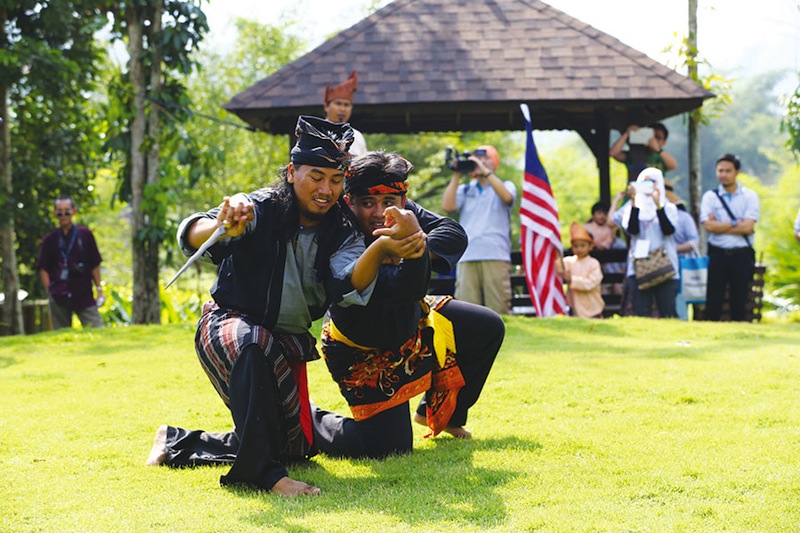
The workers, dressed in warrior costumes, showcased an impressive performance of silat, followed by a guided tour of the 6ha land that was once a piece of untouched forest. The highlights of the tour included the Balairong Alam Warisan,
a spacious hall that resembles the Malay palace from the days of yore, a bird farm with exotic roosters and a splendid array of kampung food.
“Ladang Alam Warisan was set up five years ago for anyone who wants to experience and be immersed in the traditional Malay culture of Negri Sembilan, particularly the adat pepatih,” said its founder, Muhamad Akmal Mohamad Dahlan, referring to the matrilineal kinship system whereby the women are the head of the household.
“From horseback riding, archery and pet farming to food preparation, music and dance, the activities here are interactive so you’d get a taste of how the people lived back then.”
Riding big bird
Back in Seremban, we found ourselves at the land of big birds, the Jelita Ostrich Show Farm and to our amazement, witnessed a couple of ‘Mat Rempit’ (term for illegal motorcycle racers) swapping the two-wheel machines for ostriches.
These ‘racers’ are one of the main attractions at the 4.2ha show farm, the first of its kind in the country that has been home to more than 80 ostriches for the past decade.
“An ostrich lives up to 80 years and the female can lay between 40 and 80 eggs per year for up to 40 years,” said the farm’s owner, S.S. Abaham.
“Their long legs give them the ability to run at an amazing speed and the farm is frequented by visitors from France and Japan who come here to race on the birds.”
Besides getting to ride an ostrich (and awarded a certificate for doing so), another amusing highlight of the tour is being allowed to stand on ostrich eggs which don’t break even when they’re stood on by a person that weighing 100kg.
The farm also offers a number of ostrich by-products including hair and skincare products.
“Ostrich oil has no cholesterol and is rich in essential fatty acids, including Omega 3, 6 and 9,” Abraham said.
“It offers many health benefits such as treating eczema and scars. It can also slow down ageing process.”
Currently, the farm is conducting research to develop pharmaceutical products to treat breast cancer.
Walk in royal’s shoes
We were given the royal treatment by the end of our three-day tour, one that celebrates the life and times of one of the country’s royals, the late Tuanku Ja’afar Abdul Rahman.
Launched last December, Galeri Diraja Tuanku Ja’afar offered us an intimate look at Tuanku Ja’afar’s personal and public life, from childhood to his years as the 10th ruler of Negri Sembilan.
Another highlight was a collection of Tuanku Jaa’far’s artwork.
The gallery’s curator Nor Hazwani Hembali said: “What you see in the gallery today will be replaced with new collections next year so visitors can learn more about Negri Sembilan’s royal family.”