


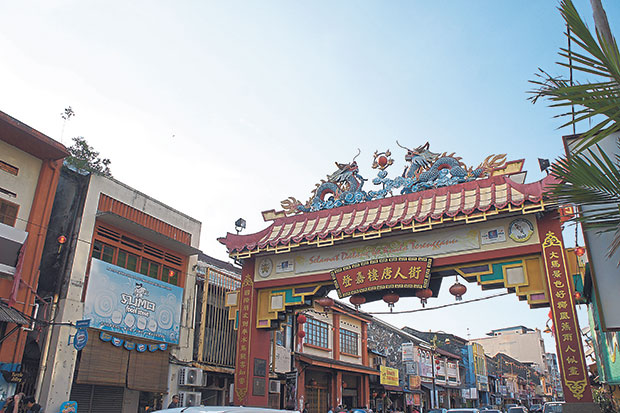
KUALA TERENGGANU, June 28 — There are numerous giveaways: The entrance arch that’s recognisable by its bold motifs and dragons crowning the top, red lanterns strung across facing rows of shophouses and hung in front of wooden doors plastered with ‘tui nien’ (Chinese scrolls bearing auspicious sayings).
It’s Chinatown without a doubt, and is often a surprise for visitors who are not expecting to find one in Kuala Terengganu. Drive along Jalan Bandar, past the popular shopping bazaar that is Pasar Payang, and you will arrive at what locals call Teng Lang Po or Pekan/Kampung Cina.
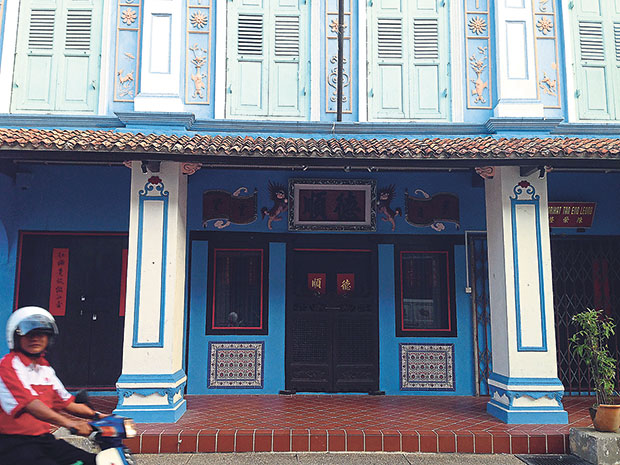
This was where the earliest Chinese settlements in Terengganu set up base, a stone’s throw from the mouth of the Terengganu River that was an important trading port in the olden days. There are no official records of its founding but this settlement is believed to have existed since the 16th century. Early settlers built their family homes in architectural styles that were vernacular in their province of origin and ran their businesses at shops flanking the main street.
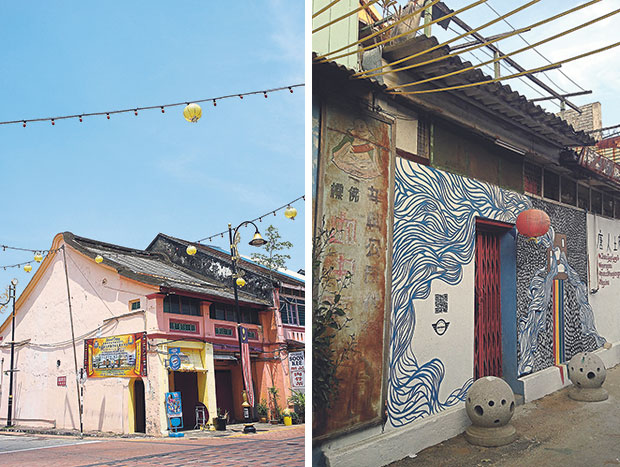
This short stretch may have lost its commercial lustre through the years but the buildings continue to stand, awash in licks of pastel paint and punctuated by shutters in bolder shades with the occasional red of lanterns as well as vintage signboards.
Locals come here for their regular supply of goods from a smattering of mom-and-pop shops that have served them for years, or grab an easy meal from the few coffee shops and restaurants. Popular dishes include the roti paun, a Terengganu specialty of mini butter buns, often paired with thick Hainanese coffee. For a proper sit-down meal, there’s Madam Bee’s Kitchen, one of just two Terengganu Peranakan restaurants in town where you can tuck into sweet and savoury delights that are rich in spices, raw herbs and coconut milk.
For the visitor, a stroll through this colourful area presents many points of interest for both architectural and heritage enthusiasts, with singular buildings showcasing a mixed bag of design and details that reflect the different eras in which they were erected — from ancient Chinese aesthetics to Art Deco sensibilities and even Champa influences.
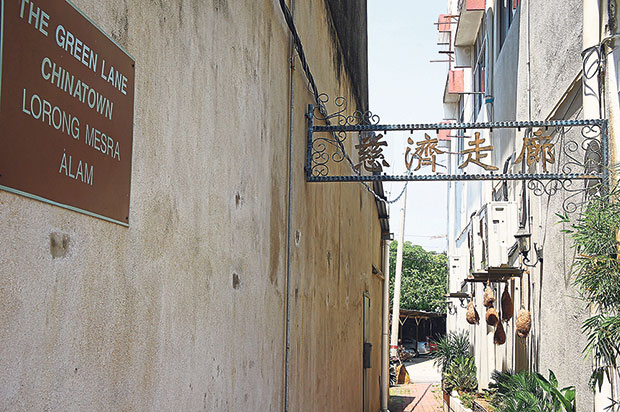
In the last few years, Pekan Cina has added even more colours to its palette bit by bit, thanks to an initiative to brighten up the alleys that separate the blocks of shops. Seven of such laneways have been transformed into art spaces decked out in murals and installation pieces, with each lane bearing a specific theme.
Of the seven laneways, Green Lane was the first to be spruced up and is also the simplest of the lot. A short strip that connects Pekan Cina to a Chinese village, its entrance is marked by a wrought iron signage bearing its name in Chinese, with potted greens lined up against one wall.
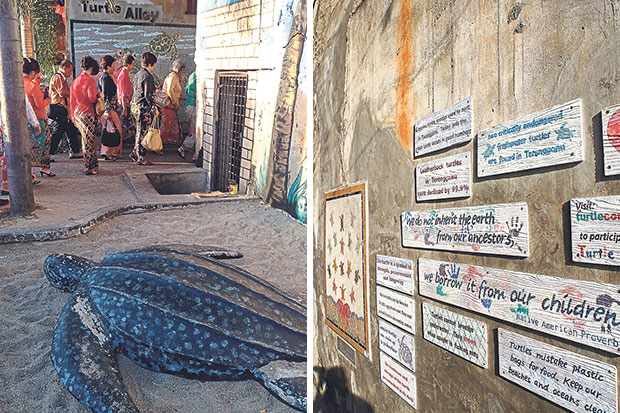
Much longer but a lot narrower is Turtle Alley, which pays homage to the state’s official mascot that’s as well loved as it is endangered. A stone-carved leatherback sits on a sandy patch in front of a mural depicting an idyllic beach scene at the start of this lane while mosaic turtles pave the ground and walls. There are also various reminders on ways one can help protect these sensitive creatures — not collecting or purchasing their eggs, for example, and refraining from disposing plastic bags into the sea as turtles could mistake them for jellyfish and choke on them.
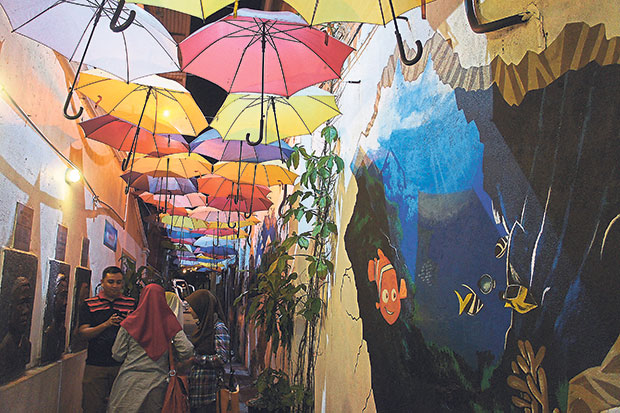
A tribute of a different kind takes place at Lorong Kenangan Payang, where prolific personalities from the local Chinese communities who are recognised for their contributions to the state and country are immortalised in bronze cast plaques. A cluster of colourful umbrellas hang above, and is meant to symbolise unity in diversity.
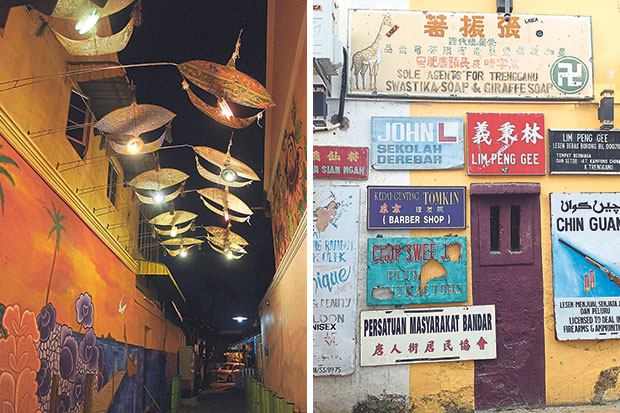
Looking up certainly pays when visiting these laneways and at Lorong Haji Awang Besar, it’s the traditional wau bulan that’s emblematic of the Malaysian East Coast that takes centre stage.
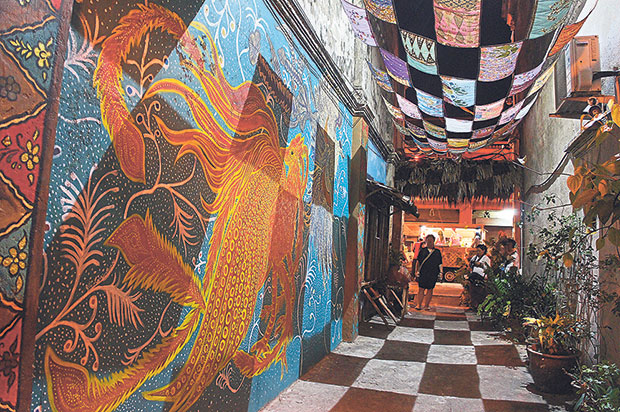
Another Malaysian East Coast specialty, the batik, is stitched into a canopy of rectangle blocks that hang above Eco Lane. At night, with the street light casting the former’s shadows onto the ground below and the adjacent wall — painted to resemble a giant piece of the traditional fabric — the lane takes on a surreal appearance, like a Van Gogh painting come to life.
Across the road, you can walk down memory lane along Tauke Wee Sin Hee Cultural Lane, named after a wealthy merchant from the 1900s and located beside what used to be his shop, and pose for a souvenir shot by the red telephone box parked next to a wall covered with vintage shop signs. Further up, hanzi verses from a Han Dynasty-era poem dress the side of a building, facing a bold graphic mural by Punca, a non-governmental organisation that promotes various art initiatives in Terengganu.
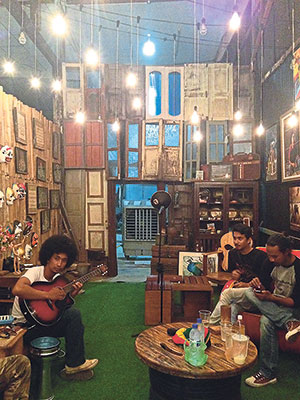
Punca’s efforts are not limited to the laneway arts; they also run a gallery here called KitaReka. From far, you will be attracted to a bright red sofa that resembles a Mini Cooper placed out front. Step in and you could easily mistake it for a hipster-friendly Third Wave cafe, what with bare light bulbs dripping from the rafters, decor pieces converted from industrial materials and a back wall that’s constructed from wood-and-glass shutters salvaged from kampung houses. There’s certainly plenty to take in upon first impression, but it’s what’s on the walls that really count here: artworks by Terengganu’s young and upcoming artists, some of whom also contributed to the laneways.
The beautifying of these small alleys may have started off as a safety measure, with the aim to clean them up and make them well-lit at night so that people would feel safe walking through them. But it has become much more than that as spaces that were previously ignored now have meaning and function. Through its laneway art, Pekan Cina has awoken from the sleepy enclave it has been for so long and become once again a point of attention and a hub where people like to gather.
Vivian Chong is a nomad, foodie and lover of all things beautiful and handmade. Read more of her travel and lifestyle stories at http://thisbunnyhops.com/


