


KLANG, Oct 11 — Most people visit Taman Intan on Sunday mornings for their bak kut teh fix. After all, this is the go-to place to enjoy a bowl of the succulent pork meat soup dish.
However, the old commercial area which is just five kilometres from Klang town is also famous for one other thing: pau! But not just any pau… these are made to an old family recipe.
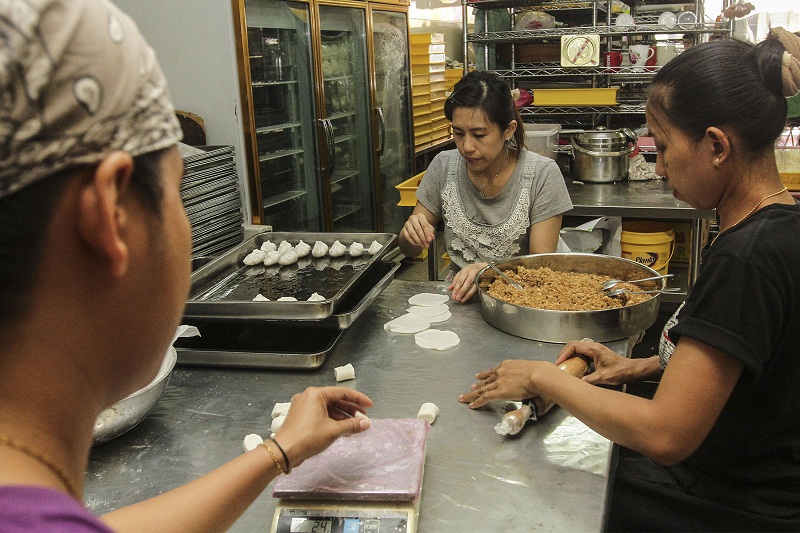
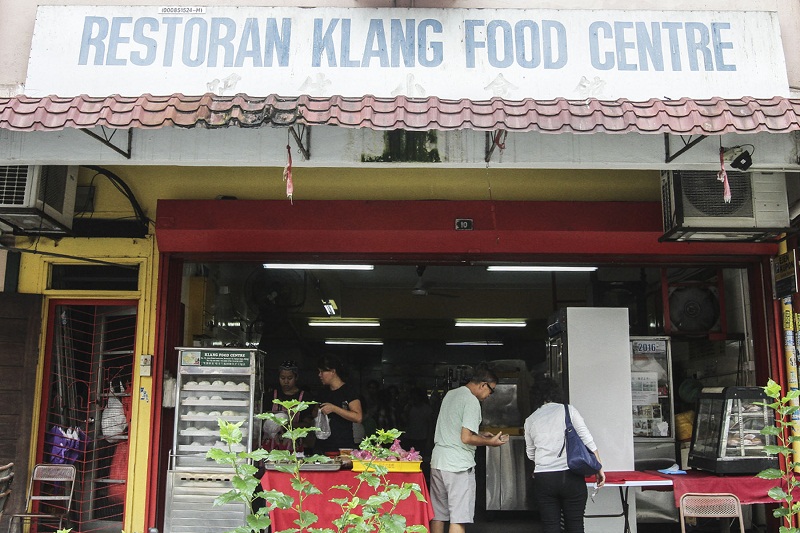
Lam Wai Yean, her brother and mother have been running Klang Food Centre Restaurant for the past 20 years.
The restaurant, which opens from 7am to 6pm, is crowded every day and attracts hundreds of customers, not only from Klang, but also Petaling Jaya and Subang Jaya as well.
So how did a restaurant which sells paus, sandwiched between famous bak kut teh restaurants, become famous?
According to Lam, it was entirely by accident.
“In the early 90s, we were selling mixed rice for lunch and fried noodles during tea time.
“One day, we ran out of noodles and we had a few hungry customers… you know what they say: a hungry man is an angry man,” the 46-year-old woman quipped.
Lam said her mother, Loh Sooi Mooi, 76, quickly made some paus for those hungry customers.
“They were extremely delighted after eating the paus and told my mother to continue making them,” she added.
Soon word that Lam’s family was making delicious home-made paus spread, attracting more and more customers.
Loh learned to make paus from her mother but nobody can remember how the recipe first came about.
Unlike most commercial paus where the dough is mixed using a machine, the dough here is hand mixed which according to Lam makes the dough “less sticky” in the mouth and much tastier.
And it’s true.
The paus here do not stick to your fingers and one bite is enough to leave you craving for more.
“In making a pau, the dough is very important… if it is not nice, no matter how good the filling inside tastes, the pau won’t taste good.
“That’s why we put in a lot of effort when preparing the dough,” she said.
Slowly, the family realised that the demand for paus was increasing to the level that it was becoming difficult to cope with preparing the dishes for mixed rice as well as make different varieties of paus.
"About a decade ago, we decided to stop serving mixed rice and focus solely on paus and other confectioneries like curry puffs and sesame balls," she said.
Today the family not only sells paus at their restaurant, they also supply daily to restaurants in Bangsar, USJ and Bukit Tinggi, Klang.
Lam said they started off by selling only three types of pau, namely the red bean, char siew (barbequed pork) and kaya. In terms of quantity, they only prepared about 20 a day at the start.
“Today, we make 14 types of paus and prepare at least a thousand pieces each day,” she said. Among the more interesting varieties are mui chai (fermented vegetables), peanut and yam.
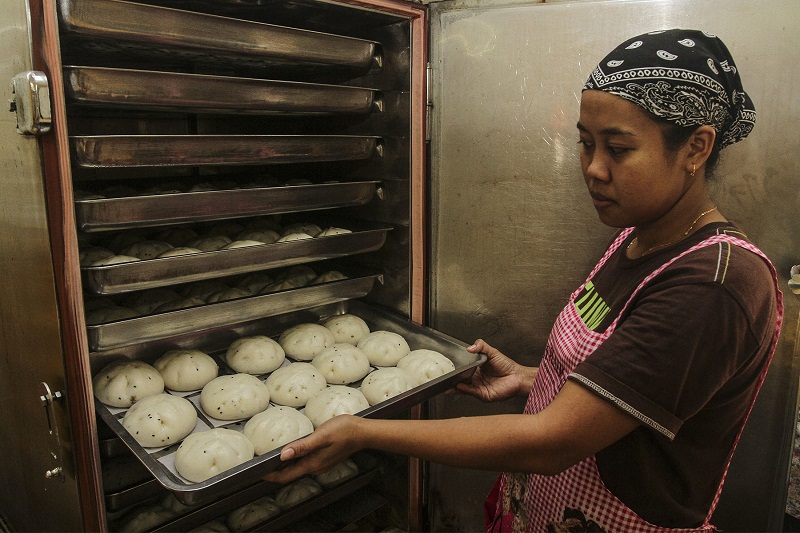
Typically, her day starts at 4am where she picks up about seven to eight of her workers in Klang to help out in the business.
“Then, we start the preparation... from making the dough to steaming the paus before our customers come in at 7am.
“That is the first batch where we also keep some to supply to other restaurants.
“At about 2pm, we make the second batch for those coming in during tea time.”
The paus, Lam said, are made every day with no preservatives used so they do not last very long.
“At the most, our paus can only last for three weeks in the freezer,” she added.
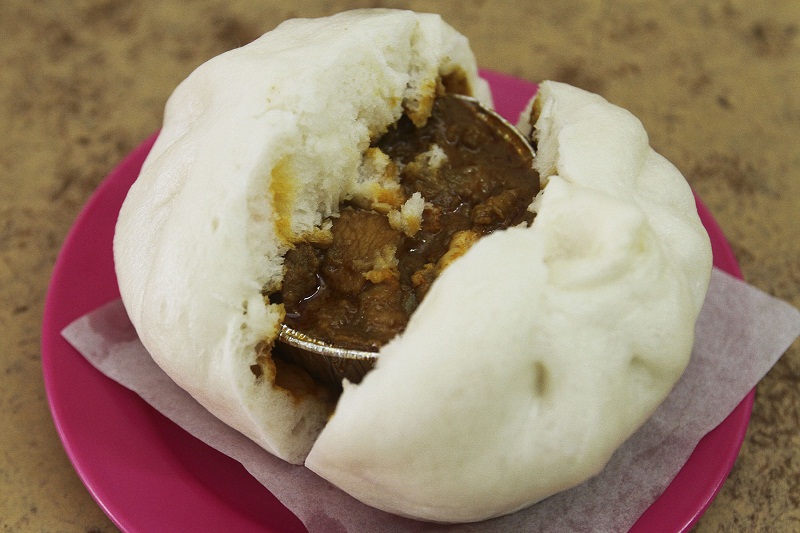
The most popular are char siew, tai pau (large chicken pau), red bean and chicken curry.
* The Klang Food Centre is located along Jalan Batai Laut 5.


