


JUNE 15 — Malaysia is experiencing a significant demographic shift, with projections indicating that by 2030, one in five Malaysians will be aged 60 and above due to increased life expectancy and declining birth rates. This “silver tsunami” presents both challenges and opportunities, prompting a rethinking of ageing as a phase of productivity rather than decline. At the forefront of this shift are the Pusat Aktiviti Warga Emas (PAWE) or Elderly Activity Centres, which serve as critical community hubs promoting active, healthy, and socially productive ageing. PAWE’s contributes to physical health, cognitive function, social connectivity, and economic productivity among Malaysian seniors, positioning them as essential infrastructure for the nation’s ageing society transition.
Productive ageing, conceptualised by Robert Butler in the 1980s, is a framework that promotes active engagement in economic, social, and civic life for older adults. This paradigm aligns with Malaysia’s National Policy for Older Persons 2011, which prioritizes active and healthy ageing. Since their establishment in 1998, PAWE centres have aimed to turn idle seniors into vibrant contributors, offering programmes that address physical, cognitive, and social needs. It does not mean forcing senior citizens to work or remain economically active. Instead, it recognises that older adults still possess valuable knowledge, skills, experience and wisdom. Their contribution may come through paid work, volunteering, caregiving, mentoring younger generations, participating in community activities, or preserving cultural and religious practices.
To tackle physical inactivity — a major risk factor for chronic diseases affecting around 60 per cent of seniors — PAWE provides activities such as aerobics, tai chi, and swimming. Cognitive engagement is facilitated through workshops on memory games and digital literacy, which are crucial as digital skills become increasingly essential. Social isolation, reported by 20-30 per cent of urban elderly, is combat with communal activities and events that foster connections.
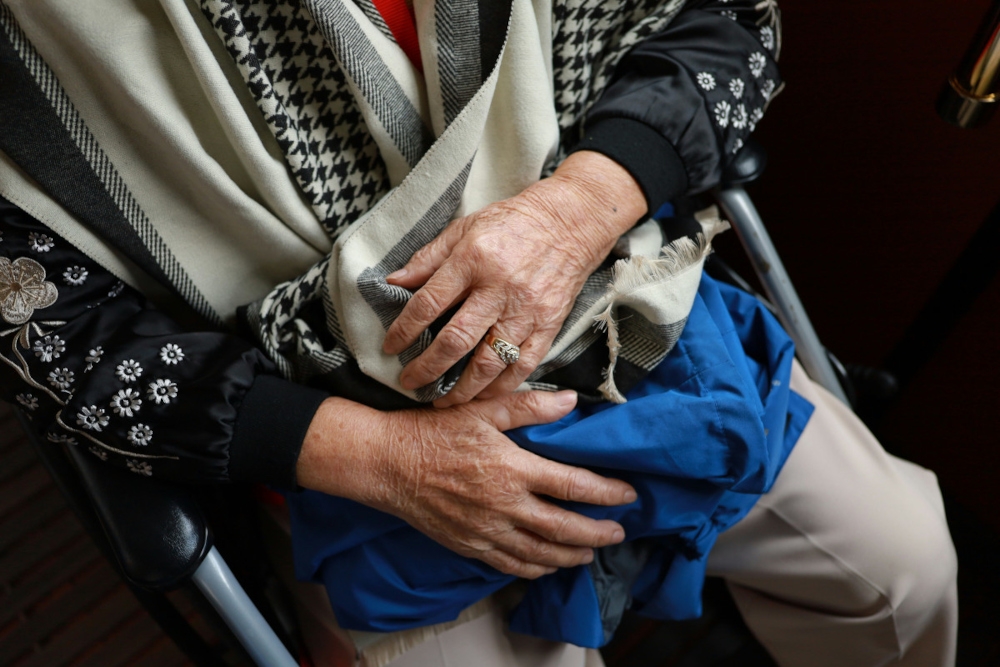
Economically, PAWE empowers seniors through entrepreneurship programmes in states like Penang and Johor, enabling participants to sell handmade goods and report increased income from home-based ventures. For instance, a member from Selangor turned her quilting skills into a successful small business. Lifelong learning initiatives, spanning skills in handicrafts and basic technology, further promote independence and dignity among older individuals.
In a multicultural context, PAWE also fosters intergenerational bonds by connecting seniors with youth for mentoring in traditional arts or storytelling, mitigating loneliness exacerbated by migration patterns. Urban centres incorporate gerontechnology innovations, aligning with Malaysia’s broader digital economy goals.
Moreover, PAWE enables seniors to give back to society by sharing their experiences and knowledge, shifting perceptions from viewing them as dependents to active community contributors. This involvement alleviates caregiver pressures and enhances intergenerational solidarity within families and communities.
However, challenges persist, particularly in rural areas facing funding shortages and transportation issues, which limit access for many seniors. Staff training in emerging technologies is necessary to ensure effective service delivery. The Covid-19 pandemic highlighted vulnerabilities, disrupting activities and increasing mental health challenges among seniors.
Moving forward, PAWE must adapt to evolving needs with recommendations for increased funding through public-private partnerships, expanded tech integration for senior-friendly applications, and the establishment of additional centres in underserved areas. Linking PAWE initiatives with food security and urban farming could enhance nutritional and economic opportunities for seniors.
Productive ageing, as facilitated by PAWE, is framed as a strategic investment in Malaysia’s future, contributing to resilient communities, alleviating pension burdens, and upholding cultural respect for elders. As emphasised by Prime Minister Datuk Seri Anwar Ibrahim, “Ageing is Malaysia’s dividend, not debt.” Strengthening PAWE will ensure that seniors can age with dignity, purpose, and joy, transforming them into active participants in society. Ultimately, productive ageing is about respect, participation, and continuous contribution, aiming to create an age-friendly Malaysia that provides opportunities for seniors to remain engaged and valued.
* The author is a Research Fellow at the Ungku Aziz Centre for Development Studies (UAC), Universiti Malaya and a part-time lecturer at Azman Hashim International Business School (AHIBS) UTM, and can be reached at [email protected].
** This is the personal opinion of the writer or publication and does not necessarily represent the views of Malay Mail.


