


MAY 28 — “I’m okay. I only had a little.”
It is a phrase heard far too often after dinners, celebrations, office gatherings, and late-night outings. Sometimes it is said jokingly, sometimes confidently, and sometimes with genuine belief. The person saying it may even walk steadily, speak clearly, and feel fully capable of driving home.
But alcohol does not merely affect movement or speech. One of its most dangerous effects is that it quietly impairs the brain’s ability to judge its own impairment.
That is what makes driving under the influence so dangerous. The problem is not simply that alcohol slows reflexes or affects coordination. The greater danger is that many people genuinely believe they are still functioning normally when they are not.
The moment ethanol, commonly known as alcohol, enters the body, it is rapidly absorbed into the bloodstream and transported to the brain. From there, it begins interfering with the central nervous system in ways that directly affect judgment, reaction time, and decision-making.
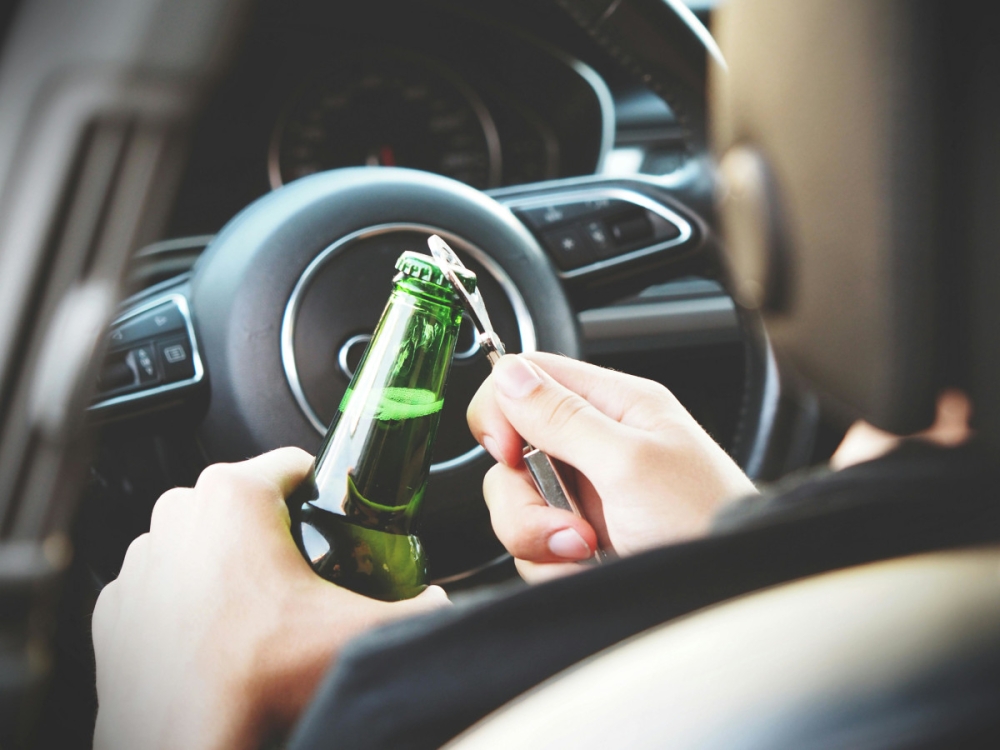
Scientifically, alcohol affects several important neurotransmitter systems in the brain. One of them involves gamma-aminobutyric acid, or GABA, which functions as the brain’s primary calming chemical. Alcohol enhances the effect of GABA, slowing communication between the brain and the body. As a result, reaction time becomes delayed, coordination weakens, and motor responses become less precise.
At the same time, alcohol suppresses glutamate, another neurotransmitter responsible for alertness, cognitive processing, learning, and memory. This combination creates a dangerous mismatch between confidence and actual ability. A person under the influence may genuinely feel alert enough to drive, even when reaction time, peripheral vision, and judgment have already begun to deteriorate.
This is why individuals who are intoxicated often underestimate their own level of impairment. The brain gradually loses its ability to accurately assess its own limitations.
Even a delay of one or two seconds in pressing the brake pedal can have devastating consequences on the road. At highway speeds, those few seconds may be the difference between stopping safely and causing a fatal collision.
Unfortunately, many misconceptions about “sobering up” continue to persist. Some believe that taking a cold shower, drinking black coffee, or resting briefly can quickly reverse the effects of alcohol. Scientifically, this is simply untrue.
The liver breaks down alcohol primarily through an enzyme known as Alcohol Dehydrogenase (ADH). However, this metabolic process occurs at a relatively fixed rate. Neither coffee nor cold water can significantly accelerate it. As long as alcohol remains in the bloodstream, impairment remains present, regardless of how “normal” a person may feel.
Because the effects of alcohol are both predictable and scientifically well established, traffic laws in many countries have become increasingly strict. In Malaysia, amendments to the Road Transport Act 1987 enforced in 2020 significantly lowered the permissible Blood Alcohol Concentration (BAC) limit from 80mg to 50mg of alcohol per 100ml of blood.
For many individuals, consuming just two glasses of beer may already be enough to exceed this legal threshold, depending on factors such as body weight, metabolism, and food intake.
More importantly, the law no longer treats drunk driving as a minor lapse in judgment. Under Section 45A of the Act, individuals found driving above the prescribed alcohol limit may face imprisonment, substantial fines, and suspension of their driving licence even for a first offence.
Where death or serious injury occurs, the penalties become far more severe. In such cases, the court relies not on personal explanations or intentions, but on objective evidence obtained through breath analysers and laboratory blood tests. These scientific findings often become critical evidence in determining criminal responsibility.
Ultimately, however, the issue extends beyond legal punishment alone.
Most people who drive under the influence do not begin the night intending to cause harm. Many are ordinary individuals who convince themselves that they are “still okay” to drive a short distance home. That quiet self-assurance is often what makes the situation so dangerous.
Today, there are very few situations where a person truly has no alternative way to get home. E-hailing services are readily available, often costing far less than the financial, legal, and emotional consequences of a single poor decision.
The tragedy of drunk driving is not simply that alcohol affects the body. It is that alcohol affects the very judgment needed to recognise when we should stop ourselves from driving in the first place.
Sometimes, the most responsible decision is also the simplest one: put the car keys away and go home another way.
* Mohd Yusmaidie Aziz is a Senior Lecturer at the Department of Toxicology, Pusat Kanser Tun Abdullah Ahmad Badawi, Universiti Sains Malaysia. He holds a multidisciplinary background spanning scientific research, pharmacology, toxicology, and legal studies.
** This is the personal opinion of the writer or publication and does not necessarily represent the views of Malay Mail.


