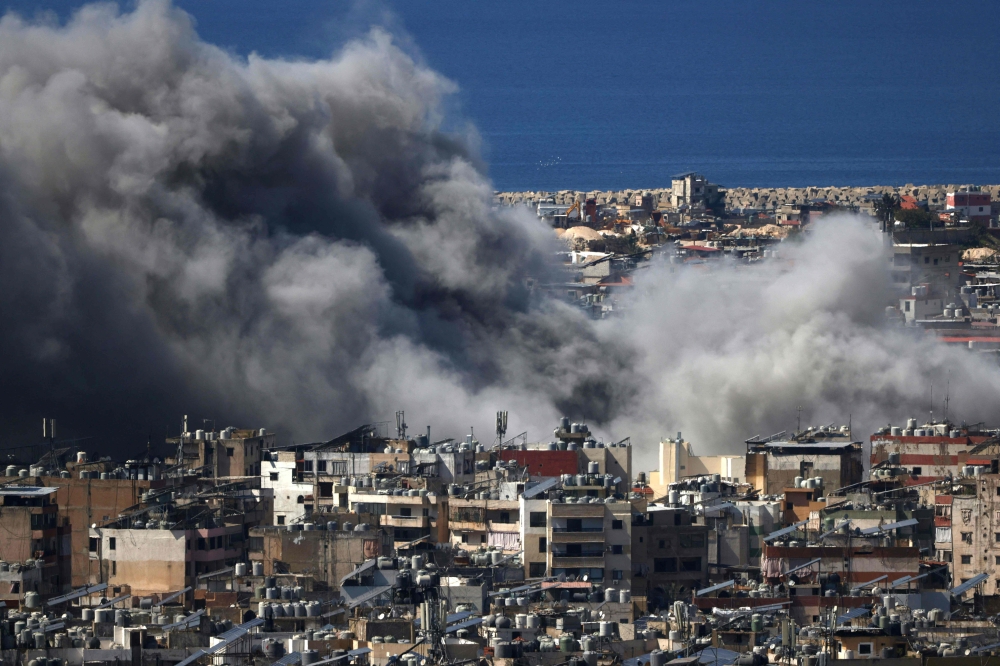




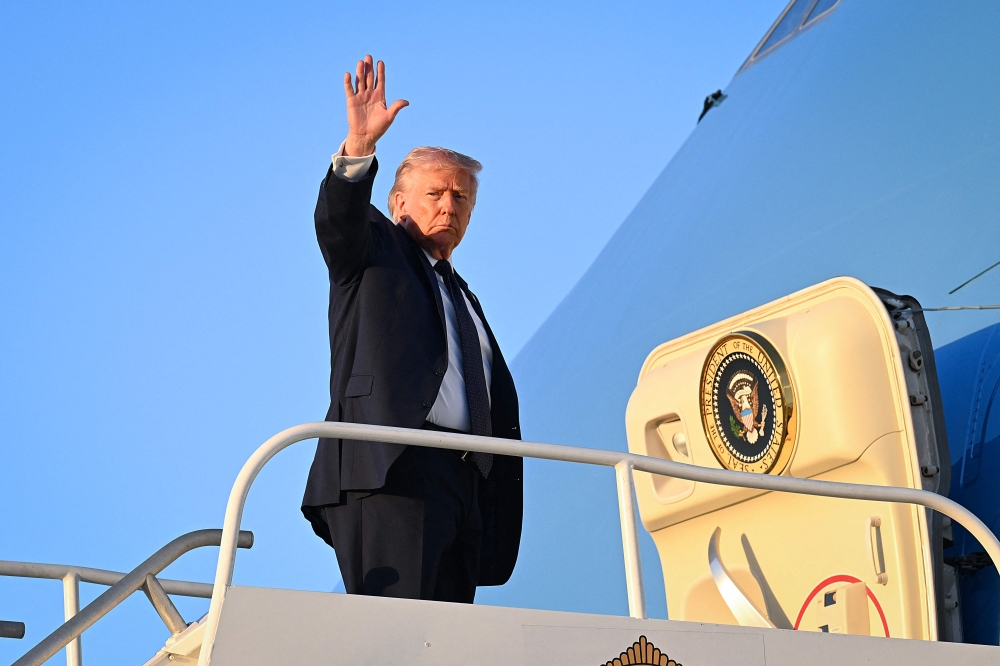


MARCH 10 — President Donald Trump’s declaration that the war in the Gulf is “near complete” does not mean that the world is returning to normal.
Rather, it marks the beginning of a new phase in global politics — one where the fragility of the international order has been laid bare.
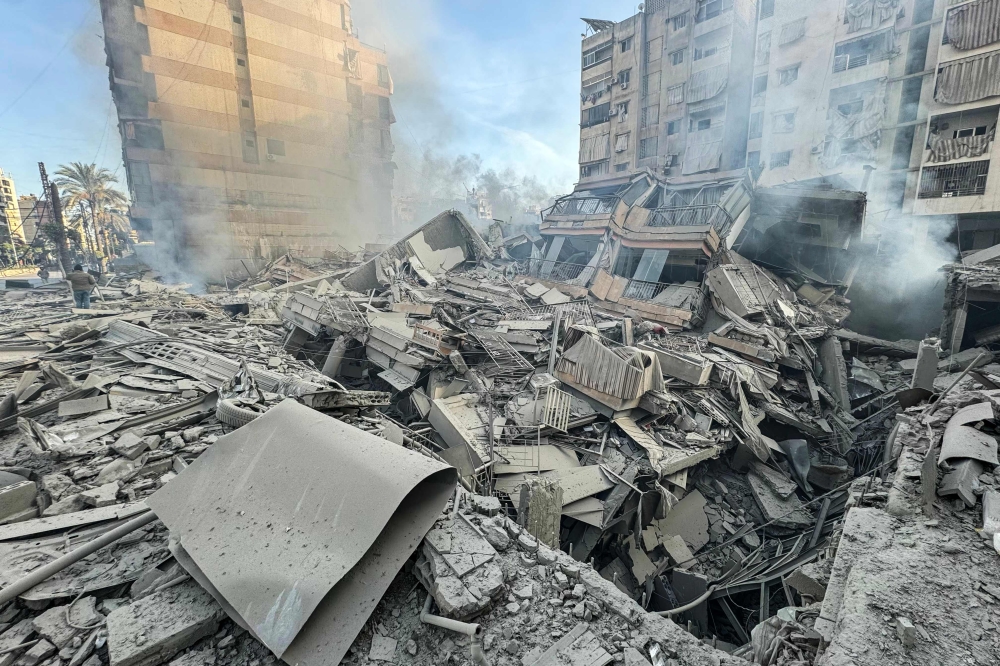
The rapid escalation and expansion of the conflict across the Middle East have shaken the foundations of the rules-based international order that has governed international relations since the end of the Second World War.
Oil markets have been rattled, global inflationary pressures have intensified, and shipping lanes — from the Strait of Hormuz to the Strait of Malacca — have been placed under unprecedented strategic scrutiny.
For South-east Asia, the lesson is immediate and unavoidable: regional stability can no longer be taken for granted. Asean must therefore work more closely with other medium sized powers that share its interest in preserving a stable, rules-based international system. Two of the most natural partners in this endeavour are Australia and Canada.
Described by Prime Minister Mark Carney of Canada as “strategic cousins,” Australia and Canada share remarkable structural similarities that position them as natural collaborators with Asean in shaping a more resilient global order.
Both countries occupy vast continental spaces facing the Pacific Ocean. Both are federal states grounded in common-law traditions and free-market economic systems.
Both are founding members of the United Nations and active participants in multilateral institutions. Most significantly, both countries are deeply embedded within the US-led alliance network while simultaneously maintaining their own diplomatic identities as constructive middle powers.
These similarities are not merely symbolic. They translate into shared policy instincts — particularly in support of international institutions, multilateral diplomacy, and the maintenance of open global trade.
Canada and Australia have long benefited from the rules-based international order that emerged after 1945.
Yet both countries also understand that this order is undergoing a profound transformation.
The rise of great-power rivalry, particularly between the United States and China, has created an increasingly unstable geopolitical landscape in which middle powers must exercise greater strategic initiative.
Asean occupies a comparable position in the international system.
Not unlike Australia and Canada, Asean is composed largely of medium-sized and smaller states that depend heavily on open trade routes, stable supply chains, and a predictable international environment. Asean also craves for rule of law.
The prosperity of South-east Asia rests upon the continued functioning of global commerce—from maritime shipping lanes to energy flows and digital connectivity.
When conflicts such as the Gulf war disrupt these networks, Asean feels the shock almost immediately.
Oil prices have surged above US$100 (RM394) per barrel, pushing inflationary pressures across Asia. When Trump announced the Gulf War is near completion it dropped by US$13 within minutes of the news.
Shipping disruptions in the Strait of Hormuz have reminded policymakers in South-east Asia that global supply chains remain vulnerable to geopolitical upheavals far beyond the region.
In this context, Asean cannot afford to remain passive.
Instead, it must strengthen its partnerships with middle powers that share its commitment to stability and multilateralism.
Australia and Canada are particularly well-suited for this role because they bridge the gap between the Western alliance system and the broader Indo-Pacific region.
Australia, geographically embedded in the Indo-Pacific, already plays a central role in regional security dialogues.
It is a participant in the East Asia Summit and maintains deep defence ties with South-east Asian states through joint exercises, intelligence sharing, and maritime cooperation.
Canada, though geographically distant, has steadily increased its diplomatic and military presence in the Indo-Pacific. Ottawa’s Indo-Pacific Strategy signals a growing recognition that stability in Asia is inseparable from global security.
Together, Australia and Canada represent a form of middle-power diplomacy that aligns closely with Asean’s own strategic philosophy.
Unlike great powers that often pursue dominance, middle powers typically prioritise cooperation, institution-building, and conflict management.
Their strength lies not in coercion but in convening dialogue and reinforcing international norms.
This is precisely the type of diplomacy the world needs as it navigates the uncertain aftermath of the Gulf conflict.
Asean’s long-standing emphasis on dialogue and consensus provides a useful template for such efforts.
Through mechanisms such as the Asean Regional Forum, the East Asia Summit, and the Asean Defence Ministers’ Meeting Plus, South-east Asia has developed a multilayered architecture designed to manage tensions among major powers.
Australia and Canada can reinforce these structures by deepening their engagement with Asean-led institutions.
Such cooperation should not be limited to security affairs alone.
Economic collaboration will be equally important in maintaining global stability.
Both Canada and Australia possess vast natural resources, advanced technological capabilities, and sophisticated financial systems.
Asean, on the other hand, represents one of the most dynamic economic regions in the world, with a combined population exceeding 670 million people and a rapidly expanding middle class.
Closer economic integration between Asean and these two middle powers could strengthen global supply chains and reduce vulnerability to geopolitical shocks.
In particular, cooperation in energy security, critical minerals, and digital infrastructure could provide new foundations for resilience.
Australia’s critical mineral resources are essential for the energy transition and advanced manufacturing industries.
Canada similarly possesses vast reserves of rare earths and energy resources that can help stabilize global markets.
Asean, meanwhile, offers a manufacturing base and strategic maritime location that links the Indian and Pacific Oceans.
Together, these complementary strengths could form the basis of a new middle-power economic network that reinforces global stability.
Yet the significance of Asean-Australia-Canada cooperation, not excluding GCC, goes beyond economics.
At a deeper level, it reflects the evolution of the international system itself.
For much of the twentieth century, global order was shaped primarily by great powers.
The United States and the Soviet Union dominated Cold War geopolitics, while European powers continued to exert influence through institutions such as Nato and the European Union.
Today, however, the distribution of power is becoming more complex.
The world is neither fully multipolar nor strictly dominated by a single hegemon totally.
Instead, it resembles what political scientist Samuel Huntington once described as a “uni-multipolar” system — a structure where one major power remains predominant but must increasingly accommodate the influence of rising states and regional coalitions.
In such an environment, medium sized powers acquire greater strategic importance.
They serve as stabilising forces that can mediate tensions, support international institutions, and prevent great-power competition from spiralling into open conflict.
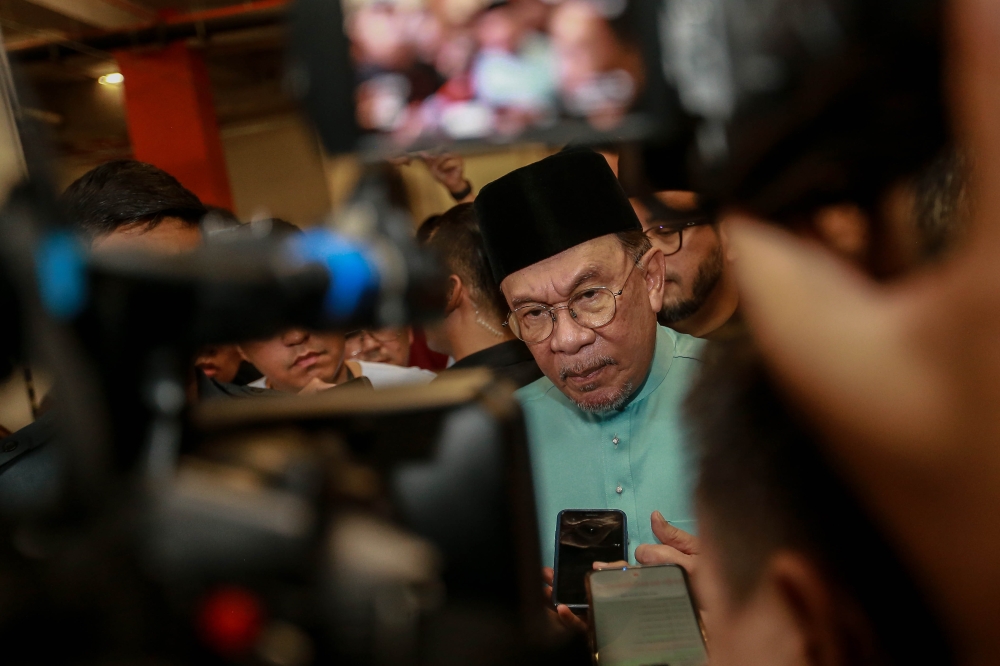
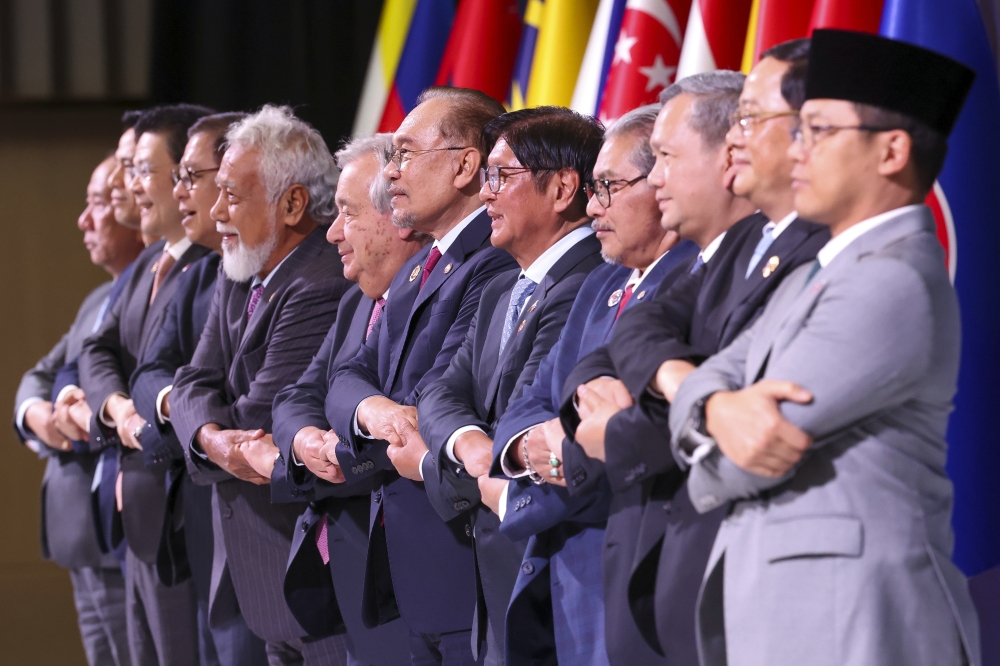
Asean has already demonstrated this role through its doctrine of “Asean centrality,” where the Chair of Asean as demonstrated by the Chairmanship of Prime Minister Datuk Seri Anwar Ibrahim in 2025 is ever in control during the hosting of the Asean and Related Summits.
By convening dialogue among major powers, Asean has helped prevent South-east Asia from becoming a battleground of great-power rivalry.
Australia and Canada, as strategic cousins, can strengthen this stabilising function.
Their deep ties with the United States give them credibility within the Western alliance system, while their commitment to multilateralism enables them to engage constructively with the Global South.
In partnership with Asean, they could form a broader coalition of middle powers dedicated to preserving the core principles of the international order: respect for sovereignty, open trade, peaceful dispute resolution, and adherence to international law.
Trump’s claim that the Gulf war is nearing completion should therefore not be interpreted as the end of a crisis.
Rather, it marks the beginning of a long process of rebuilding confidence in a fractured international system.
The world order that emerged after 1945 cannot simply be restored.
It must be adapted to the realities of the twenty-first century, where power is more diffuse and geopolitical tensions more unpredictable.
In this environment, medium sized powers will play an increasingly vital role. A Coalition of like minded countries.
Asean, Australia, and Canada — linked by geography, shared interests, and a commitment to multilateralism — are well positioned to help shape this emerging order.
Their cooperation may not dominate headlines in the same way as great-power rivalries.
Yet it is precisely this quieter form of diplomacy that may ultimately determine whether the international system descends into chaos or evolves toward a more balanced and resilient equilibrium.
If the Gulf war truly will end soon, it has taught the world that stability cannot be left solely in the hands of great powers.
It must also be sustained by responsible medium sized powers willing to work together in defence of a rules-based world order.
* Phar Kim Beng is professor of Asean Studies and director of the Institute of International and Asean Studies, International Islamic University of Malaysia.
** This is the personal opinion of the writer or publication and does not necessarily represent the views of Malay Mail.