


FEBRUARY 21 — Each year, as Ramadan approaches, a subtle but meaningful shift takes place inside clinics and hospitals across Malaysia.
It is not marked by new equipment or medical breakthroughs, but by a change in the conversations between doctors and patients.
During this period, consultations often extend beyond diagnoses and prescriptions.
Patients arrive not only with symptoms, but with questions shaped by faith, daily routines, and personal priorities.
For healthcare professionals, Ramadan becomes a time when medical care intersects closely with cultural and spiritual life.
In Malaysia, where Ramadan is widely observed, these changes are especially visible. Daily schedules adjust, eating patterns shift dramatically, and sleep routines evolve.
Evenings are marked by breaking fast with family and friends, while early mornings begin before dawn with sahur. These rhythms influence not only lifestyle, but also how individuals manage their health.
For many patients, fasting raises important medical questions. Doctors frequently encounter individuals asking whether they can fast safely while living with conditions such as diabetes, heart disease, kidney disorders, or cancer.
Others seek advice on adjusting medication timing, maintaining hydration, or coping with fatigue during fasting hours.
These questions reflect practical concerns, but they also highlight the personal importance of Ramadan.
For many Muslims, fasting is not simply a physical act but a deeply meaningful spiritual practice and a shared social experience.
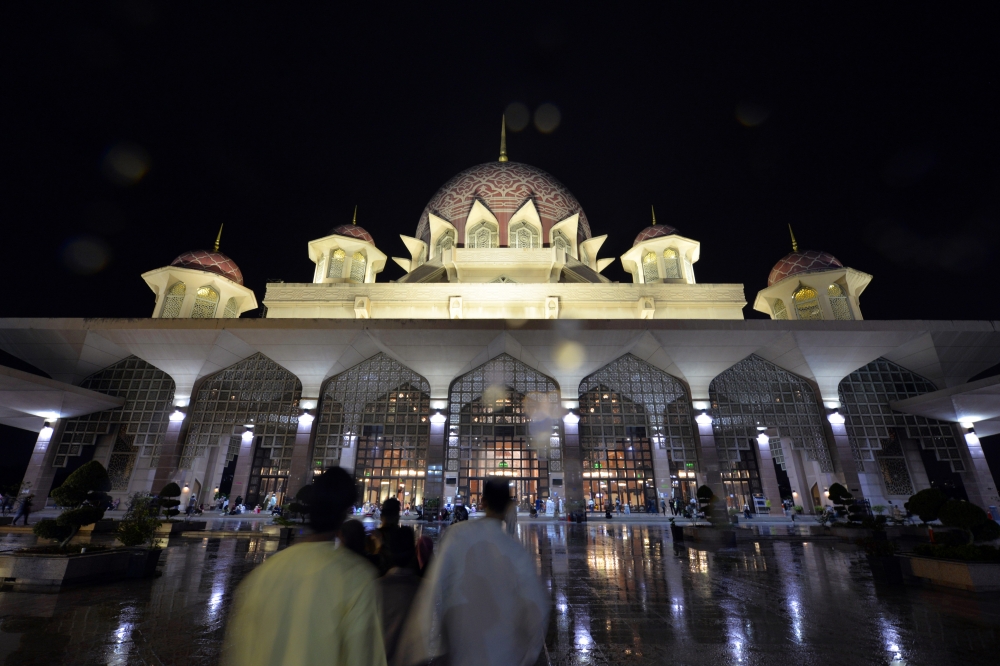
Being able to participate fully in Ramadan can contribute to emotional well-being and a sense of belonging.
This places healthcare professionals in a role that requires both medical expertise and sensitivity to individual circumstances.
Rather than relying solely on general instructions, doctors increasingly adopt a personalised approach. This involves assessing each patient’s medical condition, treatment plan, and overall stability before offering guidance.
In many cases, fasting can be undertaken safely with appropriate preparation.
Medication schedules can often be adjusted to align with pre-dawn and evening meals. Patients may be advised on balanced nutrition during non-fasting hours, adequate fluid intake, and the importance of recognising warning signs such as dizziness, severe fatigue, or unusual symptoms.
At the same time, fasting may not be safe for everyone. Patients with unstable medical conditions or those undergoing intensive treatment may face significant health risks.
In these situations, doctors play an important role in explaining the medical considerations clearly and compassionately.
It is also important to recognise that Islamic teachings provide exemptions for individuals whose health may be harmed by fasting.
Understanding this can help patients make informed decisions without feeling that they are compromising their faith. Healthcare providers also emphasise the importance of preparation before Ramadan begins.
Pre-Ramadan consultations allow patients to review their medications, assess their health status, and receive personalised advice.
This proactive approach helps minimise complications and enables patients to observe the month more safely and confidently.
From a broader perspective, Ramadan can also present opportunities for positive lifestyle adjustments. The structured timing of meals may encourage greater awareness of dietary habits.
Some individuals become more mindful of their food choices, reduce overeating, or improve discipline in their daily routines.
When supported appropriately, these changes can contribute to better long-term health outcomes.
However, clinicians also remain mindful of potential risks. Dehydration, changes in blood sugar levels, and altered sleep patterns can affect vulnerable individuals.
Regular monitoring and clear communication are essential to reduce these risks. These interactions highlight an important aspect of healthcare: the recognition that medical decisions are influenced not only by biological factors, but also by cultural, social, and personal values.
In Malaysia’s diverse society, culturally responsive care plays a key role in building trust between patients and healthcare providers.
When patients feel understood and respected, they are more likely to share concerns openly and follow medical advice.
For healthcare professionals, Ramadan serves as a reminder of the importance of listening carefully and communicating clearly.
It reinforces the idea that effective healthcare involves more than treating illness. It involves understanding the individual, their beliefs, and the context in which they live.
Ultimately, Ramadan does more than change eating patterns or daily routines.
It encourages meaningful dialogue between patients and healthcare providers. These conversations help ensure that individuals can observe the month safely while maintaining their health.
As the fasting month approaches each year, these conversations continue to strengthen the partnership between doctors and patients, a partnership grounded in trust, understanding, and shared responsibility for health.
* Dr Mastura Mohd Sopian is a senior lecturer at the Department of Clinical Medicine, Pusat Kanser Tun Abdullah Ahmad Badawi, Universiti Sains Malaysia (USM) and may be reached at [email protected]
* This is the personal opinion of the writer or publication and does not necessarily represent the views of Malay Mail.


