













NOVEMBER 3 — During the recent Deepavali celebration, I received a phone call that deeply moved me. A young man had been arrested by the police for drug possession and was remanded for three days.
On October 23, 2025, he was brought before the Magistrate’s Court and charged under Section 12(2) — punishable under Section 12(3) — and Section 15 of the Dangerous Drugs Act 1952, which relate to the possession and self-administration of small quantities of drugs for personal use.
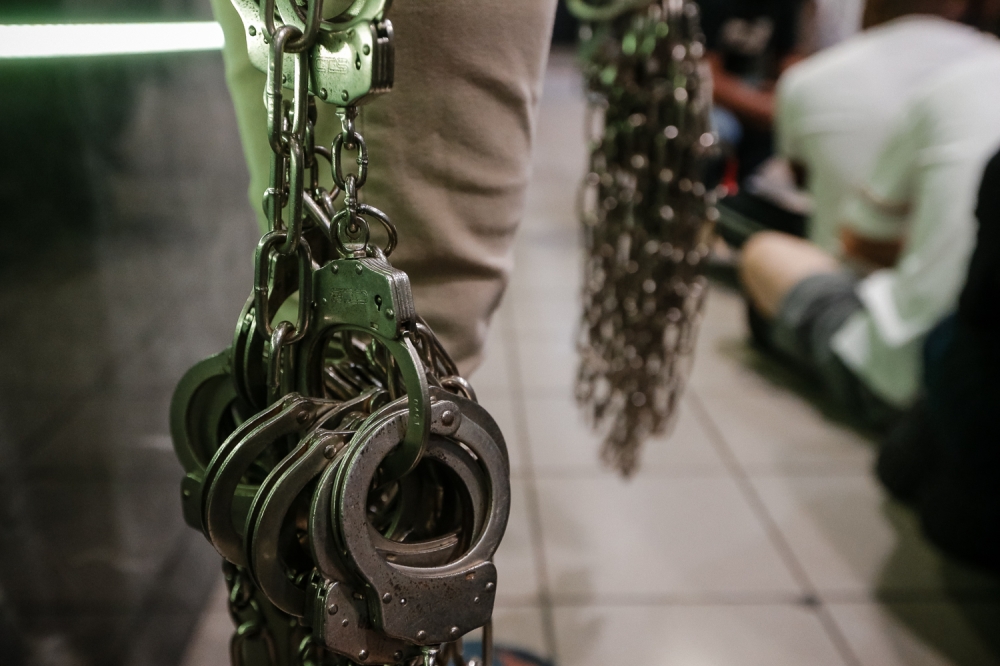
When he was escorted into court in handcuffs, he looked at me with despair and said, “I tried to quit, but I just can’t. This is my third time being brought to court like this.”
His words cut deep. He was not a dangerous criminal — just a young addict trapped in the cycle of addiction. I have seen many young addicts like him before, but this latest case truly broke my heart.
This incident immediately reminded me of my visit to Mauritius earlier this year, in February, where I met an old friend — a retired medical practitioner who now serves as a member of the Drug Users Administrative Panel (DUAP). He took me to visit the DUAP office, which operates within a government hospital. During our discussion, he emphasised that drug addicts are not criminals but patients who need treatment. “The law,” he said, “should aim to heal people, not to destroy them.”
A few days after this latest case, I called my friend again to tell him about the young man who had been charged in court. I suggested that a system like DUAP should be implemented in Malaysia. His response was brief but powerful:
“Of course — in some countries, harsh methods have been proven not to work.”
His words reflected the harsh truth of our situation in Malaysia — that punitive approaches to drug addiction have long failed to address the root of the problem.

In Mauritius, the approach is very different — more humane, more rational, and more effective. When a person is arrested for possessing a small quantity of drugs for personal use, the police still conduct a normal arrest. However, once investigations confirm that the drugs were for personal consumption and not for trafficking, the case is not prosecuted in court. Instead, the individual is referred to the Drug Users Administrative Panel (DUAP) for assessment and treatment.
This panel consists of three members — a medical doctor, a social welfare officer, and a legal officer (retired judge). They are not judges who impose punishment but professionals who evaluate each individual’s level of addiction, social background, and treatment needs.
The process begins with a medical and social evaluation. The doctor assesses the person’s health and level of addiction, while the social welfare officer reviews the family background, employment status, and community support. Family members are also called to give input during the evaluation process to ensure a complete understanding of the addict’s situation.
After the assessment, the panel determines the appropriate course of action. The individual may be referred to a rehabilitation centre, placed under monitoring and regular counselling, or allowed to undergo voluntary treatment. Most importantly, they are not convicted of a criminal offence and have no criminal record, allowing them to reintegrate into society without stigma or barriers to employment.
If a person fails to comply with the treatment plan or repeatedly relapses, the case may be referred back to the court. However, the priority remains treatment and rehabilitation, not punishment. According to my friend who serves on the DUAP, this system has produced remarkable results — lower relapse rates, less overcrowding in prisons, and many former addicts have successfully returned to productive lives. In short, Mauritius now treats addiction as a public health issue, not a criminal one.
135,000 drug addicts in Malaysia — a sign the old system has failed
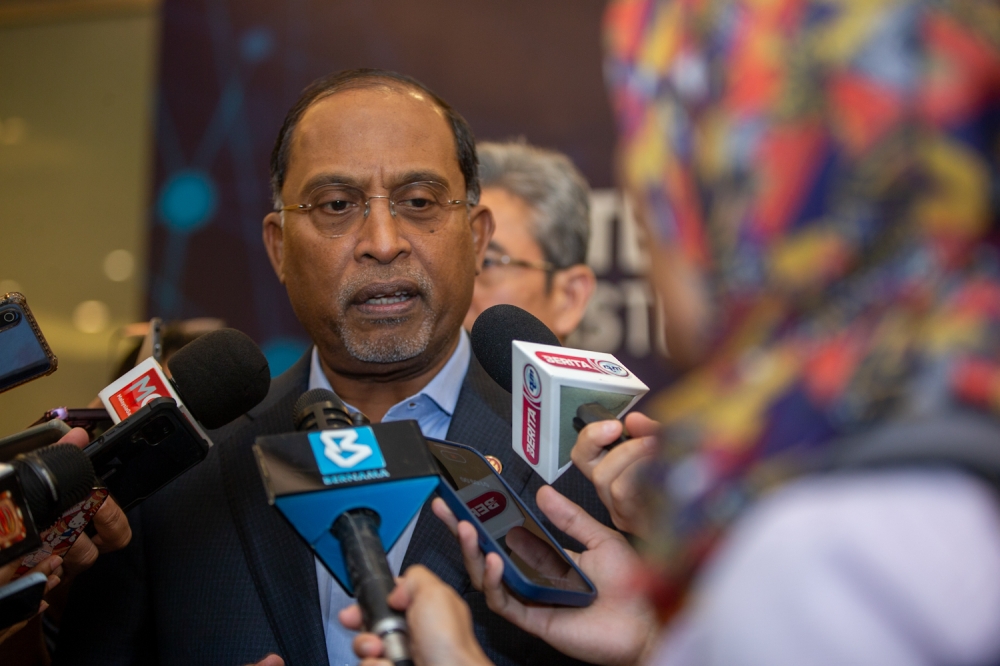
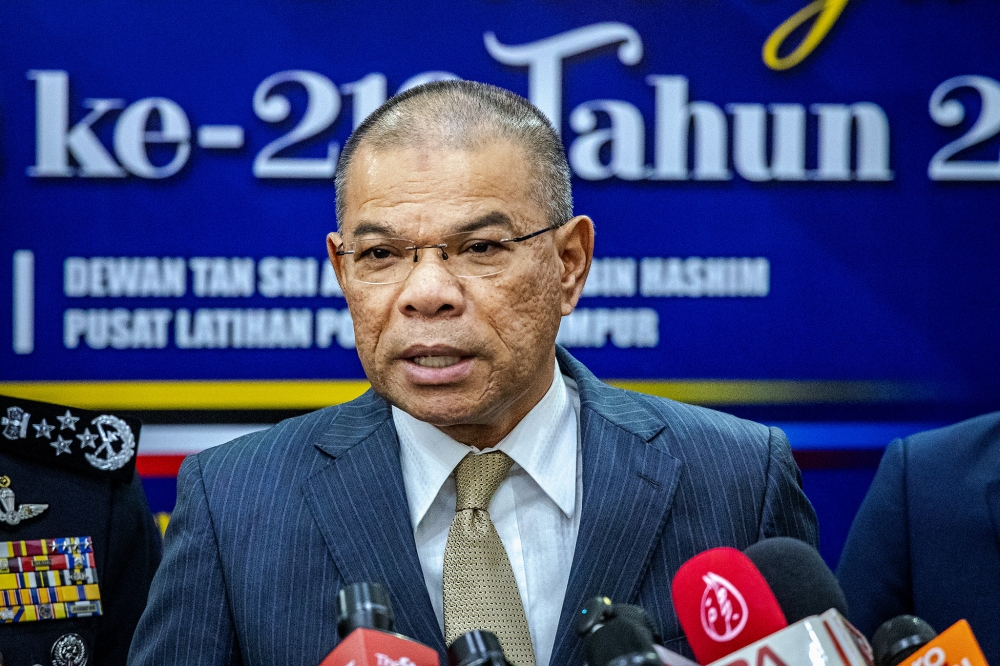
According to Bernama (September 13, 2025), Home Minister Datuk Seri Saifuddin Nasution Ismail revealed that as of June 30, 2025, Malaysia had recorded 135,000 drug addicts. This number is deeply alarming and shows that our current strategy is not working.
Among the states, Kelantan recorded the highest number of cases, followed by Terengganu, Perlis, and Kedah. Even more concerning, most addicts are young people aged 15 to 35 — the most productive age group in society. These are individuals who could be part of Malaysia’s 17 million-strong workforce, yet many are trapped in cycles of addiction, unemployment, and punishment.
The Minister also stated that the government allocates RM400 million annually to the National Anti-Drugs Agency (AADK) to manage 30 rehabilitation centres and 53,000 clients nationwide. Despite this massive allocation and various programmes, the figure of 135,000 addicts shows that a punitive system alone cannot solve the deep-rooted problem of addiction.
Malaysia must reform — towards a more humane and effective approach
Malaysia must now take bold and compassionate reform steps. It is time to establish a Drug Users Administrative Panel (DUAP Malaysia) under the National Anti-Drugs Agency (AADK), in collaboration with the Ministry of Health (MOH) and the Department of Social Welfare. This panel should be empowered to assess, refer, and monitor small-time drug users arrested for personal use — without prosecuting them as criminals.
To make this possible, the government should amend Section 15 of the Dangerous Drugs Act 1952, so that personal drug use is no longer classified as a criminal offence, but as a public health issue requiring treatment. Such an amendment would ensure that small-time users are treated as patients, not criminals — reducing prison overcrowding and easing the burden on the courts.
The benefits to the nation would be immense. This approach reframes addiction from being a moral or criminal issue into a health and social issue. It would reduce arrests and prison congestion, save public resources currently spent on prosecution and enforcement, and help rebuild families torn apart by addiction. Most importantly, it aligns Malaysia with modern, compassionate global practices.
As my friend’s words still echo in my mind: “Harsh methods don’t work.”
We cannot end drug addiction with handcuffs and prison walls. Many young addicts I’ve met — including in this recent case — are not criminals, but patients trapped in desperation.
It is time for Malaysia to move forward — to introduce progressive and compassionate legal reforms. Drug addicts must be treated as patients in need of care, not as criminals deserving punishment.
By establishing DUAP Malaysia, we will not only save lives but also heal families and build a more just, compassionate, and humane society.
* K. Kunasekaran is a practising lawyer.
** This is the personal opinion of the writer or publication and does not necessarily represent the views of Malay Mail.