


NOVEMBER 2 — By now, most Malaysians, particularly journalists, are aware of the verbal clash between Housing and Local Government Minister Nga Kor Ming and a Utusan Malaysia reporter at the recent pre-launch of the ministry’s “I Lite U” project in conjunction with Visit Malaysia 2026.
Nga publicly reprimanded the reporter who had asked why the project was branded in English instead of the national language.
He then explained that it was best to use English at a tourism event to attract international tourists.
Under public pressure, Nga later offered an apology for his outburst and at the same time withdrew his threat to contact the reporter’s chief editors over the question the reporter posed.
Earlier, journalists, particularly their professional fraternities, National Union of Journalists and Gerakan Media Merdeka (Geramm), rightly censured Nga for having exhibited what constitutes arrogance in the face of a journalistic query.
Asking questions, especially inconvenient ones, is one of the key obligations of a journalist. Not to understand this premise may make you look or sound like a clueless person.
Like the minister, the reporter had, at the end of the day, to serve the needs of his newspaper’s constituency, that is, the ordinary people who could be equally inquisitive.
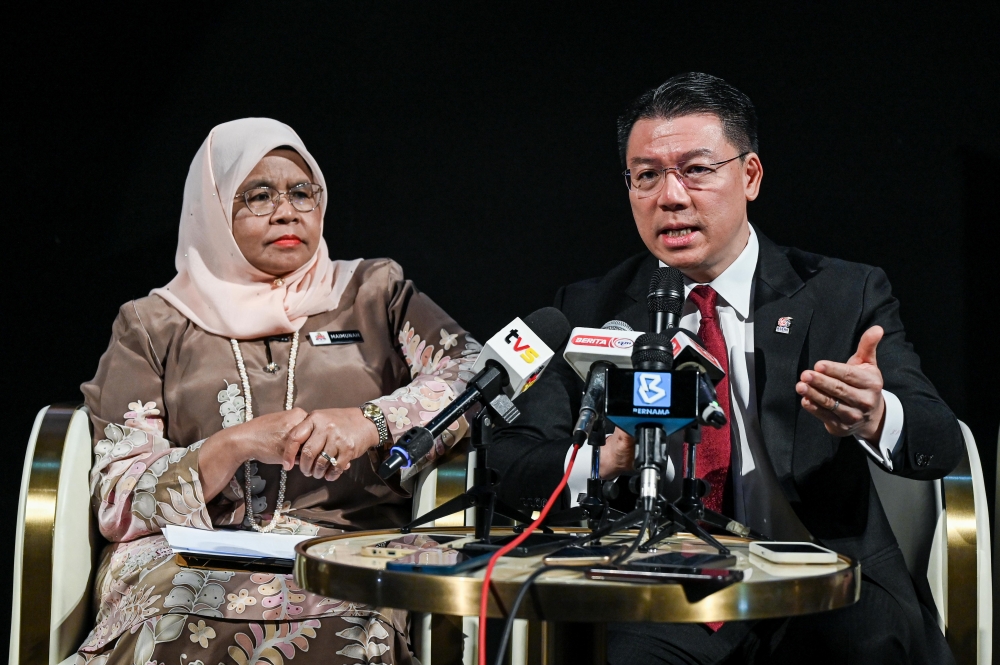
The arrogance that was displayed at the said event also signals an attempt to flex political muscle, which had the effect of curbing press freedom.
The optics was ugly, especially for the Madani government that professes to be an advocate of press freedom.
Incidentally, political arrogance that impacts media freedom manifests in several ways. As intimated above, a politician may browbeat or patronise a questioning or adversarial reporter.
Another way is for the politicians to invite only a few journalists (and in turn, block others), who are considered “friendly”, to attend a media event. Obviously, this is an indirect way of silencing inconvenient queries.
Perhaps the crudest form of political arrogance is the relevant authorities’ revocation or suspension of the publishing permit of a newspaper that is perceived to be too critical of a sitting government.
It is most unfortunate that the very purpose of holding the said media conference was not fully achieved.
The altercation, as rightly pointed out by a few observers, appeared to have sidelined the opportunity to explain what the tourism slogan in English, “I Lite U” really meant. Questions are likely to emerge as to how one lights up another, and with what.
A convincing explanation of this matter is crucial to prevent a possible attempt to make light of the slogan.
Let there be light.
* This is the personal opinion of the writer or publication and does not necessarily represent the views of Malay Mail.


