


OCTOBER 22 — Renowned for its biodiversity, Malaysia is a hotspot for freshwater fish with numerous endemic species inhabiting its richly varied aquatic environments.
These species are vital indicators of environmental health but they often go unnoticed by the public.
Zoo Negara plays a quiet but crucial role in the conservation of these lesser-known animals.
When people think of Zoo Negara what often comes to mind are the iconic Malayan tigers, majestic Asian elephants and playful sun bears.
These charismatic land mammals have long captured public attention, drawing crowds and headlines alike.
Yet, hidden away from the spotlight in serene tanks and shaded ponds lies one of the zoo’s most overlooked and underappreciated treasures where its diverse and fascinating collection of freshwater fish live, many of which are listed as threatened, endangered and in some cases even critically endangered.
Through its aquatic exhibits, the zoo safeguards some of Malaysia’s rarest fish while also providing a valuable platform for public education and awareness.
Sadly, this work remains largely under the radar as many visitors pass through the zoo without ever realising the extraordinary biodiversity housed in its aquatic section.
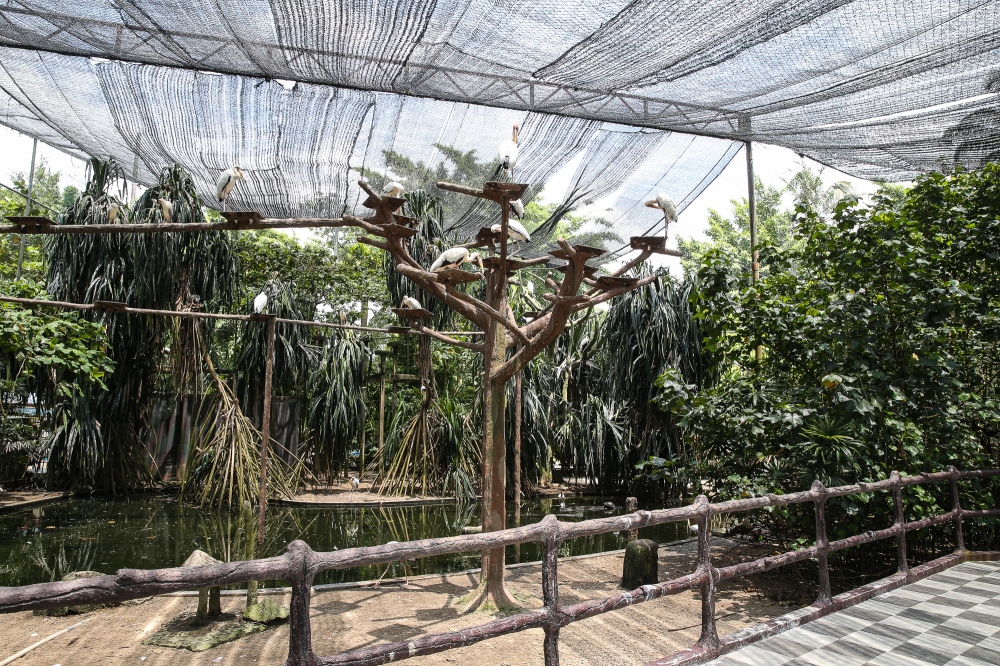
Zoo Negara is home to far more than just its iconic land mammals. Its aquatic section features fish species that are native to Malaysia’s rivers, swamps and highland streams with some of which are so rare they no longer exist in the wild.
These species represent more than just biological curiosity. They are critical components of the ecosystems they inhabit.
Freshwater fish help regulate aquatic food chains, maintain water quality and provide sustenance and livelihood to countless local communities.
They also hold deep cultural significance and appeared in several folklore, religious rituals and traditional diets across Malaysia’s diverse ethnic groups.
Despite their importance, these fish face a growing list of threats. Pollution from agriculture and industry degrades their habitats while deforestation and urban development have led to the loss of the peat swamps and river systems that many species depend on. Furthermore, damming and waterway modification also disrupt natural migration patterns while overfishing continues to decimate the wild populations.
In contrast to more well-known species like tigers, elephants or rhinos, freshwater fish receive very little public or institutional attention.
Conservation funding, research and media coverage remain disproportionately mostly focused on terrestrial species only.
In this context, Zoo Negara stands out as one of the few institutions in Malaysia actively working to protect these endangered aquatic species.
Its collection includes native species that are rarely seen elsewhere which offers a unique opportunity for Malaysians and especially younger generations to appreciate and understand the aquatic life that is part of their natural heritage.
Zoo Negara is home to several species of freshwater fish that are currently listed by the International Union for Conservation of Nature (IUCN) as near threatened, vulnerable, endangered or critically endangered.
These classifications reflect the increasing pressures facing aquatic species in Malaysia and across Southeast Asia which are mostly disappearing quietly without public notice.
Among the ‘near threatened’ species is Sphaerichthys osphromenoides or more commonly known as the Chocolate Gourami.
This small, delicate fish inhabits peat swamp forests where its survival is threatened by deforestation and water pollution.
Another species in this category is Channa pleurophthalma or the Ocellated Snakehead and known locally as Haruan Palas. Recognised by the striking eyespot markings along its body, this predator is under pressure from habitat loss and excessive fishing. Also listed as Near Threatened is the Cyprinus carpio or Common Carp.
Although this species is widely kept in ornamental ponds, wild populations are at risk due to habitat degradation and the uncontrolled mixing of genetic lines through hybridisation.
The ‘vulnerable’ category includes species such as Horabagrus brachysoma also known as the Golden Catfish or Bulu Emas. It is native to freshwater rivers and faces threats from declining river health, pollution and dam construction that fragments its natural habitat.
Another species under similar pressure is Oreochromis mossambicus, the Mozambique Tilapia.
While commonly farmed for aquaculture, its wild populations are rapidly decreasing due to pollution, invasive species competition and genetic contamination from farm-bred hybrids.
Moving into the ‘endangered’ category, we find the Poropuntius deauratus or Gold-finned Barb.
This species was once common in Malaysia’s clean rivers and streams but is now declining due to sedimentation and waterway pollution from land clearing and agriculture.
Another notable species is Osphronemus laticlavius, the Giant Red Fin Gourami or Kaloi which is endemic to Peninsular Malaysia. This strikingly large fish is increasingly rare in the wild primarily due to habitat encroachment and overharvesting for the ornamental fish trade.
Also endangered are several native fighting fish species including Betta livida which can be found in Peninsular Malaysia and Betta chini which is endemic in Sabah, the only region in Malaysia where this species can be found.
These small but vibrant fish depend on acidic blackwater peat swamps that are rapidly being drained and cleared for development.
Two more endangered species are Scleropages legendrei and Scleropages formosus, commonly known as Asian Arowanas or Kelisa.
Highly sought after in the aquarium market for their beauty and cultural symbolism, these fish face extinction in the wild due to illegal poaching and the destruction of their natural habitats.
The ‘critically endangered’ category includes some of the most vulnerable freshwater fish in Southeast Asia.
One such species is Epalzeorhynchos bicolor known as the Red-Tailed Black Shark or Laga Ekor Merah.
Once native to Southeast Asian rivers, this species is now rarely seen in the wild having suffered from severe habitat destruction. Another is Probarbus jullieni or Jullien’s Golden Carp known locally as Temoleh.
This culturally significant fish was once found in abundance in Malaysia’s major river systems is now critically endangered due to overfishing and the construction of dams that block its migratory routes.
Also in dire straits is Parasphromenus alfredi or Alfred’s Licorice Gourami.
Endemic to the peat swamp forests of Johor, this tiny and jewel-like fish is highly vulnerable to the ongoing destruction of its specialised habitat.
Finally, Pangasius sanitwongsei known as the Giant Pangasius Catfish or Patin Harimau is one of Asia’s largest freshwater fish and now one of its most endangered.
Once widespread in the Mekong and Chao Phraya River basins, its population has crashed due to damming, habitat fragmentation and overharvesting.
In addition to these threatened and endangered species, Zoo Negara also features several native fish species that are not currently endangered but are equally important in representing Malaysia’s freshwater biodiversity.
These include Wallago leerii or Tapah, a large predatory catfish native to Sarawak and Peninsular Malaysia, and Hampala macrolepidota or Sebarau, a strong-swimming species popular among local anglers in Sabah.
Other native fish on display include Luciosoma pellegrini, a streamlined fish from Sabah’s rivers and Puntius gonionotus known locally as Lampam Jawa which is a cyprinid common in Sarawak.
Moreover, visitors can also spot Rasbora cephalotaenia that can only be found in clean forest streams in Peninsular Malaysia as well as several species of Pangasius or Patin which are culturally and economically significant across the country.
Freshwater fish may not roar like tigers, swing through trees like orangutans or play like chimpanzees but they are no less vital to our ecosystems and cultural heritage.
These species serve critical roles in maintaining ecological balance such as controlling mosquito larvae, cycling nutrients and serving as prey and predators in aquatic food chains.
Culturally, many species like the Temoleh and Patin are deeply rooted in traditional Malaysian cuisine and community identity particularly among riverine and indigenous populations.
Their presence is not just an ecological necessity but also a reflection of the health and resilience of our rivers, swamps and wetlands.
Zoo Negara plays a vital role in educating the public about these often-overlooked animals. Its fish exhibits are more than just displays.
They are conservation tools that provide a safe haven for threatened species and a space for breeding and research.
They also serve as a window into the rich but fragile world of Malaysia’s freshwater ecosystems.
However, without public interest and awareness, the efforts of conservation institutions like Zoo Negara may not be enough. Many visitors walk past these exhibits without realising the global and local significance of the species behind the glass.
Raising awareness is the first step in changing that.
We can start by encouraging people to take a closer look at the aquatic section during their visit.
Learning the names, habitats and threats faced by these species helps build a connection that can translate into conservation action. Supporting river and peat swamp protection, avoiding illegal or unregulated aquarium trade and simply sharing this knowledge with friends and family all contribute to a larger effort to protect Malaysia’s freshwater biodiversity.
The fight to save Malaysia’s freshwater fish does not require grand gestures.
It begins with noticing them, learning about them and caring enough to act.
In every pond and tank at Zoo Negara, there is a story of survival, resilience and hope.
These silent swimmers are part of our natural heritage and their continued existence depends on whether we choose to see them before they are gone for good.
* This is the personal opinion of the writer or publication and does not necessarily represent the views of Malay Mail.


