


SEPTEMBER 5 — The recent dog attack on a six-year-old boy in Cheras is a reminder Malaysians can no longer ignore. What remains unclear is whether the dog was a stray or had an owner. If the dog was owned, the case highlights the urgent need for responsible pet ownership, including proper supervision and control. If it was a stray, it underlines the ongoing weaknesses in managing free-roaming dogs in our communities. In either case, human lives, especially children and the elderly, must never be put at risk.
This year alone, several disturbing incidents have shaken communities. In Sabah, an elderly woman was killed by a pack of stray dogs at a bus terminal. In Kedah, two Rottweilers escaped from a compound and injured five people, including an international student. In Terengganu, a mother was bitten while shielding her toddler, and in Selangor, a 19-month-old toddler was mauled to death near his home. These are not isolated cases. They reveal deep weaknesses in how Malaysia manages public spaces and, more importantly, how animal ownership and responsibility are enforced.
A growing public health and safety burden
Between 2017 and 2020, Malaysia recorded more than 71,000 animal bite cases. This averages about 17,700 cases each year. Many involved dogs and required urgent rabies vaccinations, especially in high-risk states such as Sarawak. Beyond rabies, bites cause trauma, fear and a loss of safety in daily life.
When parents hesitate to let their children play outdoors, or when seniors are afraid to walk to the market, the social impact of poor animal management becomes clear.
Pet owners must be held accountable
If the Cheras dog had an owner, the incident shows how negligence can endanger lives. Allowing dogs to roam freely, failing to secure compounds, and ignoring licensing requirements can all lead to tragedy. Malaysia has clear laws under the Animal Welfare Act 2015, which imposes a duty of care on owners, including proper housing, supervision and prevention of harm to others. The Local Government Act 1976 also empowers councils to regulate dog licensing and control. However, these laws mean little if they are not effectively enforced. Owners who fail in their responsibility must face firm penalties, not only to deliver justice to victims but also to deter others.
Stray management remains critical
If the dog was indeed a stray, the case highlights another side of the problem. Stray populations continue to pose risks in many parts of the country. Malaysia’s most common response is Trap-Neuter-Return (TNR), where dogs are sterilised, vaccinated and released back to the streets. While humane, this does not address safety concerns as dogs continue to roam. Trap-Neuter-Return-Manage (TNRM) adds monitoring but struggles with poor funding and weak enforcement. The Department of Veterinary Services (DVS) has admitted these programmes only succeed with active community and local council support.
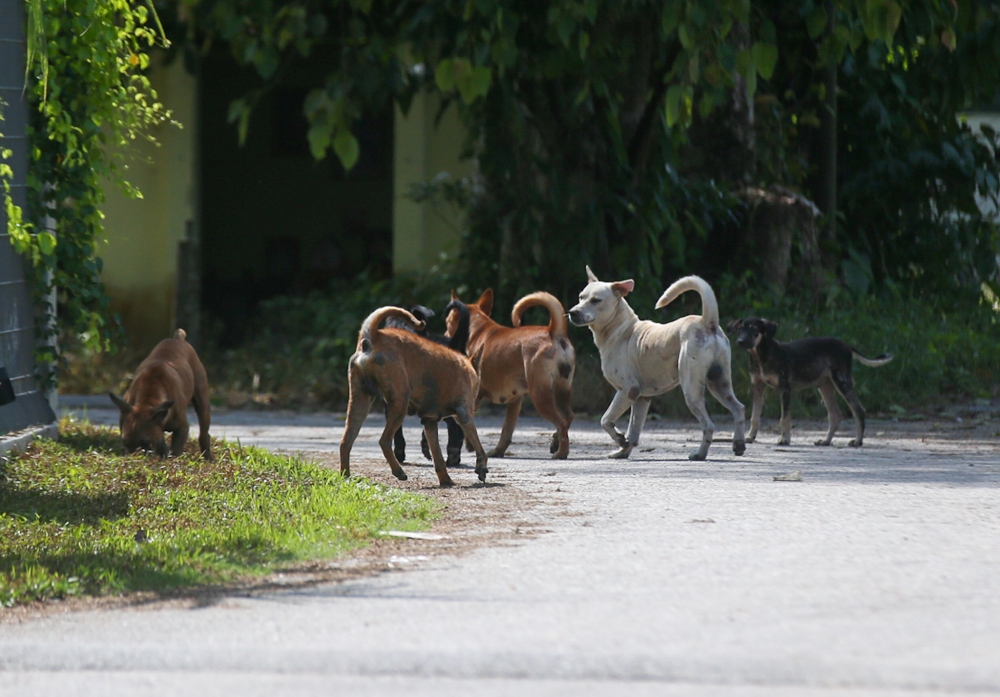
An alternative option is Trap-Neuter-Shelter-Adopt (TNSA), which places sterilised and vaccinated dogs in shelters for rehoming. This model offers better protection to the public, but requires resources and proper facilities.
The Malaysia Animal Association (MAA) has stressed that public safety must come first. In its statement, the association called TNSA a balanced way to protect communities while ensuring animal welfare.
Laws, education and shared responsibility
Malaysia has the laws. The problem lies in weak enforcement and poor compliance by some owners, combined with the persistent issue of strays. Councils must tighten licensing, ensure responsible ownership and take swift action against negligence. At the same time, education is crucial. Abandonment and neglect feed the stray population. Schools, community campaigns and even religious institutions can help instil values of responsible pet ownership.
A call for a national strategy
The question is no longer whether Malaysia cares about animals. The real issue is whether we care enough about people to act decisively. Each new case, whether involving strays or owned dogs, erodes public confidence in our ability to keep communities safe.
Malaysia urgently needs a coherent national strategy that combines stray management with stricter enforcement of owner responsibility. This should bring together the Ministry of Local Government Development, DVS, local councils, NGOs and veterinary experts. Funding should go to trained dog-catching teams, mobile vet services and proper shelters. Equally important is a clear system to hold pet owners accountable when their negligence endangers others.
Conclusion
Dogs are not naturally violent. Strays suffer because of neglect, and pets can become dangerous when owners fail in their duty of care. The attack on the boy in Cheras is a wake-up call. Every day without decisive action leaves more lives at risk.
Malaysia must now decide, to continue with piecemeal responses or finally act with compassion, responsibility and seriousness. The answer should be clear. Public safety and animal welfare can coexist, but only if we manage strays effectively and hold pet owners fully accountable.
* Arif Fahmi Md Yusof is an associate professor at the Faculty of Syariah and Law, Universiti Sains Islam Malaysia (USIM), with an interest in animal law and public policy.
** This is the personal opinion of the writer or publication and does not necessarily represent the views of Malay Mail.


