










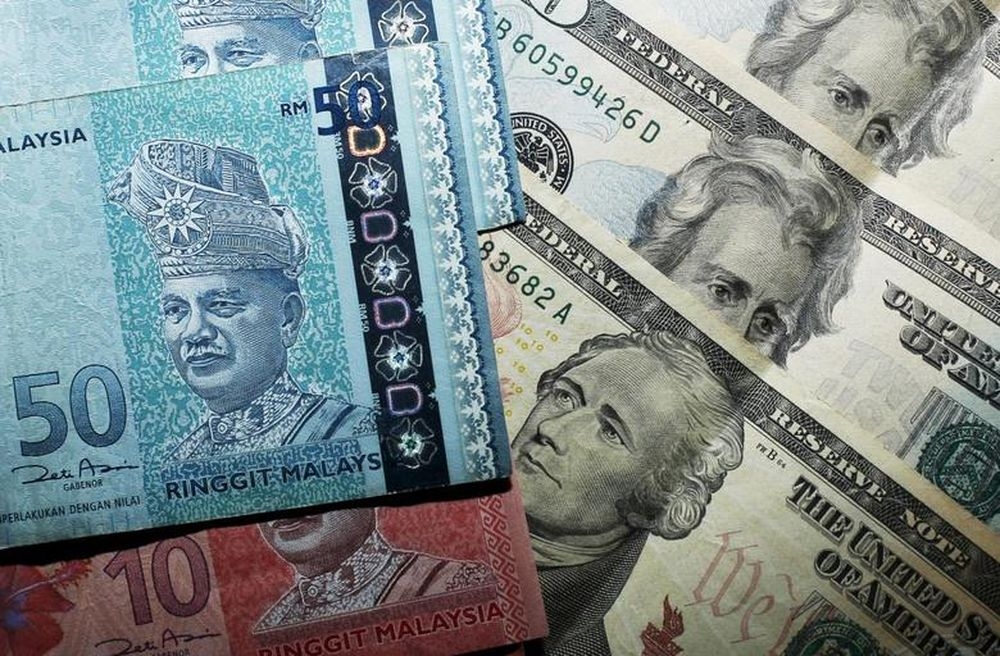
KUALA LUMPUR, March 27 — The ringgit opened higher for the fourth consecutive day as the Malaysian government adopts a pragmatic approach to fuel subsidies by balancing between fiscal discipline and cost-of-living concerns amid West Asia tensions.
At 8 am, the local currency strengthened to 3.9855/4.0050 against the greenback from Thursday’s close of 3.9920/9955.
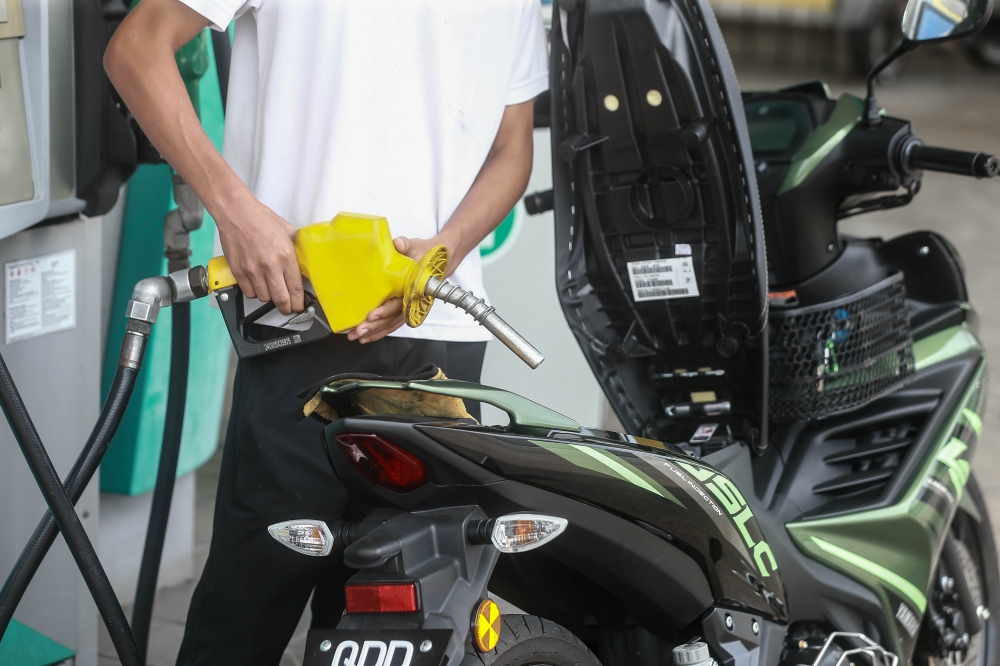
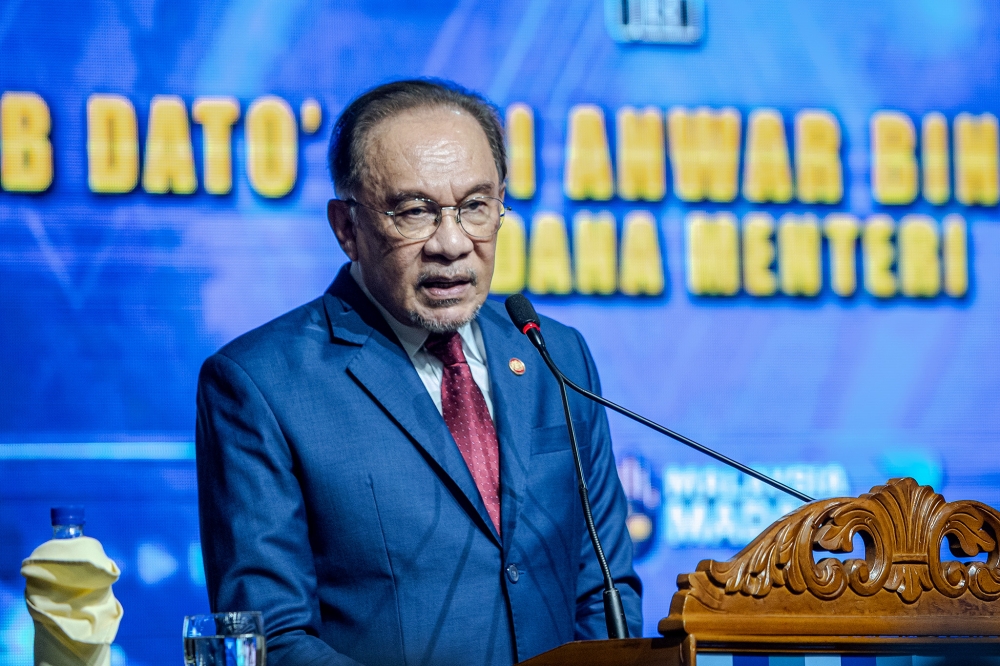
In a special address yesterday, Prime Minister Datuk Seri Anwar Ibrahim announced that, effective April 1, the individual monthly limit for the purchase of BUDI95 will be temporarily adjusted to 200 litres per month from 300 litres per month previously, due to the ongoing conflict in West Asia.
A majority of the people are not affected by the quota reduction, as consumers on average use about 100 litres per month and nearly 90 per cent consume less than 200 litres per month.
Anwar also noted that Iran has allowed Malaysian oil tankers to pass through the Strait of Hormuz.
Bank Muamalat Malaysia Bhd chief economist Mohd Afzanizam Abdul Rashid said the move reflects the government’s effort to strike the right balance between maintaining fiscal discipline and minimising the impact on households, even as geopolitical uncertainties continue to weigh on global markets.
“This should be positive for the ringgit as the government is cognisant of the ripple effect from the war in Iran and provides a timely response,” he told Bernama.
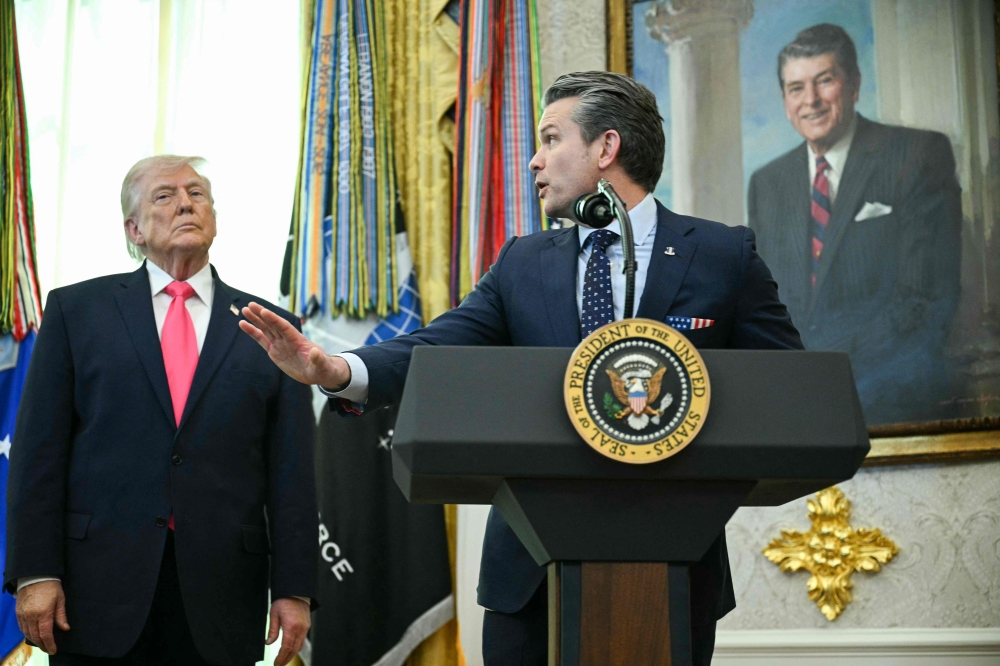
Meanwhile, SPI Asset Management managing partner Stephen Innes said President Donald Trump’s 10-day extension on potential strikes against Iranian energy infrastructure—effectively a temporary ceasefire window—took some of the sharp edge off the greenback’s safe haven rally.
“The extension has acted more as a pressure release than a true reversal. That said, market traders are likely to adopt a defensive posture, leaning long US dollars into the weekend given the ongoing risk of escalation once that window closes,” he said.
Meanwhile, the ringgit opened stronger against a basket of other major currencies.
It rose versus the Japanese yen to 2.4951/5077 from 2.5025/5049 at Thursday’s close, increased against the British pound to 5.3143/3403 from 5.3301/3348 yesterday and climbed vis-à-vis the euro to 4.5969/6194 from 4.6140/6180 previously.
The local currency also traded higher against ASEAN currencies.
It appreciated versus the Singapore dollar to 3.0994/1148 from 3.1102/1132 on Thursday, gained versus the Thai baht to 12.0868/1566 from 12.1529/1695 yesterday, edged up vis-a-vis the Indonesian rupiah to 235.7/237.0 from 236.1/236.4 at the previous close and inched up against the Philippine peso to 6.61/6.65 from 6.62/6.63 previously.