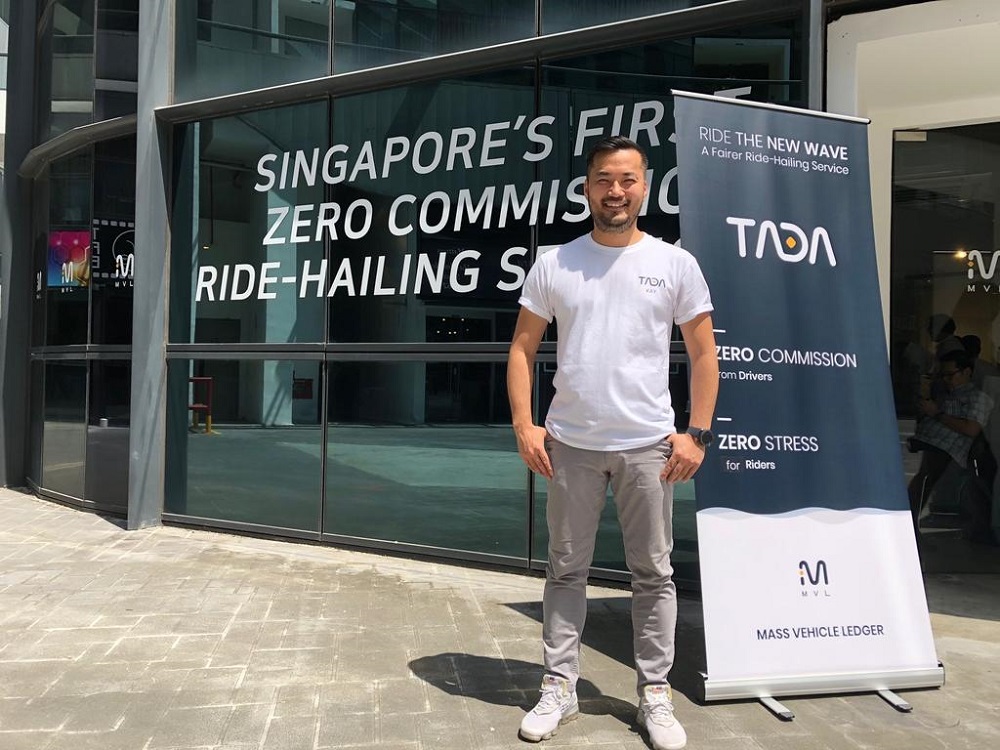


SINGAPORE, July 27 — The latest entrant to Singapore’s ride-hailing industry launched its mobile application yesterday with more than 3,500 drivers on board — some of whom are with rival Grab and looking for a means to prop up their incomes.
The entry of Tada, which does not take a cut from its drivers and promises lower fares during peak hours, comes amid gripes about Grab’s lower incentives for drivers and the dearth of promotional codes for passengers since it took over the regional business of Uber four months ago.
Kay Woo, the founder of MVL Foundation — which operates Tada — said that the company is aiming to get over 10,000 drivers on board in the longer term.
It also wants to get taxi drivers in the mix and has applied to the Land Transport Authority for a taxi-service platform licence. It is working with a taxi operator here, said Woo, 38, but he declined to identify which company.
Woo, who is South Korean, said Tada hopes to draw 60,000 riders to its platform.
Unlike Grab — which levies a 20-per-cent commission fee on its private-hire car drivers — Tada does not take a cut from its drivers. It charges a transaction fee of between 3.4 per cent and 5 per cent on credit-card payments, which goes to the payment gateway Stripe.
Grab drivers told TODAY they signed up with Tada to try out its no-commission model.
James Leong, 37, who has been driving with Grab for about a year, said he is planning to drive solely for Tada if viable.
“For a driver, it would be much more profitable for us at least… It’s a new platform (and) we won’t know if it’s much better or not, so might as well just give it a shot,” said Leong.
He pays an average of S$2,000 (RM5,960) a month in commission to Grab. “I have pretty much slowed down on my driving with Grab and I’ve been focusing more on MVL.”
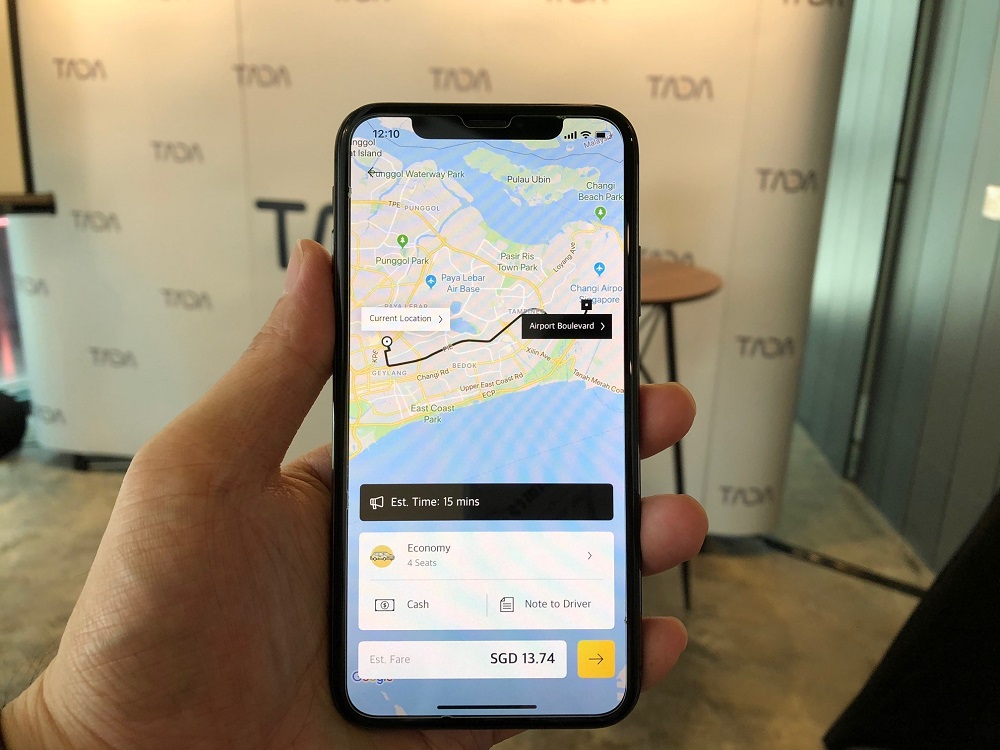
Although the number of bookings through Tada will take time to grow, Leong said: “It’s normal. When Grab first came in, that was the same thing.”
Fellow Grab driver Lee Seng Leong, 54, pays up to S$2,000 in commission per month to Grab. Since the ride-hailing giant scaled back its incentives for drivers earlier this year, he has had to spend between 12 and 14 hours on the road daily from Monday to Saturday, and drives at night on Sundays. He previously drove 10 hours a day.
“I am hoping it will give me fewer hours of work and more earnings,” said Lee.
Other Grab drivers such as Chris Koh, 51, and Rennu Mahajan, 57, are also mulling over signing up with Tada.
Responding to TODAY’s queries, Grab reiterated that drivers, as self-employed individuals, should be given the choice and flexibility to join all platforms.
India’s Jugnoo, which launched its ride-hailing service here in May, also does not charge its drivers a commission, but said it had plans to eventually levy a 10-per-cent fee after six months.
Its chief executive Samar Singla told TODAY that “looking at the competition, we might extend the no-commission plan for a year”.
Another ride-hailing player, Ryde, levies a 10 per cent commission fee on its drivers.
Tada hopes to make money from blockchain
Tada’s S$2.30 base fare for riders is 20 cents lower than that of JustGrab (S$2.50), which is Grab’s fixed-fare service that is subject to dynamic pricing, where fares go up when demand rises.
The firm is in the process “adjusting” its rate per kilometre travelled, said Woo.
Tada will not adopt dynamic pricing during rush hour, but will impose a surcharge to be determined between 7am and 10am, and 5pm and 8pm.
Woo observed that fares on rival platforms can surge up to five times the regular amount during periods of high demand. Its fares will be “50 per cent of that”, said Woo.
But Tada’s fares may be higher during off-peak hours, since its rivals’ prices are “very low”, he said.
One of the ways in which the company plans to make money is through data.
Its blockchain system will gather data on its users, such as driving speeds and traffic records, as well as on vehicles’ repair history.
With users’ consent where relevant, the company hopes to sell the data to third parties such as autonomous driving research laboratories and insurers.
Tada could also tie up with rental and insurance companies and offer their services — such as car insurance — to the platform’s customers and drivers, receiving a fee for being an agent.
There are “multiple, different business models” that can be explored with blockchain technology, and Woo said the company was not seeking profits. Part of its revenue will defray operational costs, such as the wages of staff members and founders, with the rest distributed to drivers and customers in incentives.
The company, which has plans to expand to Vietnam in October or November and to South Korea next year, has raised about US$16 million (RM65 in funding, said Woo. — TODAY