


KUALA LUMPUR, March 27 — With a potentially record-breaking El Niño phenomenon looming, nearly a quarter of Malaysia’s dams, particularly in the northern and southern states, are already reporting cautionary low water levels, prompting urgent calls for nationwide water conservation efforts.
Experts are warning that the current stress on water resources, driven by a prolonged hot and dry spell, could escalate into a significant water security challenge when the El Niño event is expected to hit in the coming months, The Straits Times reported.
Water levels below 70 per cent capacity are classified as “cautionary.”
Currently, 10 of the country’s 43 dams have fallen to this level, with the situation most critical in Kedah, where the Muda Dam has plunged to just 7.47 per cent of its normal capacity.
Charles Santiago, a water governance advocate and former member of parliament, said the government must act immediately to communicate the risk to the public.
“The government needs to be clear with people that they are heading into a problem and come up with a plan to conserve water,” he tsaid.
“It needs to happen now; otherwise, it will be too late.”
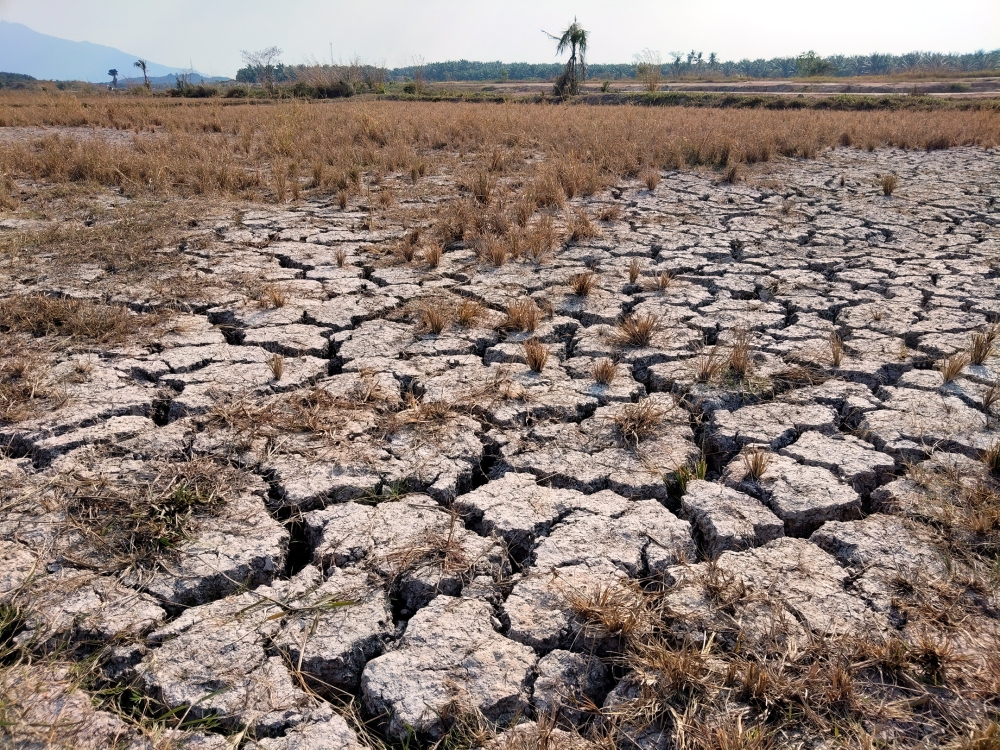
The alert comes as northern states like Perlis, Kedah, and Perak endure a heatwave, with some districts recording sustained temperatures between 37°C and 40°C.
The impact is most visible in the Muda river basin, the nation’s “rice bowl”, where photos show receding water lines and parched earth.
Dr Chong Khai Lin, an expert in disaster management at Universiti Utara Malaysia, described the situation in Kedah as a “canary in a coal mine” for the rest of the country.
“The real risk is not a single dry region, but the possibility of multiple regions experiencing reduced rainfall at the same time,” she said.
“This is how a manageable situation can escalate into a broader water security challenge.”
Climate scientists have forecast a high probability of El Niño conditions developing between July and August, potentially making 2026 the hottest year on record.
The dry weather is already having severe consequences.
The Fire and Rescue Department reported it is now responding to over 400 open fires daily nationwide, four times the usual rate, with major blazes already destroying 400 hectares of forest and plantation land in Johor and Pahang.


