


KUALA LUMPUR, Dec 24 — Twelve high-value paintings linked to the 1Malaysia Development Berhad (1MDB) scandal, estimated at around US$30 million (RM140 million), will be repatriated to Malaysia and may be exhibited to the public at the National Art Gallery (Balai Seni Negara, BSN) once they arrive in the country.
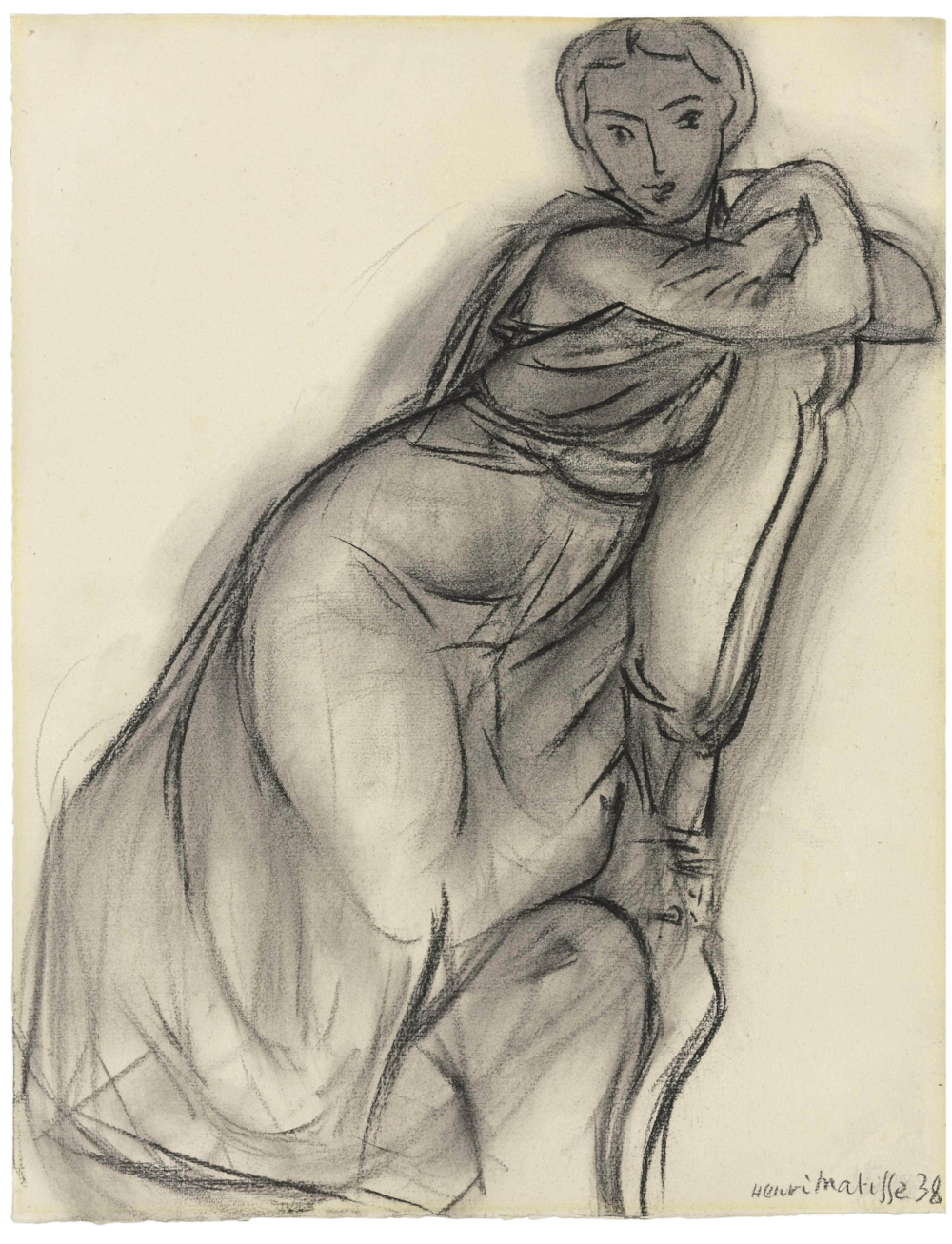
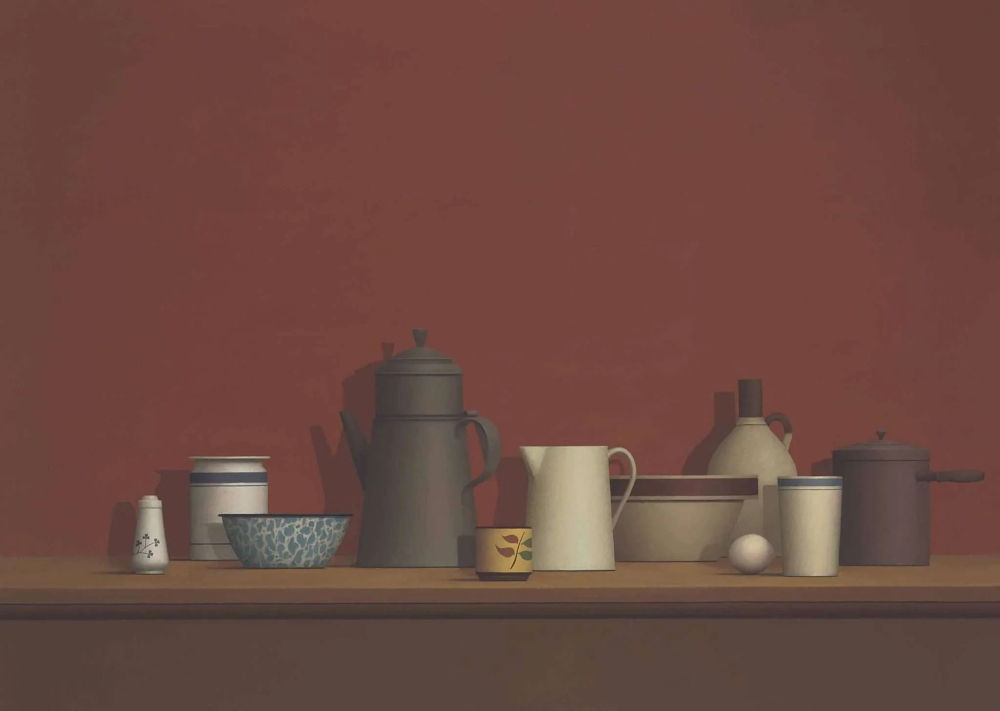
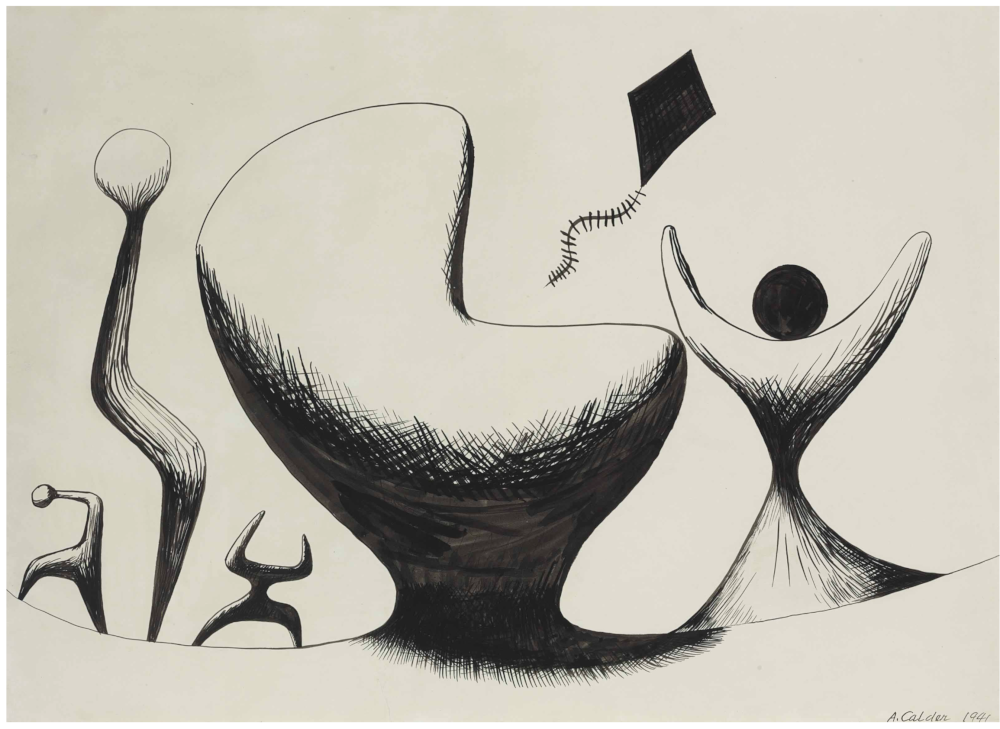
The artworks, created by world-renowned artists including Pablo Picasso, Henri Matisse, Alexander Calder, Balthus, William H. Bailey, Raoul Dufy, Maurice Utrillo and others, were returned following confirmation from the US Department of Justice (DOJ) that they were connected to the 1MDB case, reported Berita Harian today.
Currently, some of the pieces are held under the care of Christie’s and Sotheby’s auction houses in the United States.
Assets under Sotheby’s are in the process of being repatriated, while those held by Christie’s require a US court order before they can be returned.
The Malaysian Anti-Corruption Commission (SPRM), tasked with bringing the paintings back, said the artworks will be placed under the care of BSN, which has the expertise to safeguard high-value pieces.
SPRM has not ruled out the possibility of public exhibition once the paintings are in Malaysia, though no decision has been finalised.
The paintings will also serve as a symbolic reference to the success of enforcement operations, before any further steps, including potential auctioning to recover state funds, are undertaken.
Eight of the twelve confirmed paintings include: Trois Femmes Nues et buste d’homme (Pablo Picasso, 1969); Still Life with White Pitcher (William H. Bailey, 1978); Studies for Sculpture (Alexander Calder, 1941); Femme assise (Henri Matisse, 1903); Conots et vapeurs sur la Marne (Raoul Dufy, 1920); Maison de rendez-vous de chasse de Henri IV, rue St Vincent, Montmartre (Maurice Utrillo, 1934); Etude pour femme couchée (Balthus, 1948); and L’Ecuyère et les clowns (Pablo Picasso, 1961).
Four others are pending court approval for repatriation.
BSN director Amerrudin Ahmad said the gallery is ready to safeguard and potentially exhibit the paintings, noting that the facility meets international standards for conservation, including climate, lighting, security and data management controls.
“The artworks can be displayed in a dedicated space, ensuring proper preservation and quality presentation if authorised by relevant authorities,” he said.


