


SUBANG JAYA, Dec 10 — The LRT3 Shah Alam Line will not open this year, Prasarana Malaysia Berhad Group president Amir Hamdan said today.
He added that the project team is unable to confirm a launch date as signalling and software systems have yet to reach the required level of stability.
“Without a stable system, we cannot confirm even a Q1 or Q2 timeline. We must ensure software reliability first, and we hope to provide updated information in January,” he said during a media briefing today.
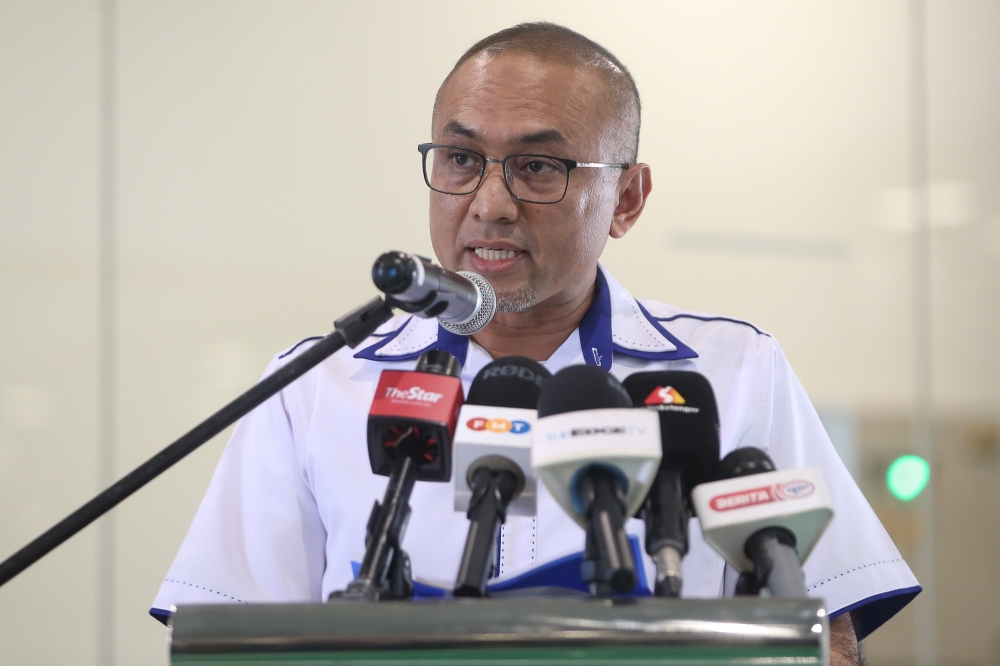
Setia Utama LRT3 Sdn Bhd (SULRT3) chief executive Patrick Hwang said the project is otherwise on track and progressing towards completion.
He said the current team is equipped to finish the remaining systems work.
“At this point, we believe we are on the right track to complete the work,” he said.
“I do not think there is any need to appoint another systems consultant to review the project. We already have independent safety assessors assigned to this project,” he added.
Hwang said the project has completed nearly 4,000km of “golden train” testing, which he described as the most challenging phase of the systems work.
He said they are now moving into the final stretch of testing.
“The safety assessors are responsible for evaluating the reliability of the software and systems.
“This is part of our ongoing efforts to ensure everything functions as intended,” he said.
He added that the team is “very close” to completion, noting that three train types have also achieved 3,000km of testing.
Hwang confirmed that 33 glitches had been detected over the past two and a half months, all of which were resolved, though each fix requires further testing to ensure system stability.


