












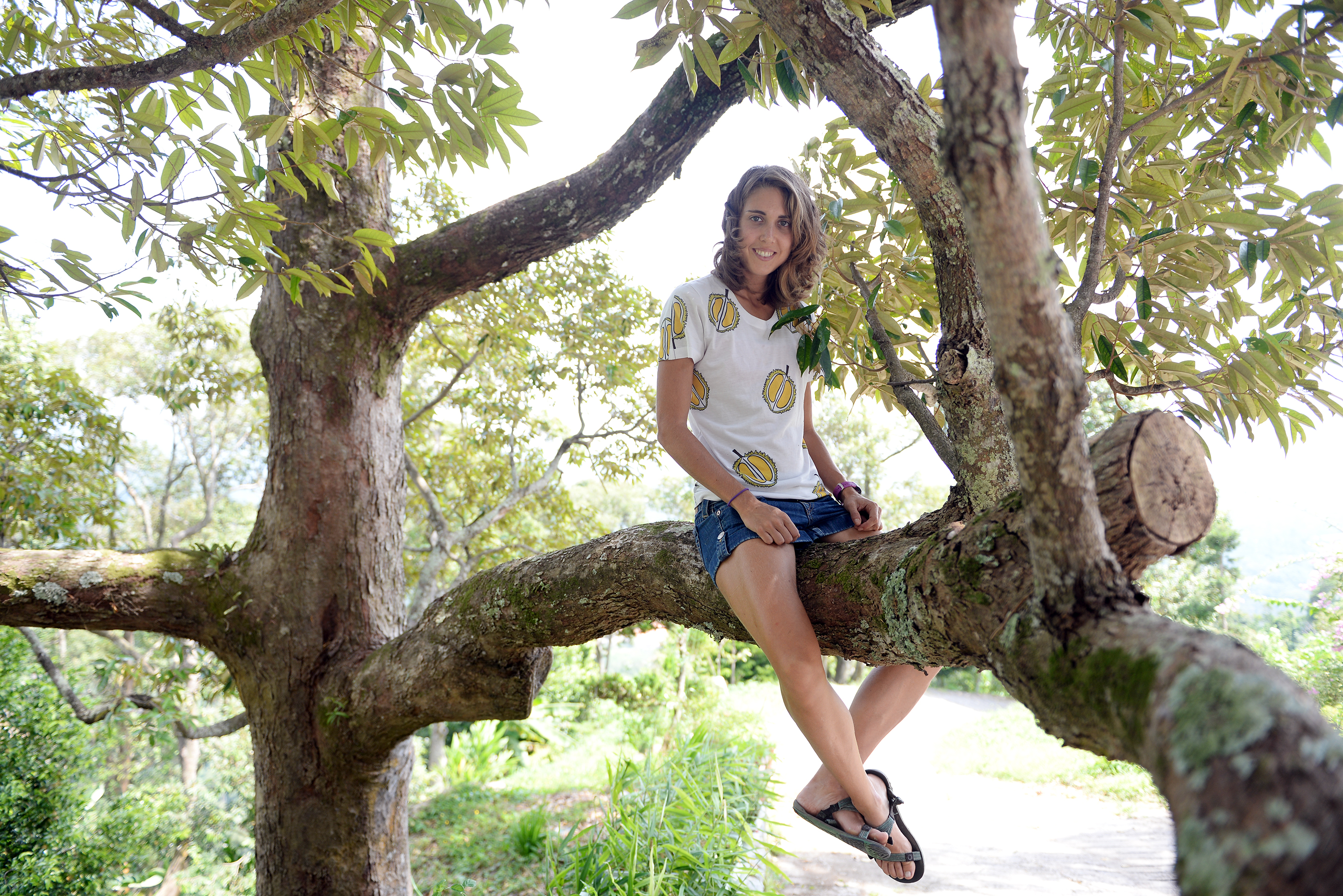


GEORGE TOWN, June 27 — It started back in 2009 when she was helping out at the wedding of a raw vegan couple on a farm in Oregon. That was when Lindsay Gasik smelled her first durian.
She was so curious about it, she used her birthday money to buy a durian and tried it. “It was exotic and the taste was amazing,” she remembered.
Then seven years ago, Gasik set off on an amazing journey to follow the durian trail all over Southeast Asia. For a year.
It was that epic trip that kick-started everything. Today, she is a bona fide durian hunter who knows the nooks and crannies of most of the durian farms and orchards all over this region.
The 29-year-old American has been trekking all over 13 countries in Asia year in, year out following the durian season, so much so that she knows the locations of the farms, the stories behind them and the many varied species of durians available like the back of her hand.
In 2014, she released a Thailand durian guide book to help Western durian lovers navigate their way around Thailand; to get to durian farms that were not easily accessible due to the language barrier.
“I was receiving a lot of emails asking for help on where to go for durians so I came up with the guide book in Thailand, just so I could stop replying all these emails,” she said when met at the Soon Huat durian farm up on a hill in Balik Pulau.
The book proved a success and Gasik has since updated it with a newer version in 2016. This is still available in e-book format on her "Year of The Durian” website.
But how did she herself get over the language barrier in all these different countries? Gasik explained that she kept asking for help; she had help from local Thais who could speak a bit of English and continued asking around.
Coincidentally this was also how she overcame her shyness, by forcing herself to ask for help and ask questions.
She also picked up a bit of Thai over the years but now that most of the orchard owners know her, it’s much easier. In Penang, she signed up for Mandarin classes and picked up some Hokkien. Gasik explained that It’s easier here since most can speak English.
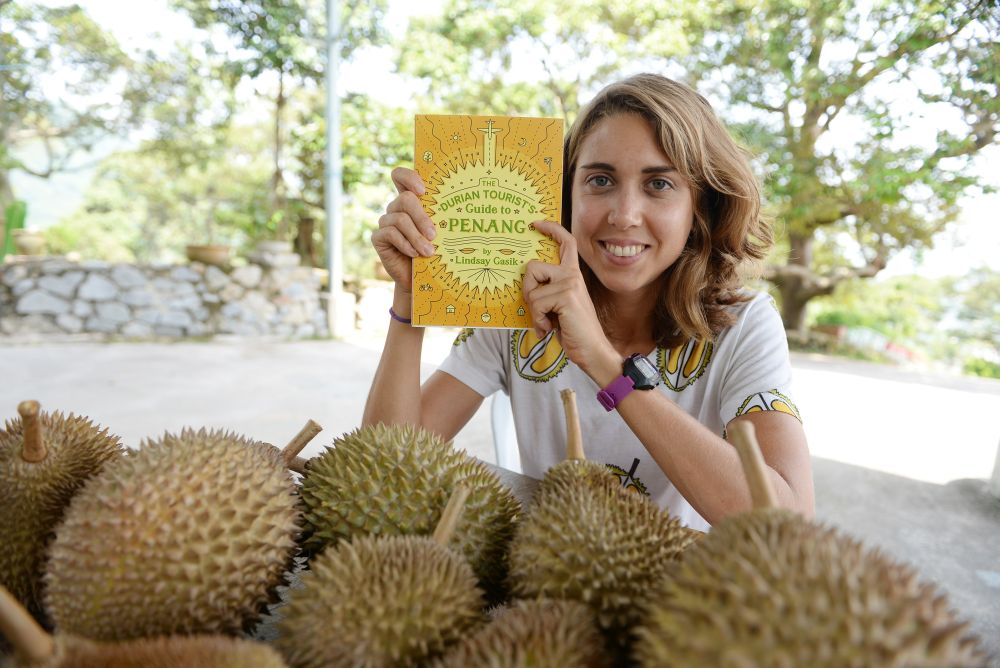
Gasik also started working on The Durian Tourist's Guide to Penang, a project that spanned four years as she visited farm after farm, interviewed the owners, tasted variety after variety of durians, all the time while conducting durian tours all over Asia.
“I don't have a base currently, I go where the durian season takes me and my tour packages follow the peak times to enjoy durians all over 13 countries,” she said.
The 300-page book, available both in printed and e-book format, is not a mere guide to durian farms and varieties of durians in Penang. It also has Gasik's take on the history behind the farms she visited, the stories behind the durians and the stories of the durian farmers.
“It is like a durian-tasting guide book and it is also about exploring the culture here through durians,” she said.
The book features about 65 farms all over Penang, including those on the mainland side of the northern state, and the types of durians available at these farms. “There are so many stories to be found here, there are like a thousand farmers here, each with a different story... there's so much to learn and tell,” she said.
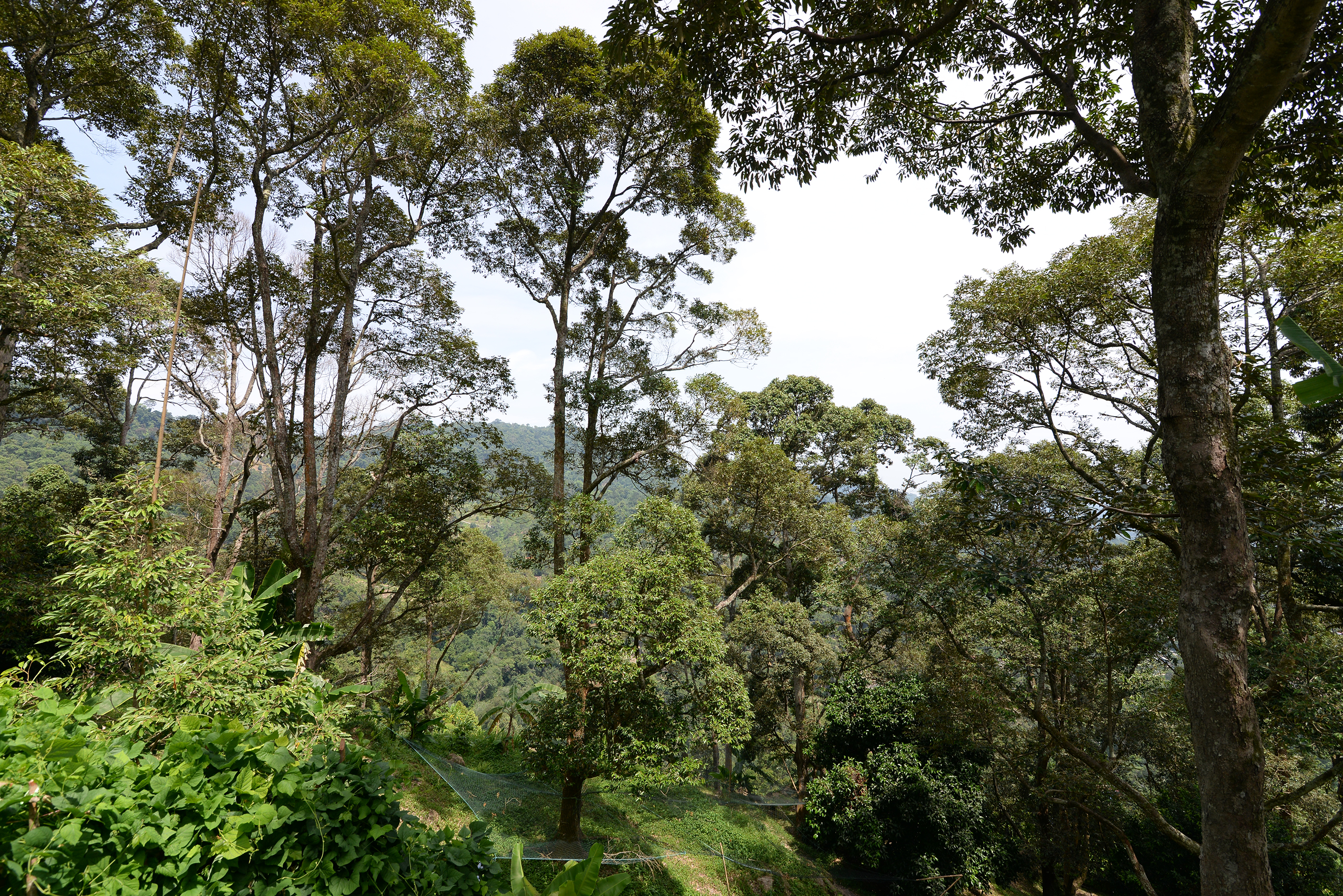
One of the farms mentioned in her book is the Soon Huat durian farm that is only accessible through a steep narrow jeep track. The farm belongs to 68-year-old Chang Kheng Hai who has left the management of the farm to his second daughter, Chang Poh Choo and her husband, Richard Lim.
Chang, whose brother owns the Bao Sheng durian farm, inherited the farm from his father back in 1989 and has managed the farm until an accident left him with a mobility impairment about 15 years ago.
The farm spans about 7.5 acres and has about 300 durian trees of different hybrids including the popular Musang King, Siao Hong, Or Chi (blackthorn), Hor Lor, D11, D14, D15, Khun Poh and Lipan.
Gasik, who describes durians as a “wily, mysteriously ambrosial custard” in her website, said she was incredibly shy before she started her durian travels years ago and going on a durian hunt all over Southeast Asia was a way to force her to talk and interact with people.
It was also her way of learning about different cultures in Southeast Asia through her love for durians.
After six years of being on the durian trail, Gasik said she may soon find a base in Penang and slow down a little bit. “This is the place that feels like home and it has everything I like, it has mountains, the ocean, there's the strong slow-food movement here and I'm not very far from the city too so I may find a base to stay here,” she said.
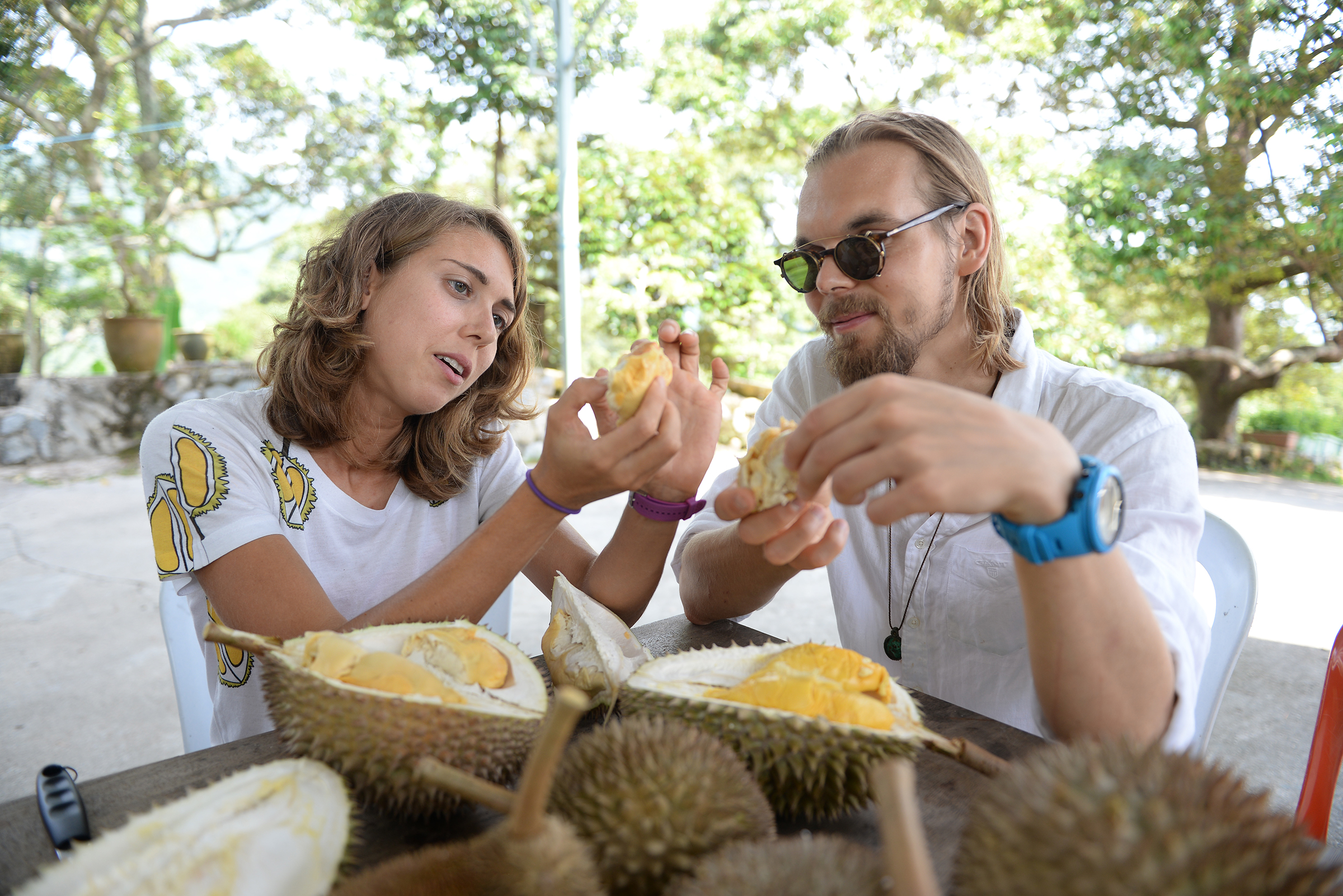
Gasik is usually in Penang for the annual Bao Sheng Durian Festival in June which initially started as her birthday bash back in 2012.
This year's festival was her last though. After five years of organising it, Gasik wants to focus her attention on other projects like the durian trail she will be guiding.
They will go through several states to sample durians and local fruits, travelling through Kedah, Gopeng, Pahang and down to Negri Sembilan and Melaka.
“We don't only eat durians; in Penang, I organise a Nyonya cooking class for the group, in Kedah, we try out Malay food such as ulam and jackfruit curry, then in Gopeng, we try the Orang Asli food, Minangkabau food in Negri Sembilan and different Baba Nyonya food in Melaka,” she said.
Anyone can book a durian tour package with Gasik through her website while The Durian Tourist's Guide to Penang book is set to be released in mid-July. Only 1,000 copies will be printed first and she is accepting pre-orders for the book on her website. Find out more about Gasik and her durian adventures at yearofthedurian.com.
She is also on Facebook as Year of The Durian and on Instagram @durianwriter.