











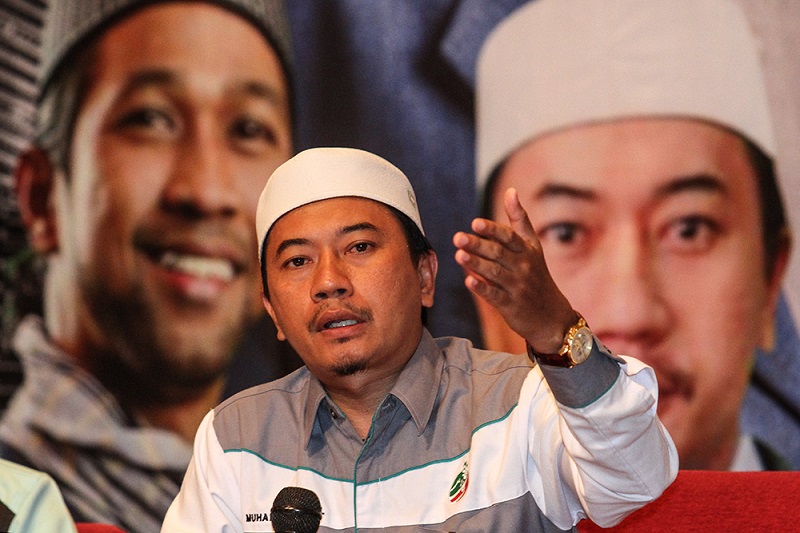


SHAH ALAM, March 25 — PAS Youth Chief Muhammad Khalil Abdul Hadi accused today the Selangor government of deliberately complicating the disbursement of funds to state representatives who are not politically aligned to it.
He expressed regret that the “easy” disbursement of funds to PAS assemblymen had been made “complicated” even though the money was to be used for the welfare of Selangorians.
“For us, such an easy requirement and responsibility should have not been made so difficult and complicated to this level,” he told reporters after a youth dialogue session organised by Gagasan Sejahtera, the political pact or “third bloc” comprising PAS and other lesser-known political parties.
Muhammad Khalil said the PKR-led state government has strayed from the responsibility of a ruling party by delaying the release of allocations meant for public welfare.
“Basic things need not be politicised because it is for the good of the people, while the allocations also being a right deserved by the state representatives,” he said.
The spat over the disbursement of the funds between the Selangor government and PAS representatives began late last year.
Selangor Mentri Besar Datuk Seri Azmin Ali had previously explained the delay in disbursing funds was due to administrative complications.
The allocations were reported to have been disbursed to the state representatives early last week.
When asked if the delay could be part of a political tactic against PAS, Muhammad Khalil told reporters to check with the PKR mentri besar directly.
“For us, what is important is we give service to the people, and this principal was maintained, practised and could be seen when we controlled Terengganu, and now in Kelantan, without discrimination towards anyone.
He said this is because PAS did not want Malaysia to continue the culture of politicising every topic.
“We can talk politics during elections, but after, we need to serve the people.
“He needs to respect the people of Selangor, who chose the PAS representatives to serve them, without delaying the allocations,” he said.