


KUALA LUMPUR, Sept 1 — Malaysian and other Southeast Asian authorities are battling time in the fight to stop Islamist militants from carrying out attacks in the region, experts on terror have said.
Local bands of militants with links to the Islamist State (IS) but acting independently of each other are growing bigger and stronger even as the global terror group cedes ground in its Syrian stronghold, forcing it to mount strikes elsewhere in the world, including Southeast Asia where it had recruited a significant number of fighters.
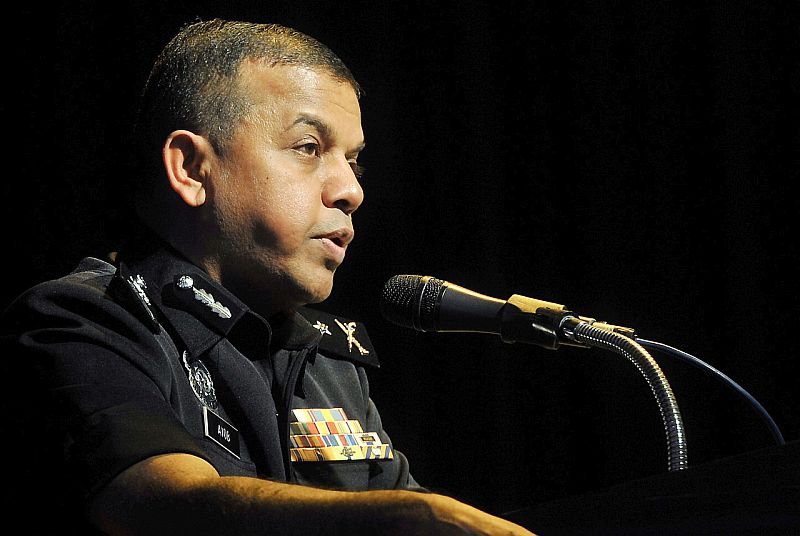
“ISIS is using small cells here, operating independently of each other,” Bukit Aman’s counter-terrorism chief Datuk Ayob Khan Mydin Pitchay was quoted saying in a news report by The Straits Times today.
“We can dismantle several cells but we won’t know how many cells they have,” he added.
The Singapore daily reported that Malaysian police intelligence have enabled the authorities to arrest and disarm some 240 Islamist militant suspects in the last three years, but the aggressive rate at which these cells are growing is challenging their resources to thwart attacks before they happen.
The paper highlighted the June 28 grenade attack at the Movida pub in the Selangor suburb of Puchong as an example of an unexpected attack.
Police have since increased security patrols nationwide, especially in strategic administrative and commercial areas.
But the Singapore university professor who was the republic’s former government rehabilitation programme trainer cautioned that such measures may not hold out long against the militants.
“They’re not going to attack a place filled with security personnel.
“A heightened security area would actually repel them. They don’t have the guts to approach key areas but we can’t rule out this possibility in the future. If they acquire new manpower, skills or capability, they might do that,” Professor Ahmad el-Muhammady was quoted saying.
Inspector-General of Police Tan Sri Khalid Abu Bakar said in a statement yesterday that police arrested three people suspected of IS links whom they said had planned to perpetrate citywide attacks on the eve of Merdeka Day celebrations, including at the Hindu temple in Batu Caves popular with tourists and entertainment outlets.


