




PETALING JAYA, July 16 — A call for stricter internet controls by the prime minister has drawn negative reaction from the public, who see curbing social media as restricting freedom of speech.
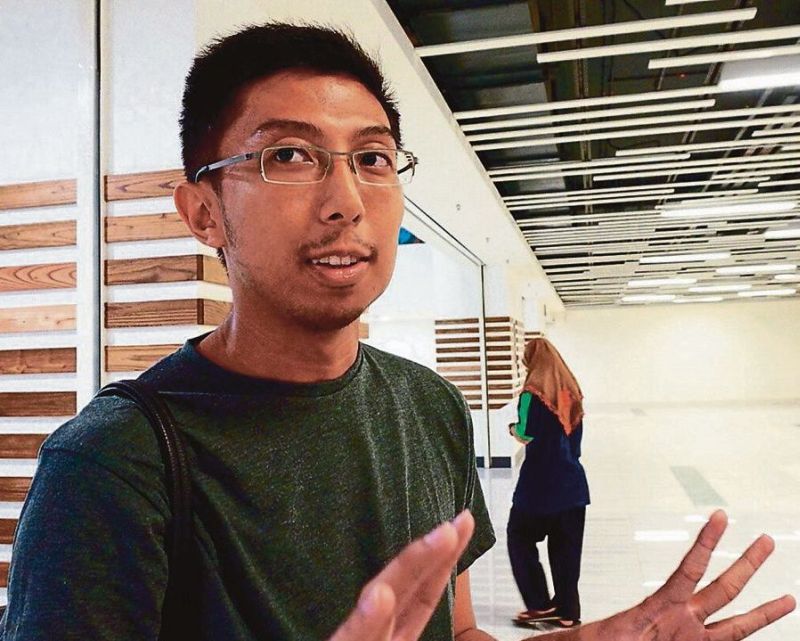
Programmer Aarief Ahmad Haafiz, 23, said regulating content will not stop discussions from taking place.
“Discussions, even those with an element of racism, will still go on, just that it will be in real life instead, like when people hang out with their friends at the mamak, where stories and opinions will be shared,” he said.
“The underlying cause is the racial separation that is currently deeply rooted in society.”
He feels using social media to allow discussion is beneficial.
Student Nur Hasnah Fathor, 22, said regulations over content should not be an overall thing but dependent on the issue and situation.
“The name of the medium is social media so it should be free, however, there are some things that need restricting,” she said.
“For example, if there are people who are causing specific social issues, such as purposely humiliating others online, then they should be stopped.”
“But at the same time, information on current issues should be allowed.”
She explained that freedom of speech was very important.
“Right now, we know there is news that has been restricted by the government, which cannot be printed or shown on television,” she said.
“Social media allows these things to be seen and heard so people know what exactly is going on.”
Another student, Lom Lay Theng, 18, said the main problem was not social media, but the people.
“I think it is a matter of self-awareness of what is said and posted online,” she said.
She said that instead of restricting the use of social media, the message of moderate viewpoints should be spread.
“Perhaps a video could be created to show the effects of negative acts.”
“The message needs to be made more prominent,” she said.
Salesman Nick Ng, 35, said internet freedom should be kept as it is.
“People should be able to decide for themselves,” he said.
“There shouldn’t be a law imposed because everyone should be mature enough to decide what is right and wrong.”
Production and social media assistant Carleen Bastian, 24, said restriction would have greater consequences than allowing freedom of expression.
“The possibilities of bigger riots would be much higher,” she said.
“Right now, social media did play a role on exaggerating the truth and people got hurt — that, of course, is misuse.”
She said what was needed most now was to educate the public.
“People need to be educated not only on the misuse of social media but they also need to have a space for venting and discussion.”
Amnesty International Malaysia executive director Shamini Darshini said stricter internet controls would erode the right to freedom of expression.
“Ï do agree with the prime minister when he said that the public should not believe too easily information spreading on social media without first verifying its source, however, awareness and responsibility for this lies with the user.
“It should not be governed by law nor be at the expense of restricting online freedoms.”
She added those responsible for the Low Yat riots should be dealt with legally, but the incident should not be used to restrict and suppress Internet use.


