


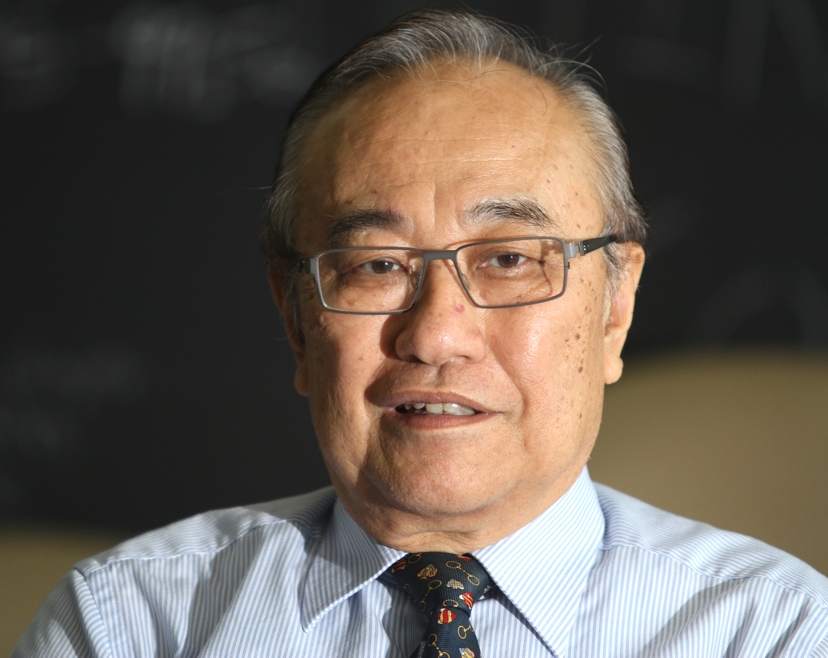


KUALA LUMPUR, March 17 — Datuk Paul Low admitted today that the effort to declassify certain secret government documents he believes should be accessed freely by the public has been the “toughest area” for him since he became minister.
Low, now in his first term as the minister in charge of integrity and transparency, agreed that certain documents under the Official Secrets Act (OSA) 1972 should not be allowed for public disclosure, saying access to information is crucial when upholding government accountability.
“I completely agree that we may need access to information... but it requires at least some amendment to the Official Secrets Act to declassify quite a number of documents that do not need protection or secrecy.
“Yes, we have the Official Secrets Act but the issue is, should everything be kept secret, should toll concessions be secret?” the former Transparency International Malaysia (TI-M) told a hall packed with civil servants at the National Institute of Public Administration (INTAN) here.
In 2009, a court had forced the government to declassify highway toll concessions and a water concession agreement.
The Power Purchasing Agreements (PPA) with independent power producers (IPP) however are still classified as secret, along with numerous other documents that many do not consider as national secrets.
According to provisions in the OSA, a minister, the Mentri Besar, or Chief Minister may appoint any public officer to classify any official document as secret.
Meanwhile, to declassify an official secret, a minister or public officer charged with any responsibility in respect of any ministry, department or any public service, or the Mentri Besar, or Chief Minister, or the principal officer in charge of the administrative affairs of a state may, at any time declassify any of the said secret documents.
Today, Low stressed that the access to information is necessary for the public to scrutinise every decision made by the government.
“So access to information is necessary because we have opened ourselves up to accountability to the public, that means every decision that I make, the public will know, who gets it, even in a proper manner, is it the best alternative.
“Then I believe we will have good accountability by accessibility,” he said.


