




KUALA LUMPUR, Nov 27 — After years at the bottom of the country’s economic ladder, Sabah is aiming to be a major part of — and possibly lead — the country’s efforts at becoming a high-income economy by 2020.
What it lacks in economies of scale present in the state economies of the peninsula — long the envy of Sabah and Sarawak, the country’s two largest states — it makes up for with ambition and an untapped potential that the state administration believes can be a source of growth.
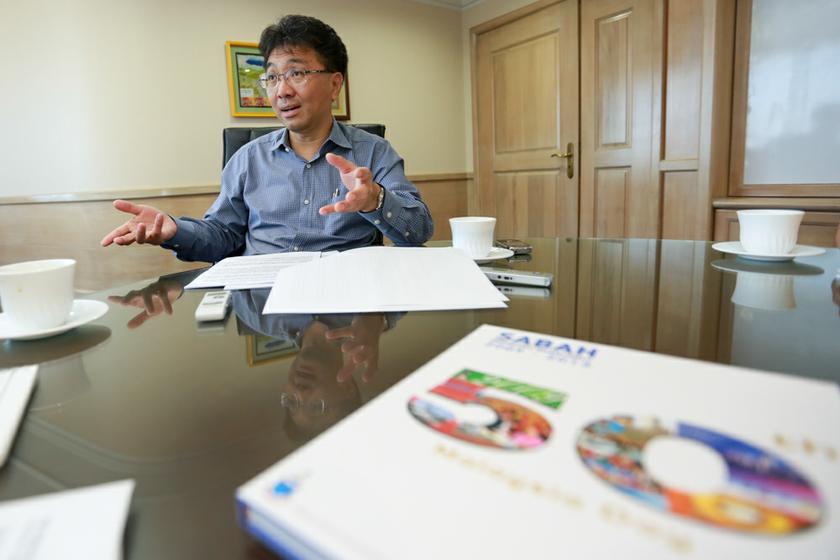
“We have the right opportunity, because Sabah has the resources,” Deputy Chief Minister Datuk Raymond Tan Shu Kiah told The Malay Mail Online when met in Kota Kinabalu recently.
Scepticism may be a natural reaction to the minister’s optimism, if Sabah’s economic performance over the past decade is to be any measure.
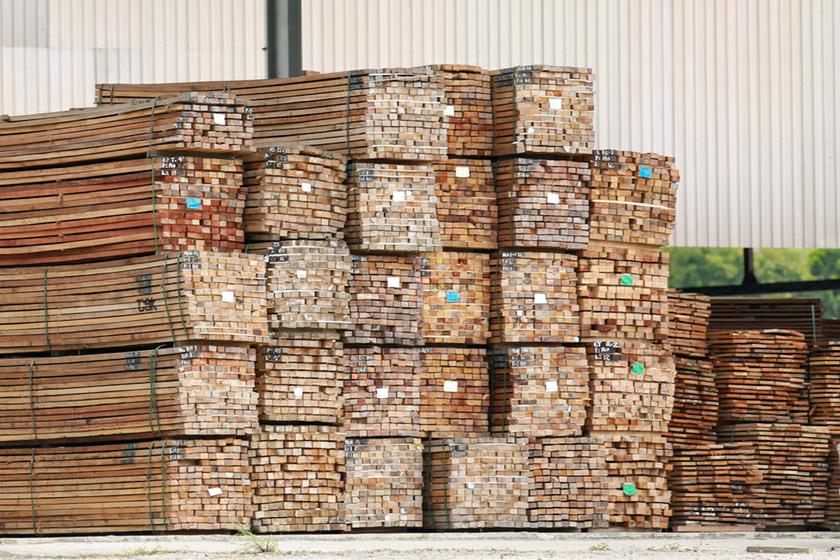
After the timber boom that lasted for some two decades from the 1970s to the 1990s, the state economy faltered due to the lack of a clear development direction and federal funds.
For some nine years from the mid-1980s to mid-1990s, Sabah had been one of just two opposition-held states in Malaysia, under PBS that was then opposed to Barisan Nasional (BN). It was a period that businessmen and politicians would argue was inopportune for those hoping to profit from development and infrastructure projects.
Even after the ruling BN snatched control of the state from PBS in 1994 — via a series of contentious crossovers — plans to push development hit a major snag when the 1997 Asian Financial Crisis ravaged the country’s economy along with others in the region.
For years, Sabah remained in the same club as Kelantan — which has stayed an opposition state since it fell to PAS in 1990 — as among the poorest states in the country.
Sabah also held the dubious record of having among the highest rates of poverty in the country, which stood at 19.7 per cent just four years ago, though the Statistics Department brought the figure down to 8.1 per cent last year based on the preliminary findings of its Household Income Survey for 2012.
Tan insists that the state government has done its work over the years to reverse Sabah’s position in the country’s bottom-three performers to becoming among the top-three contributors to Malaysia’s gross domestic product (GDP) last year.
“In the first quarter of 2012, we ranked number one with total investments for the year worth over RM10 billion,” he said.
In terms of industrialisation, Tan, who is also state industrial development minister, said that the Malaysian Investment Development Authority (MIDA) ranked Sabah third overall with some RM5.03 billion in domestic and foreign investment last year, behind Selangor’s total of RM11.7 billion and Johor’s RM5.5 billion.
“My ministry has a target of RM5.4 billion for total investments from the manufacturing sector of Sabah’s economy this year. And we have not just plucked the figure out of a box.
“The target for each agency under the ministry was set according to their respective capability to attract investments,” he said, adding that initial estimates would usually be revised upwards as they approach the end of the year.
But setting aside the large figures, the biggest reasons for Tan’s optimism lie behind two types of oil: petroleum and palm.
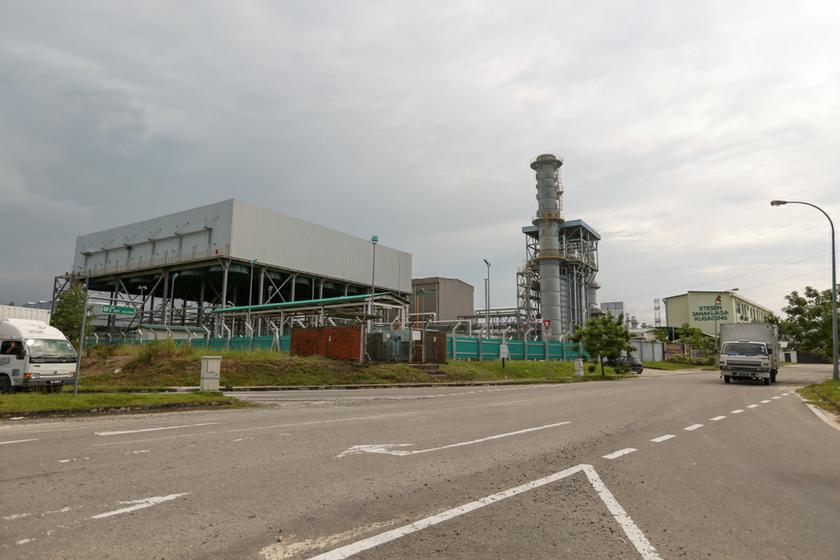
Spurring the state’s economy forward right now is the active development of a new deep-sea oil field off the state’s west coast, which has lead to the creation of the Sabah Oil and Gas Terminal (SOGT) that promises at least RM10 billion in investments managed by national oil firm Petronas.
This adds to ongoing work on the Palm Oil Industrial Cluster (POIC) in the east coast district of Lahad Datu, which has so far drawn at least RM4.5 billion in foreign direct investments in fertiliser and oleo-chemical production since it was launched in 2005.
Sabah accounts for the single largest land area developed for the country’s palm oil industry, accounting for around one-third of the total acreage cleared for oil palm plantations in the entire country.
Leaning forward as he excitedly talks about the future of the two projects and their potentially lucrative spinoff industries, Tan repeatedly emphasised the need for Sabah to capitalise on creating strong and sustainable downstream industries that would keep foreign investors around for the long haul and help the state scale the value chain.
“The excitement here is how do we bring in the technology... to develop what we used to throw away and turn waste into wealth?
“Even from our rubbish, they (investors) can make money from it, but we need the technology to do that. In the past we made a mistake. If, for example, we sell our CPO (crude palm oil) to China like we did, they will just set up their processing plant in China.
“Now what we want to do is to facilitate. You build your downstream processing plant here in Sabah... if you look at the potential of Malaysia today, if you can get two presidents interested, there is something here,” he said referring to the heads of state of the United States and China.
Tan said just like how the state government had pushed for investors to set up their fertiliser-processing plants in the POIC, it believed that there is potential in developing a local industry for the downstream processing of the millions of cubic metres of natural gas being pumped out of the SOGT.
He said that it is a waste to pipe the resource to Petronas’s natural gas plant in Bintulu simply to package it for sale, without taking advantage of the massive potential for the downstream processing of the resource such as is being done in the Sabah Ammonia Urea Project (Samur) in the state’s southern-most district of Sipitang.
Taking the example of interest from companies out of the US, Tan said the onus lies with the owners of the resource to make sure they can get as much benefit from what they have.
“When you run out of gas, the Americans won’t come here anymore as they will just go and buy from elsewhere. The bottom line is how much technology do they have, and can we bring it here... that is the game plan,” he said.
Tan added that plans are already underway to take advantage of the gas pipeline that passes through Sipitang en route to Bintulu in Sarawak, to develop ammonia downstream processing under a project code-named Markisa, though he was sparse on the details.
Shifting his focus to the Kota Kinabalu Industrial Precinct (KKIP), the minister said it was a similar situation when they negotiated the deal with Tan Chong Motor Holdings Bhd to set up a luxury car assembly plant to anchor the precinct’s new automotive sector.
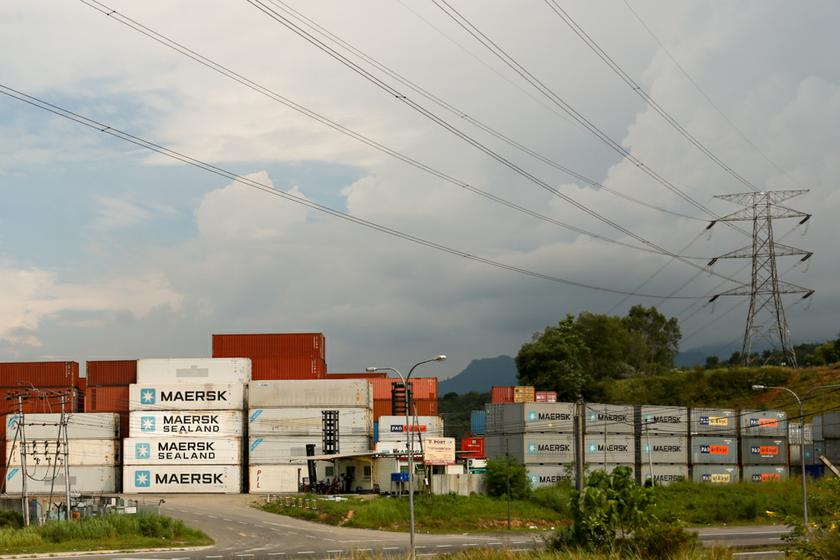
Tan said the total investment by Tan Chong is expected to hit nearly RM700 million, but of greater importance is the fact that it will develop a market for support industries that range from parts vendors to restaurants and hotels.
But beyond the typical investors from developed nations, Tan believes that the future of Sabah’s growth — and by extension, Malaysia’s — is to help develop and capitalise on the nascent potential of the Brunei-Indonesia-Philippines-Malaysia East Asean Growth Area, or BIMP-EAGA for short.
The BIMP-EAGA idea was initially mooted by the then-president of the Philippines Fidel Ramos and former Malaysian Prime Minister Tun Dr Mahathir Mohamed in the early 1990s, and covers the southern Mindanao region of the Philippines; Kalimantan, which makes up Indonesia’s portion of Borneo island; Sabah and Sarawak for Malaysia; and Brunei Darussalam.
In April this year, it was announced at the 9th BIMP-EAGA summit that total trade in the region was valued at US$170 billion (RM545 billion) for the year 2011, with intra-EAGA trade accounting for 25 per cent of the figure.
Tan said there is enormous potential to develop the economies of the region, especially since there are many commonalities between the communities that live there, such as their agriculture and marine produce that are highly sought after worldwide.
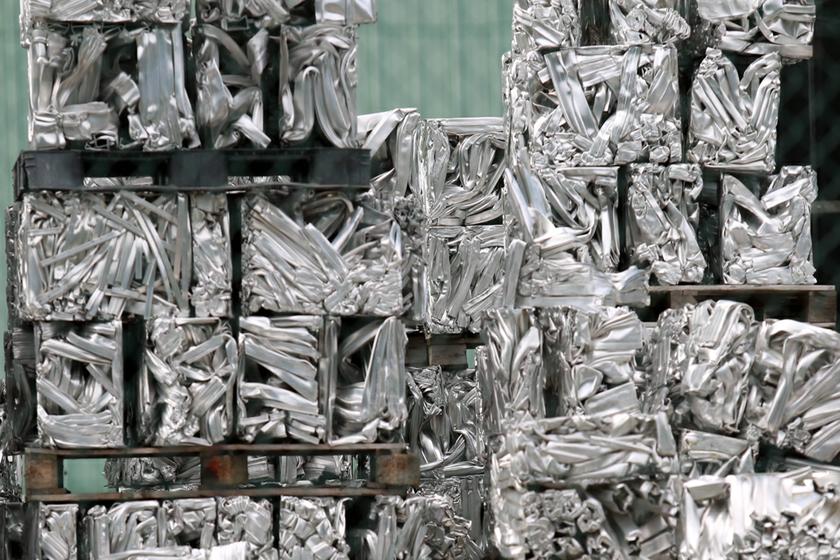
He, however, acknowledged that there are still issues holding up the four countries’ ability to tap the region’s potential, ranging from the tenuous security situation in South Philippines to the overall poor connectivity between the four countries.
“The top of the agenda is to link up the region closer. For example, to get to Balik Papan (in Indonesia), you need to fly out from Kota Kinabalu to Kuala Lumpur, and then take a connecting flight to Jakarta before you can get to Balik Papan.
“It’s stupid because you’re just making one big round to get to some place that is so near. With connectivity, we can work on more collaboration. If we can relook at this arrangement within the next five years, the results will be much better.
“Sabah can lead that economic growth, because of its strategic positioning in the market. Sabah is in the centre of the growth area, and looking at the regional aspect, we’re talking about a population of at least 60 million in the region.
“Sabah is in the position of leading a higher growth region,” he said.


