


KUALA LUMPUR, Dec 13 – Japan’s Ezaki Glico is a renowned global food company but they didn’t get there solely through creative advertising and large-scale production.
The over 100-year-old company, famously known for introducing the world’s first chocolate-coated biscuit sticks, Pocky, has always relied on heavy research and development (R&D) for their products – from finding the perfect healthy ingredients and methods to understanding new markets and consumers.
This can be seen, for example, in the R&D work they’ve put into one of their flagship products in health and wellness, the Almond Koka, where they spent countless hours ensuring they can deliver the health benefits of almonds in their product more effectively and conveniently.
One of their methods includes balancing the almonds’ roasting time and temperature, after which the almonds go through the homogenisation process where they are blended evenly to achieve a smooth and consistent texture while maintaining its nutrients.
These methods, coupled with their creative marketing strategies, have resulted in Almond Koka becoming the leading almond milk brand in Japan.
Glico takes pride in their philosophy of “Healthier days, Wellbeing for life”. However, when it comes to penetrating other markets, they also have another motto: “Think globally and plan locally”.
Navigating the Malaysian market
Despite Glico Malaysia being established in 2017, the company is no stranger to the South-east Asian market as they have been doing business in the region since the opening of their Thai Glico Co. Ltd back in 1970.
“Malaysia remains a strategically important market within our South-east Asia portfolio, representing a growing consumer base with strong demand for both our confectionery and health and wellness portfolio.
“As such, understanding and incorporating local market trends and nuances has always been a key approach for us when serving the Malaysian market,” said Glico Malaysia managing director Lee Yeen Theng.
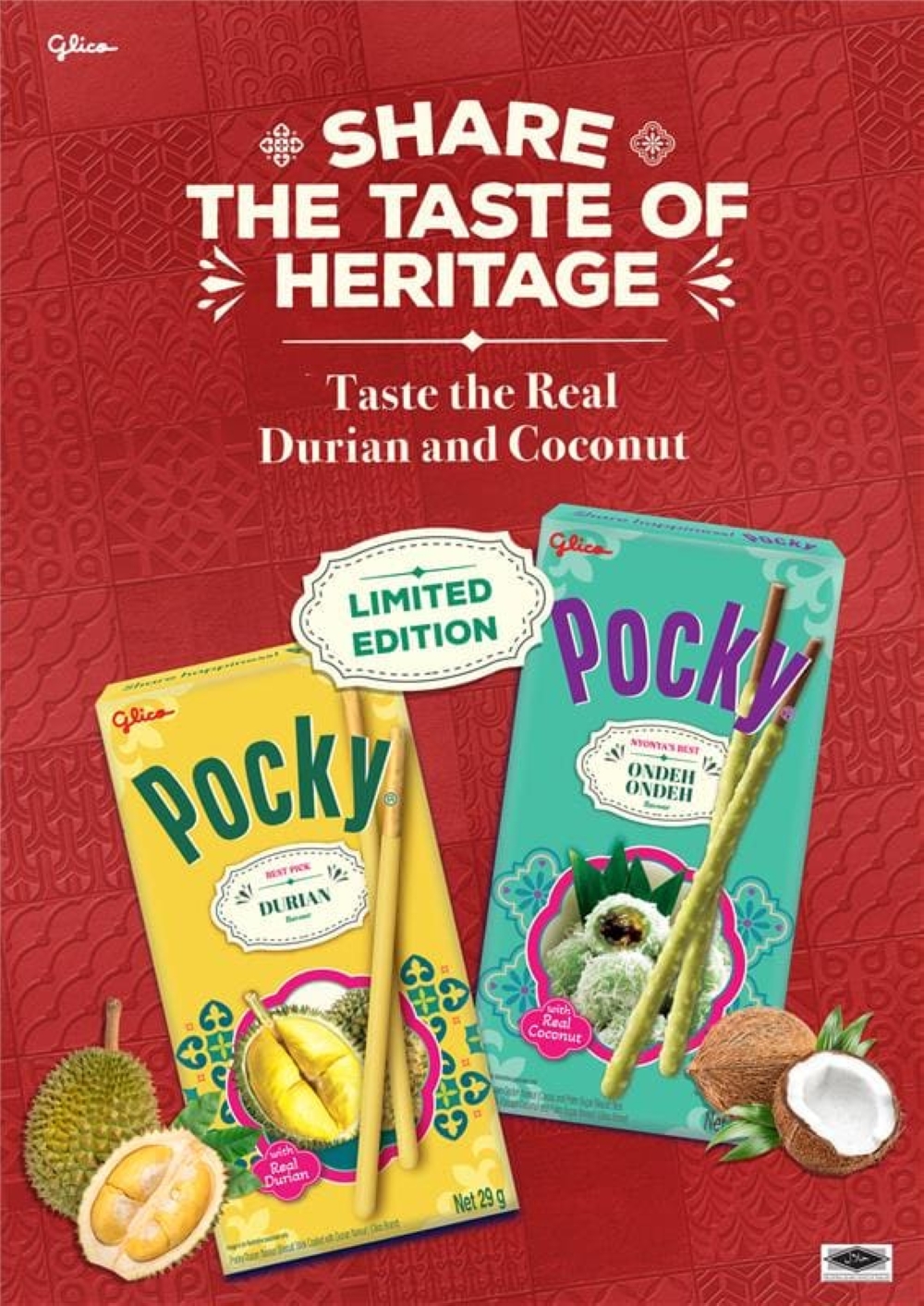
These approaches include the recent introduction of the limited edition Pocky flavours for Merdeka this year: Pocky Durian and Pocky Ondeh-Ondeh.
Earlier this year during Hari Raya, they also collaborated with local influencers to introduce several Pocky-based kuih raya recipes.
Lee also pointed out that Malaysia is a highly competitive market when it comes to confectionery and snacks, and this is where they would leverage insights from their global and regional R&D teams.
“By following a multistage product development process, it allows us to identify potential new flavours through market research and consumer feedback, and to introduce innovative products that align with evolving tastes and wellness trends.
“Through this approach, we ensure that our products are both relevant and appealing to Malaysian consumers while maintaining Glico’s commitment to health-focused innovation,” she said.
Aside from that, Lee said that having their products manufactured for Malaysia and other SEA markets to meet the halal requirements is also a top priority.
She added that both their production plants in Indonesia and Thailand are halal-certified facilities that produce Glico products for the SEA region and the US market.
“We work closely with certified suppliers and follow strict processes to adapt our recipes where necessary to comply with halal standards.
“This allows Malaysian consumers to enjoy our products with confidence while maintaining the taste and quality that Glico is known for.
“While certain recipe adaptations may be required, our approach focuses on preserving the original essence of our offerings while meeting local regulatory and cultural standards,” she said.
She also said that the Malaysian market also benefits from insights generated through Glico’s global R&D initiatives and regional innovation efforts.
Accelerating research on ageing prevention
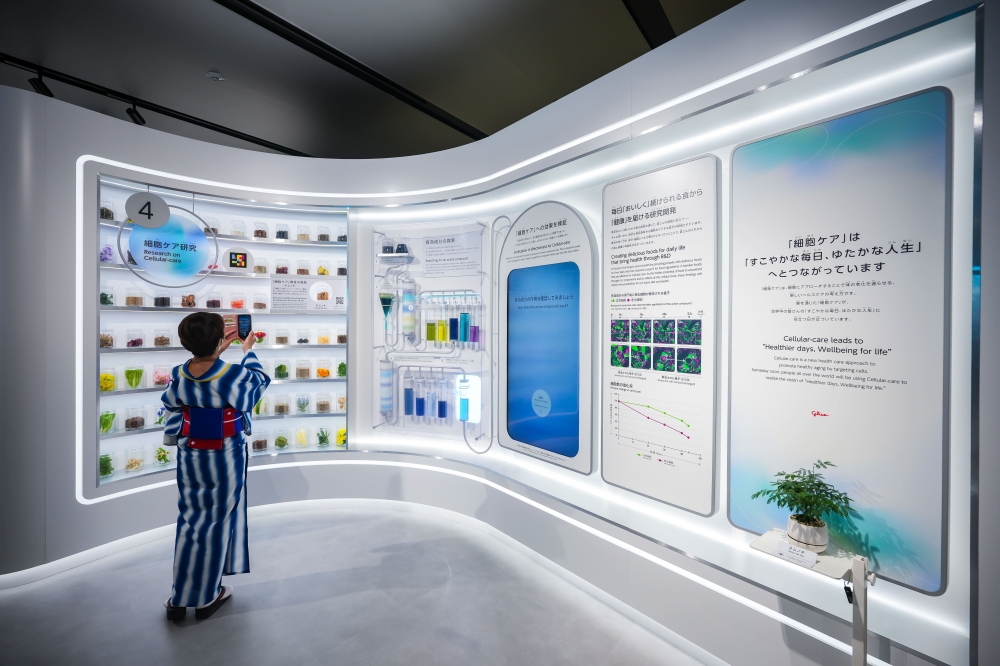
As Japan deals with an ageing population, the Glico R&D team has been conducting extensive research on ingredients that could act on the causes of ageing.
In April this year, they announced (they found) that the Persian silk tree (Albizia Julibrissin) has an ingredient that can remove senescent cells effectively.
Senescent cells, also known as zombie cells, are cells with damaged DNA, caused by factors such as natural ageing, ultraviolet exposure, or unhealthy lifestyle.
As these cells lose their ability to divide, they begin releasing inflammatory substances that can negatively affect the body.
Senescent cells are also one of the causes of biological ageing.
“In an evaluation using cultured human cells, the flower part of Persian silk tree was shown to remove senescent cells with 9.8 times greater efficiency compared to normal cells.
“Persian silk tree demonstrated higher removal efficiency and it has been shown that Persian silk tree selectively targets and removes senescent cells while allowing normal cells to survive,” Glico said in a statement.
This is also the first time the senescent cell removing effect of Persian silk tree has been identified and its efficiency is also greater compared to quercetin, a functional compound found in onions and other plants that has been reported to remove senescent cells.
Glico said that they have tested around 6,000 ingredients and found that the Persian silk tree was the most effective.
“While natural ageing itself is an unavoidable passage of time, the rate at which biological ageing progresses varies among individuals and can be influenced by lifestyle and other factors.
“Around the world, research on senescent cells is underway in pursuit of extending healthy life expectancy.
“The removal of senescent cells — known as senolysis — has been reported to improve various age-related conditions and contribute to longer, healthier lives,” they said.
Despite their research being still at an early stage, Glico is confident that the discovery could help in their pursuit of healthy ageing so much so they have even officially filed an international application under the Patent Cooperation Treaty on their recent findings.
The Persian silk tree which is commonly found in countries such as Iran, China, Korea and Japan has long been used for herbal teas.


