


PRATO, Dec 11 — A landmark trial in Italy of Chinese crime gangs has suffered so many mishaps – from the disappearance of documents to the resignation of interpreters – that a senior prosecutor suspects it’s being sabotaged to protect the criminals’ grip on Europe’s fashion industry. The case, launched after two Chinese men were hacked to death with machetes in 2010, is aimed at dismantling an illicit network accused of controlling the logistics of the continent’s multi-billion-euro garments sector from the city of Prato in Tuscany.
Instead, it has become a cautionary tale about the obstacles Italy’s justice system faces when confronting international organised crime without the tools it has used effectively to fight home-grown mafia groups, prosecutors say. Reuters spoke to two of Italy’s most senior anti-mafia investigators, and more than half a dozen textile workers, union representatives and defence lawyers, to gain a rare glimpse into the challenges of tackling alleged Chinese organised crime.
“The suspicion is that there is interference from the Chinese community and Chinese authorities in this matter,” said Luca Tescaroli, a veteran of Italy’s war against the mafia who is now Prato’s chief prosecutor and leading the charge against Chinese crime gangs.
The Chinese embassy in Rome did not reply to emails requesting comment on Tescaroli’s remarks. China’s foreign, public security and justice ministries did not immediately reply to Reuters’ requests for comment for this story.
When the latest court interpreter failed to show up to a hearing at the end of September, a quick check revealed she had returned to China and her transcripts were “incomprehensible and unusable”, Tescaroli said.
The translator was the second to walk off the job and no other Chinese interpreter in Tuscany has agreed to take over. Tescaroli has opened an investigation into the possibility that someone is looking to sink the trial.
The violence prosecutors hoped to curb has only intensified as the trial flounders, with the battle for control of coat hanger production and fast-fashion freight spawning a string of bomb and arson attacks in Italy, France and Spain.
There have been at least 16 attacks, including cases of the destruction of property, since April 2024, according to a Reuters tally of official reports.
A fast-fashion flashpoint of criminal violence
The Prato prosecutor and his colleagues are pressing the judges in the so-called China Truck trial to define the Chinese gangs legally as mafia groups – a designation that would unlock sweeping powers, asset seizures and stiffer sentence.
However, in Italy that label is difficult to secure, even more so if the organisations are rooted abroad, making them harder to penetrate than home-grown crime groups such as Sicily’s Cosa Nostra.
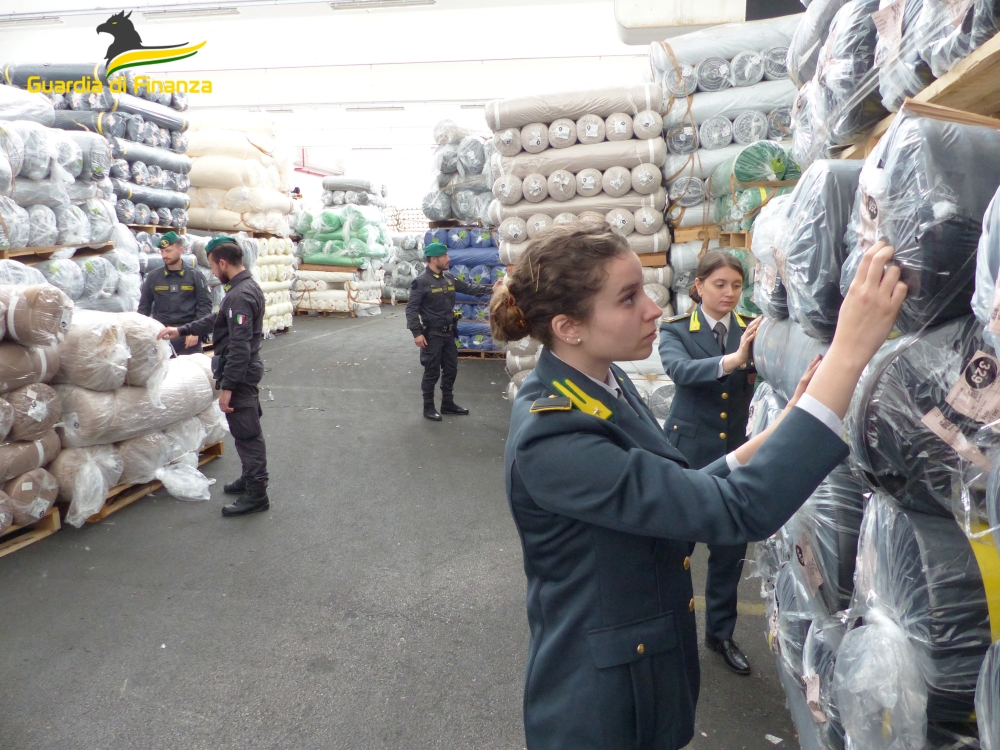
Wedged in the hills northwest of Florence, Prato is billed as Europe’s largest textile manufacturing hub, hosting more than 7,000 textile and garment companies that register some €2.3 billion euros (RM11 billion) in official annual exports. Over 4,400 of firms are Chinese owned, local authorities say.
Almost a quarter of its residents are foreigners, the largest ratio in Italy, but the percentage is likely much higher as many newcomers are illegal immigrants without work permits.
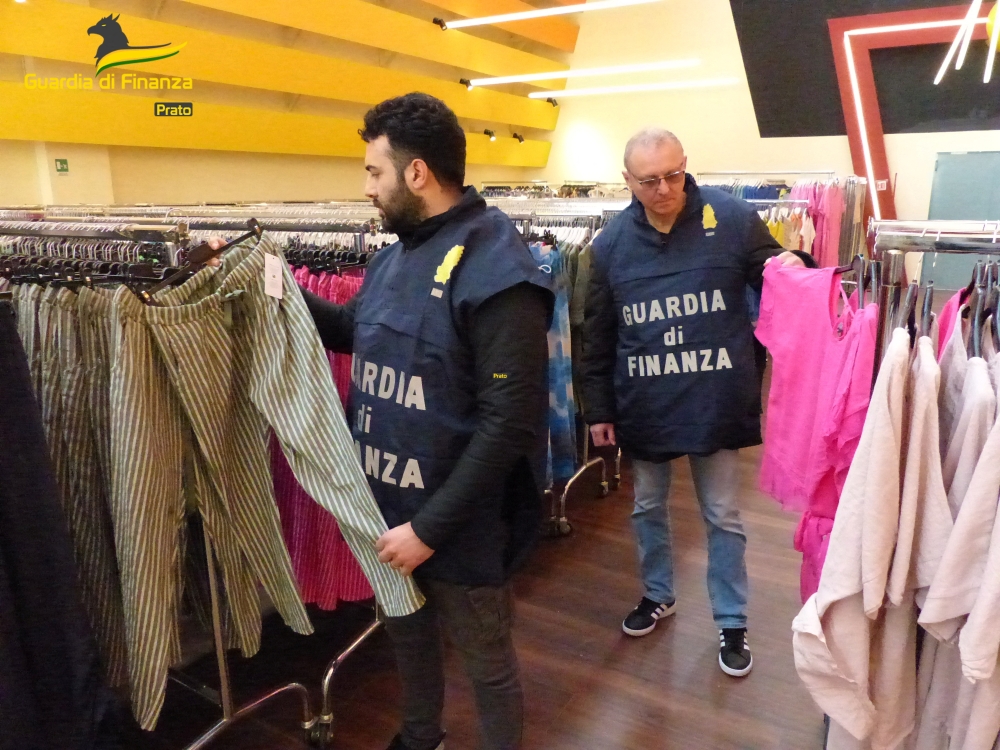
Prato’s streets are lined with Chinese-owned workshops, warehouses, and businesses that have transformed the city into a global fast-fashion production centre, and a flashpoint for violence linked to criminal networks.
The China Truck investigation closed in 2018 with prosecutors alleging that the 58 suspects had formed “a criminal association equipped with very significant financial means... with support and resources abroad”.
Seven years on, not a single defendant or witness has been called to testify.
Meanwhile, the alleged mastermind Zhang Naizhong, described by investigators as a “boss of bosses”, slipped back to China in 2018 after he was released from pre-trail custody and prosecutors doubt he will ever return to Italy.
His Italian lawyer Melissa Stefanacci declined to comment on any aspect of the case. Zhang and the other suspects have pleaded not guilty.
Murders, stabbings, arson and bomb attacks
The case emerged from what Francesco Nannucci, then head of Prato’s police Flying Squad, described to Reuters as a war between two rival gangs, one made up of Chinese originally from Zhejiang and the other of Chinese originally from Fujian, for control of territory in Europe.
Despite keen police interest and multiple investigations in Prato, the gang violence has escalated in the past two years.
In July 2024, a Chinese businessman based in Prato was stabbed multiple times by a group of six men, including a former soldier, who had flown in from China “to protect, through violence, the business interests of the monopolistic group in the coat-hanger sector,” prosecutors said in a statement.
All six were arrested and sentenced to 7.5 years in jail for attempted murder.
In April of this year, Zhang Dayong, Zhang’s alleged right-hand man who was also charged in the China Truck case, was shot dead in Rome alongside his girlfriend. No-one has been arrested for those killings.
Tescaroli said emerging companies often with the prefix “Xin” – meaning “new” in Chinese – were trying to undercut established players, selling hangers at about 6 cents each compared to the previous market rate of about 27 cents.
“Since the volumes are vast, a few cents of margin on each piece guarantee gigantic profits,” he said.
Textile trade marked by corruption, labour abuse
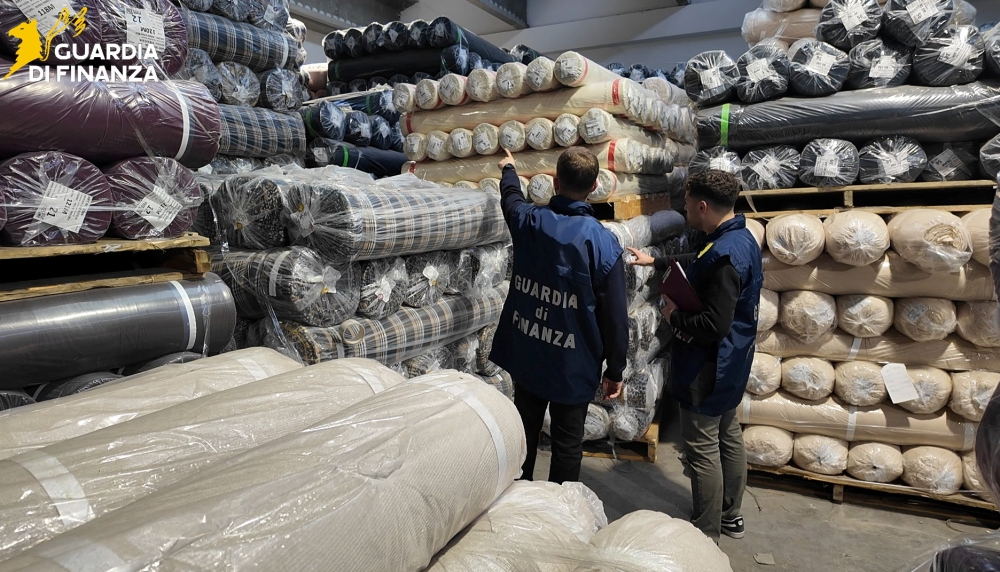
Chinese businesses in the textile district have long operated within what investigators call the “Prato system”, marked by corruption and irregular practices, including labour and safety abuses as well as tax and customs fraud. These companies can appear and disappear overnight, engaging in a cat-and-mouse game with authorities to dodge taxes and avoid having to give workers proper contracts, according to Arturo Gambassi, a representative from the Sudd Cobas union, which defends workers’ rights in the textile sector.
“In all the firms where we have initiated labour disputes, we saw that their business name had changed in the previous two years,” he told Reuters. Police say fabrics are often smuggled in from China to avoid customs duties, while profits are sent back through illicit money-transfer channels, with up to 4 million euros shipped out of Rome’s Fiumicino airport each week, according to prosecutors and police.
To maintain their competitive edge, the industry depends on cheap, round-the-clock labour, largely from China and Pakistan, with workers facing a backlash if they seek legal contracts.
On November 17, more than 15 Chinese citizens assaulted a union demonstration in Prato. Plain clothes police who were observing the protest were also attacked, with two officers needing hospital treatment, a police statement said.
Italian prosecutors succeeded in dismantling major Italian mob networks, notably Cosa Nostra, in part thanks to legislation introduced specifically to tackle the mafia.
The official mafia designation carries stiffer sentences and lets courts infer membership from conduct, a key advantage when prosecutors must overcome silence and intimidation.
Tescaroli is trying to get the courts to brand the Chinese gangs as mafia groups, but Barbara Sargenti, Italy’s national anti-mafia prosecutor, questioned whether this would happen.
To establish that there is a Chinese mafia, Italy needs to map these organisations either from inside sources or with help from judicial and police authorities in China.
Sargenti said cooperation with China was proving “very difficult” and, so far, only one Chinese citizen had turned state witness within Italy, in a drug-related case.
Sargenti said China’s police and judicial authorities had been in touch with Italy’s justice ministry in recent months, saying it was willing to send officers collaborate with the Italians but there had been no follow up.
“Investigations are, let’s say, very complicated,” she said. Without the mafia designation or Chinese cooperation, Tescaroli’s case in the China Truck trial relies on the fragile scaffolding of Italian procedure, and the willingness of translators to show up.
After the Tuscan interpreters made themselves unavailable, two new translators were appointed on November 17 – Chinese citizens from the northern port city of Genoa, outside Tuscany.
But court officials aren’t claiming victory, yet, with the new translators saying they could not guarantee they would understand the dialects captured in phone taps that form crucial evidence in the case. The next hearing is scheduled for May 15. — Reuters


