


SINGAPORE, Nov 7 -- The National Gallery Singapore is turning 10 this year and in this period, the gallery has accumulated the world’s largest collection of Singapore and South-east Asian modern art.
The ongoing exhibition, titled “Between Declarations and dreams: Art of Southeast Asia Since the 19th Century”, is a showcase of over 300 artworks from artists in this region dating from the mid-1800s.
According to curator Goh Sze Ying, the exhibition showcases a collection of between 300 to 350 artworks that were collected over the last 10 years.
“We have been collecting and doing research on other South-east Asia artworks so currently, we now have a collection of 12,000 artworks in total,” she said.
She said the permanent exhibition, since it was introduced in 2015, represented the loose chronology of the art history of the South-east Asian region starting from the 19th century to now.
“A large part of the narrative of this exhibition hasn’t really changed in these 10 years but with our large collection, some will find their ways into the exhibition through rotations, where we make small changes,” she said.
She said it was not easy to map the chronology of the changes in the region’s art as it progresses but as visitors move from one gallery to another, following the themes of each gallery, the changes are apparent.
There are four main themes in the exhibition starting with “Authority and Anxiety” that depicted the drastic cultural and political changes of the 19th century.
This was a period when most of South-east Asia was under the control of European colonial powers that directly impacted their way of life and local political power.
Siam (now Thailand), although it was never colonised, was also affected by colonisation in the region where the West influenced the kind of art that was produced.
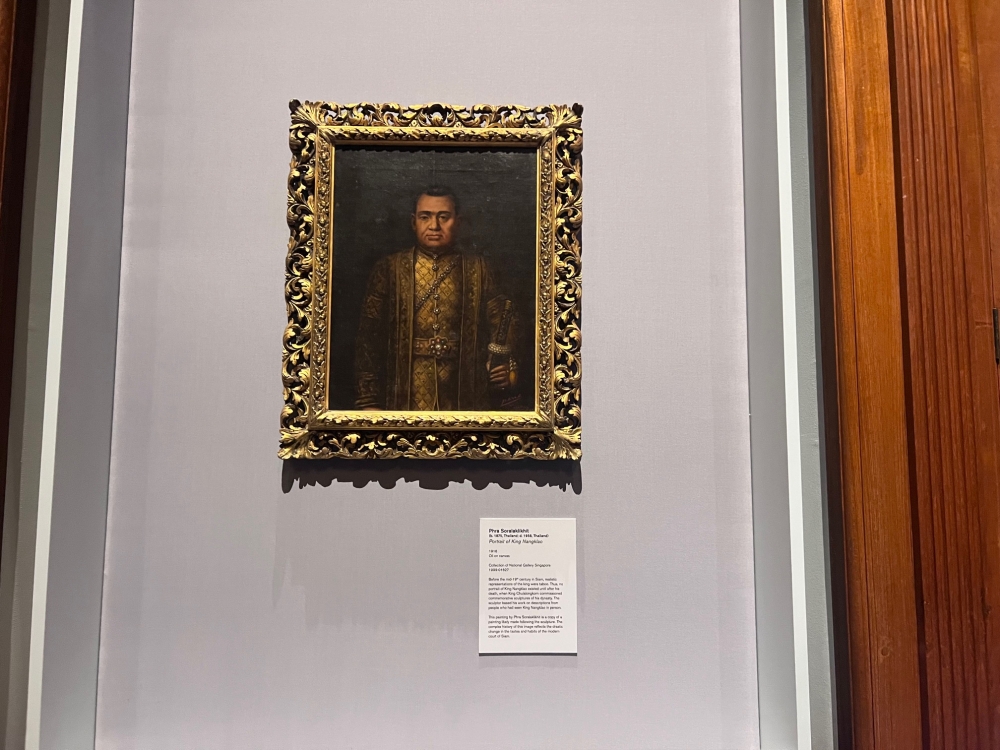
One of them was the beginning of royal portraits in Siam, such as the Portrait of King Nangklao by Phra Soralaklikhit, when culturally, it was a period when the common people were forbidden from looking at the King.
This was also a period when artists began to make use of new tools and styles, with apparent influences from the West.
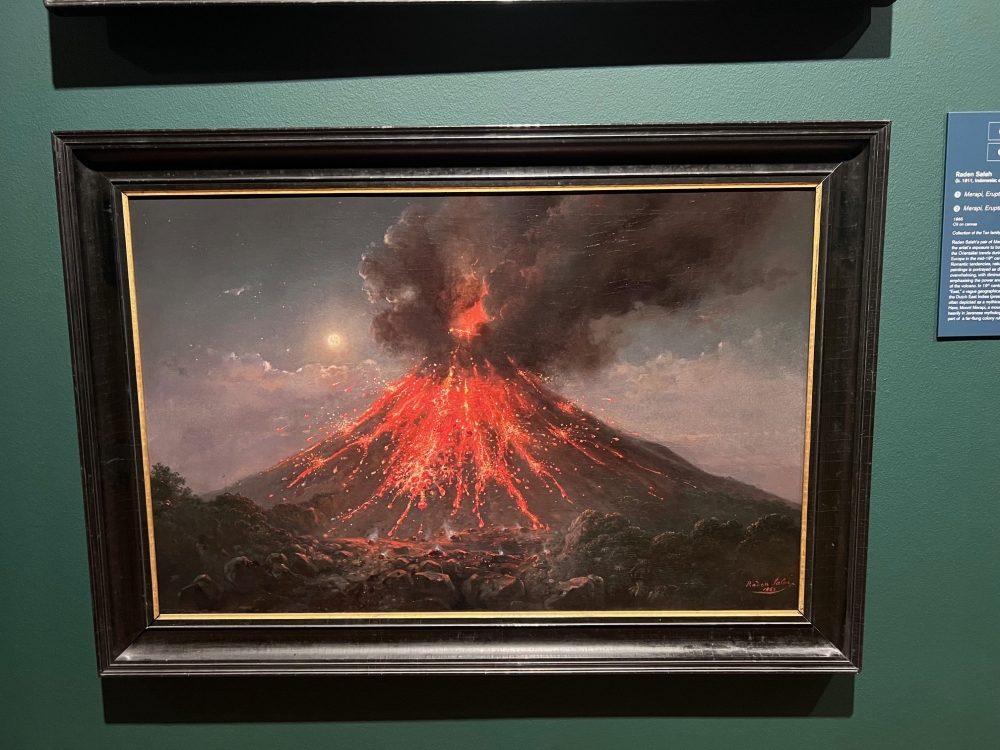
Among the artworks to note in this section is the massive 300 by 396cm oil on canvas by Raden Saleh, Boschbrand (Forest Fire) circa 1849 and España y Filipinas (Spain and Philippines) by Juan Luna.
In the next gallery, under the theme “Imagining Country and Self”, the artworks displayed are from the early 20th century.
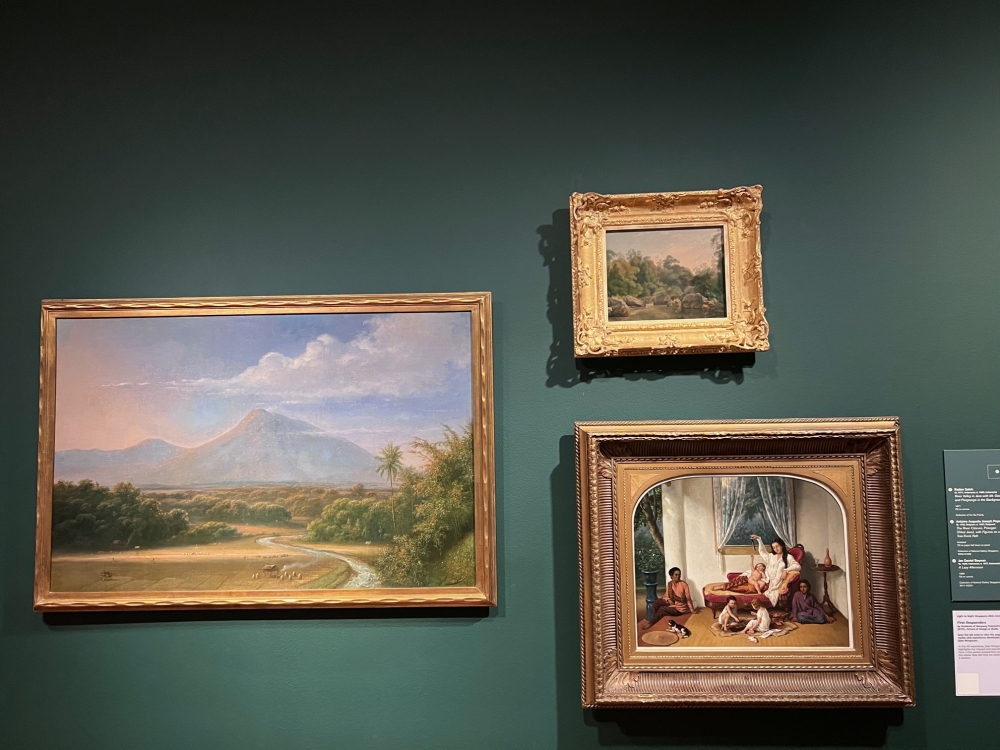
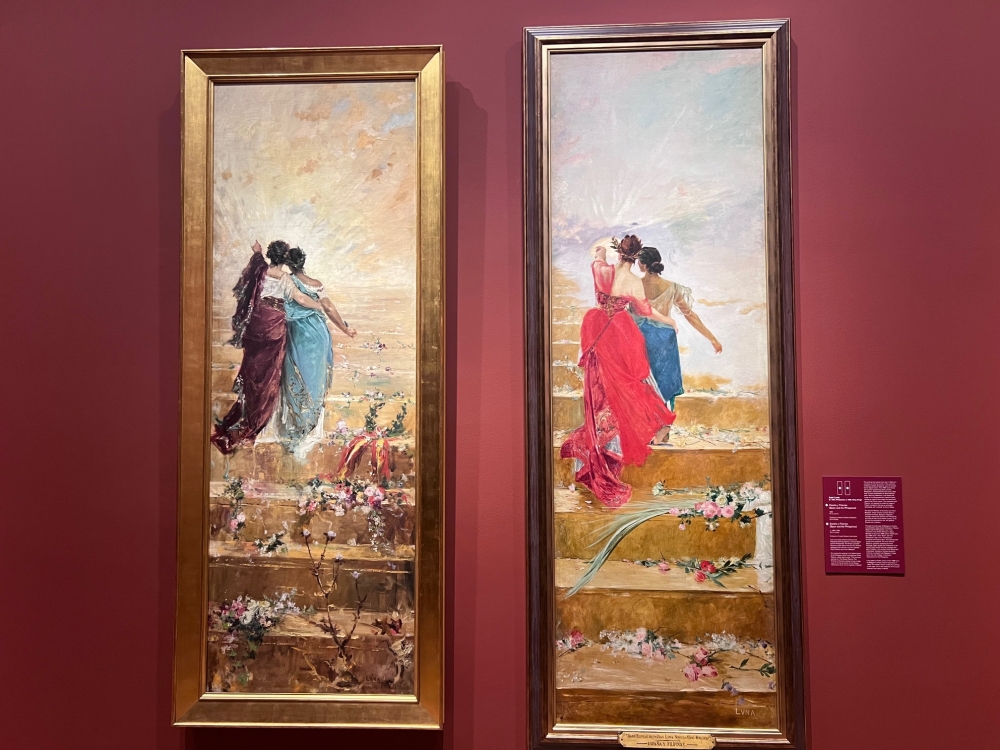
The existence of colonial power led to increasing calls for independence and reform so these works featured a deeper sense of nationalism while at the same time, these artists are expressing themselves through innovative forms.
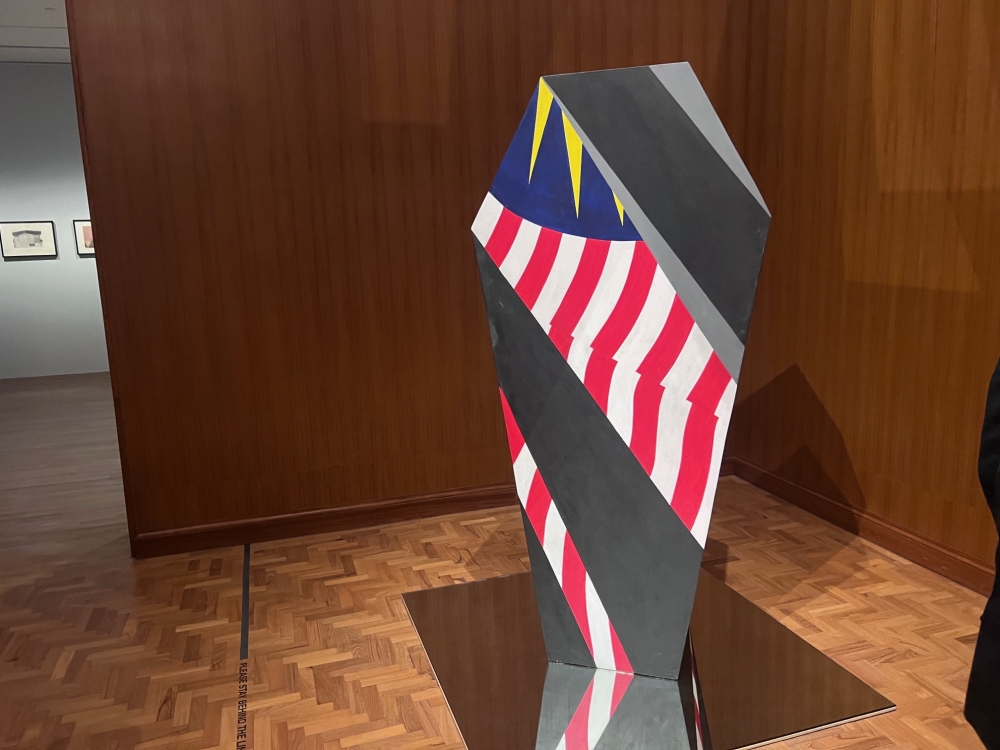
The third theme, “Manifesting the Nation” is a showcase of how the artists responded to nation-building after the Second World War while at the same time, exploring international artistic trends such as abstract art.
Finally, in the last section, in “Re:defining Art”, the narratives presented by the artists looked at traumatic memories and gave fresh perspectives about power, postcolonialism and feminism.
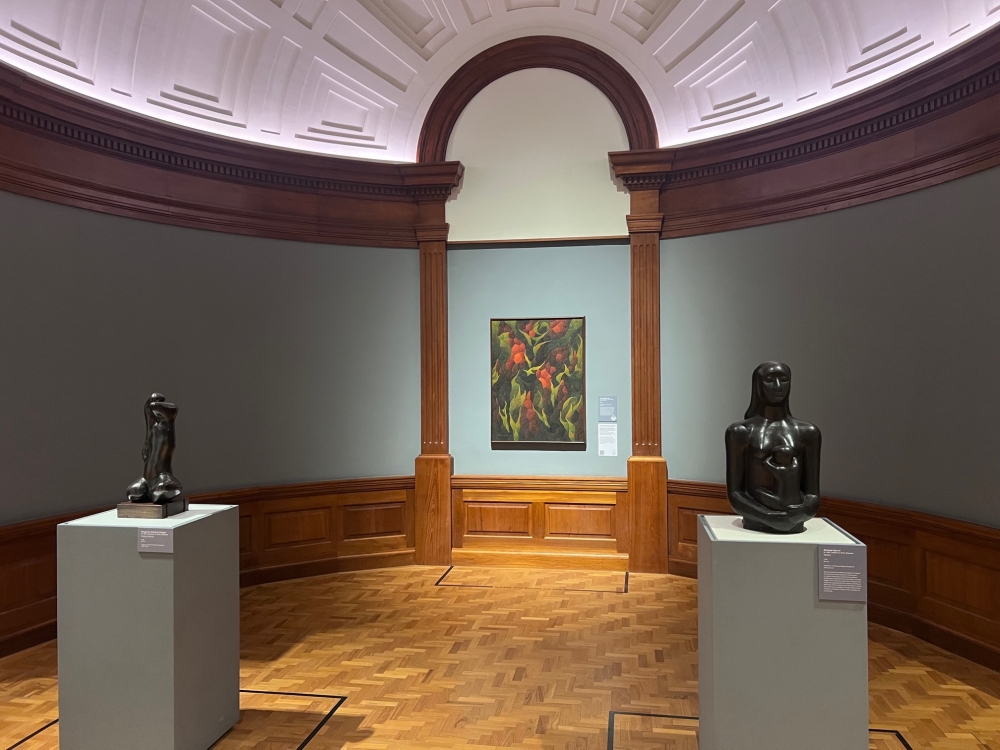
These are works after 1970 that went beyond paintings and sculptures but instead saw a wider range of approaches that included multimedia works and installations.
This was a time when the artists also started experimenting with other genres such as video, photography and performance.
The exhibition is open daily at the National Gallery Singapore from 10am to 7pm.


