


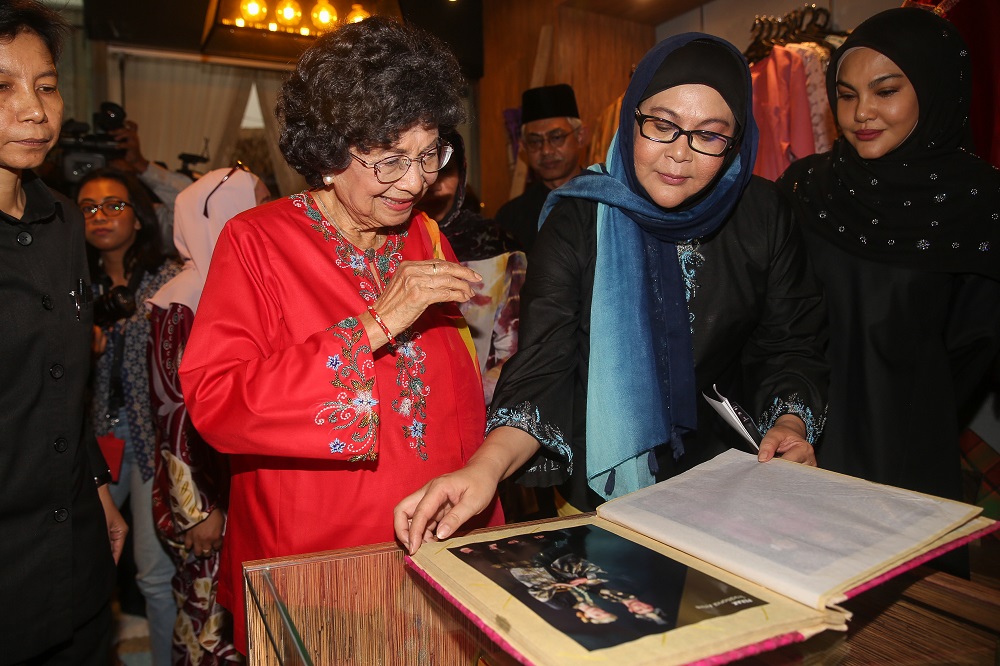


KUALA LUMPUR, May 2 — Traditional clothes like the baju kurung should continue to be appreciated and worn by Malaysians, said Tun Dr Siti Hasmah Mohd Ali.
“Nowadays when I attend events for Ramadan and Raya, I see a lot of people wearing the jubah (robe) and I would think to myself, ‘Wow so many Arabs here but they’re actually Malays’,” said the prime minister’s wife in her speech when launching the Culture House at KL Tower recently.
“I know the jubah is comfortable for attending terawih prayers and such but what’s wrong with the baju kurung? It’s also comfortable. I’m a fan because it’s easy to wear and doesn’t require a kerongsang (brooch).”
On top of traditional clothes, Dr Siti Hasmah also said Malaysia was rich with folk songs and dances which she hoped would make a comeback.
“Back in the day, it was common after a formal event to go on the dance floor and dance the minang, rambong or joget.
“Of course, these are non-contact dances, unlike the waltz or foxtrot. What’s wrong with that?” she said, adding that she preferred evergreen songs by the likes of P. Ramlee over contemporary pop music.
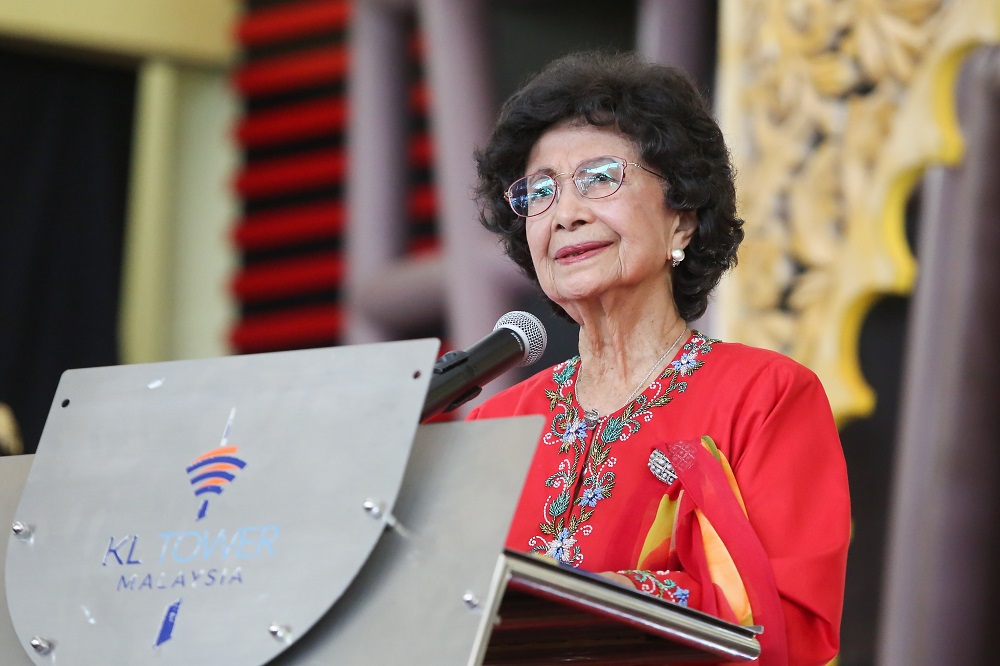
The brainchild of actress, producer and director Erma Fatima, Culture House at KL Tower is a one-stop centre to showcase the best of Malaysian life to tourists through costume rentals and to champion homegrown products and handicrafts by small and medium enterprises.
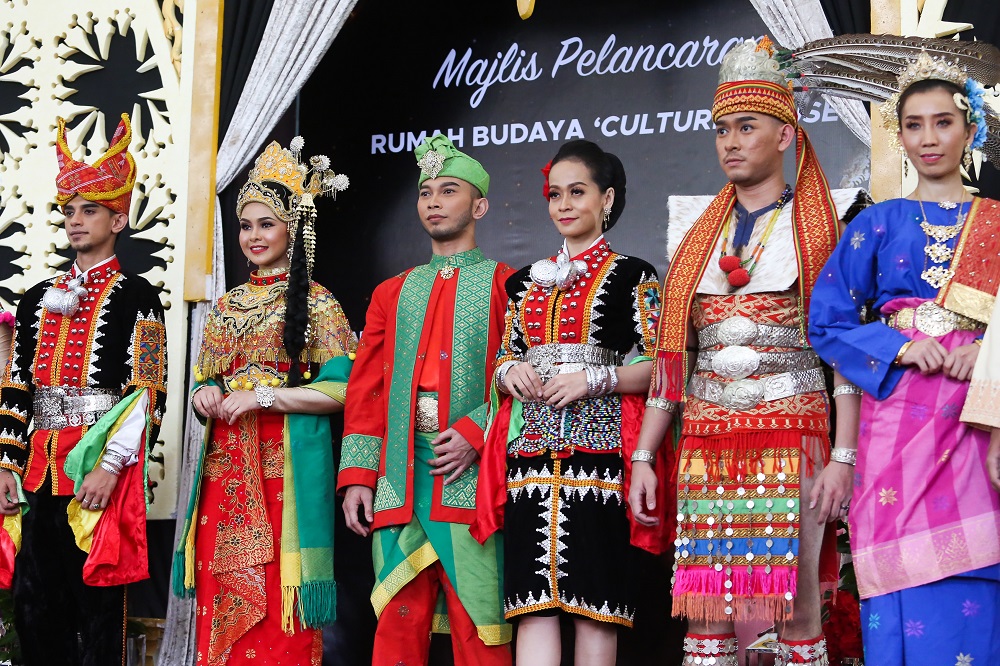
The attraction also allows tourists to rent and wear traditional Malaysian costumes while exploring the seventh tallest telecommunications tower in the world.
She also urged Malaysian women to wear traditional attire when attending functions overseas.
“We have a lot of culture and art due to our ethnic diversity with their own set of customs.
“There are a lot of ways to show tourists our culture and one them is through our traditional clothes.”
The 92-year-old also said she always encouraged Malaysians to bring along batik or songket on their travels.
One to walk the talk, Dr Siti Hasmah recalled in the 1990s when she accompanied her husband on a trip to the United States during the United Nations General Assembly, she and some 40 representatives from Wanita Umno were wearing traditional outfits.
“We were at the waiting area and lots of people stopped us to ask where we were from because of our attire,” she said.
Dr Siti Hasmah said she and her female entourage were also stopped in the fashion capitals of London and Paris while dressed in batik.
“Someone asked us, ‘Excuse me, ladies, where are you from?’ and I would reply ‘Guess where we are from?
“The person said ‘Well, I was in Kuala Lumpur a few weeks ago and saw some ladies wearing the sarong’. So you see, people know our country from this,” she said.
Clad in a striking red baju Kedah, Dr Siti Hasmah took the opportunity to share a little about her outfit of choice before the launch.
“It’s not a garment one normally wears out of the house but something all the makcik (aunties) would wear at home while cooking or when doing their chores,” she said of the Malay loungewear equivalent.
“But because it’s easy and practical to wear, we’ve now adapted it to be worn outside the home with all sorts of patterns and beadworks and has become a fashion item.”


