


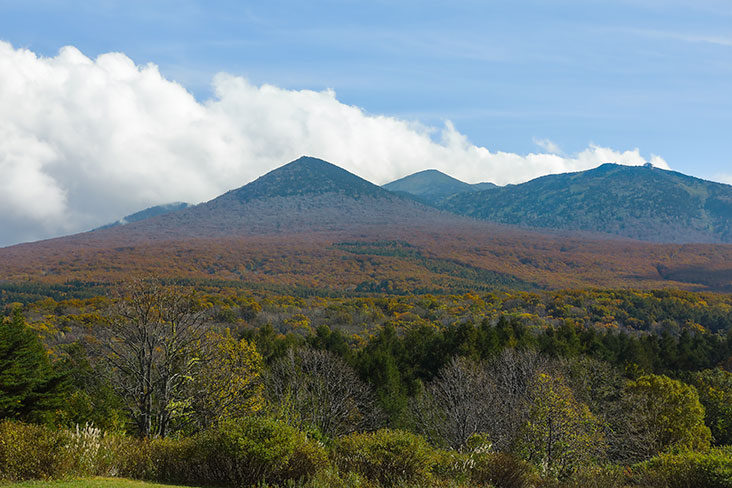
HAKKODA (Japan), Oct 28 — Clouds and colour burst forth, enfolding the gentle slopes of Mount Hakkoda in Tohoku. Meaning “North East Region”, Tohoku in the north of Japan’s largest island of Honshu is known for its arresting mountains and lakes. Come autumn, these geographic features wear a brilliant new coat.
We depart on our exploration of Hakkoda from Yakeyama. There are no trains running directly within this mountainous region, so the choice is between renting a car or taking the JR Tohoku bus, which is what we do. The bus stops at various scenic points along the way, so it’s a matter of hop-on, hop-off, depending on what piques your fancy.
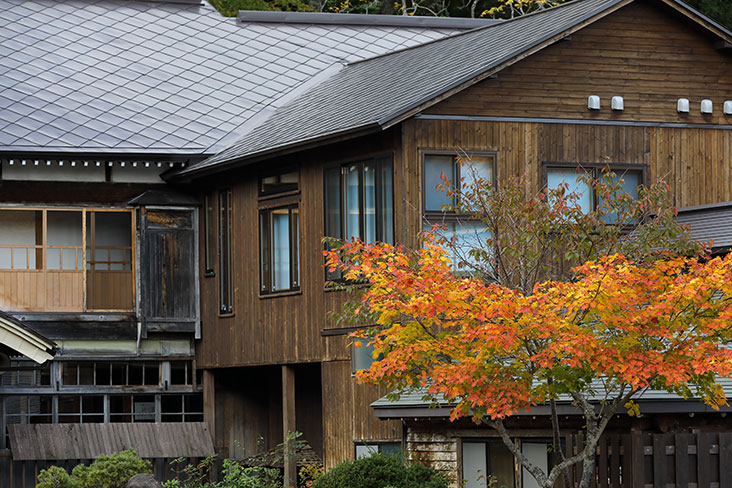
Even Yakeyama, a nondescript town that serves as the entry point for the Hakkoda trail towards the north and the Oirase Stream hiking route further south, is starting to see some colour. Most visitors here are domestic tourists, which means the region caters almost exclusively to the Japanese. Regardless of whether one is local or foreign, the lure of red leaves blazing is universal.
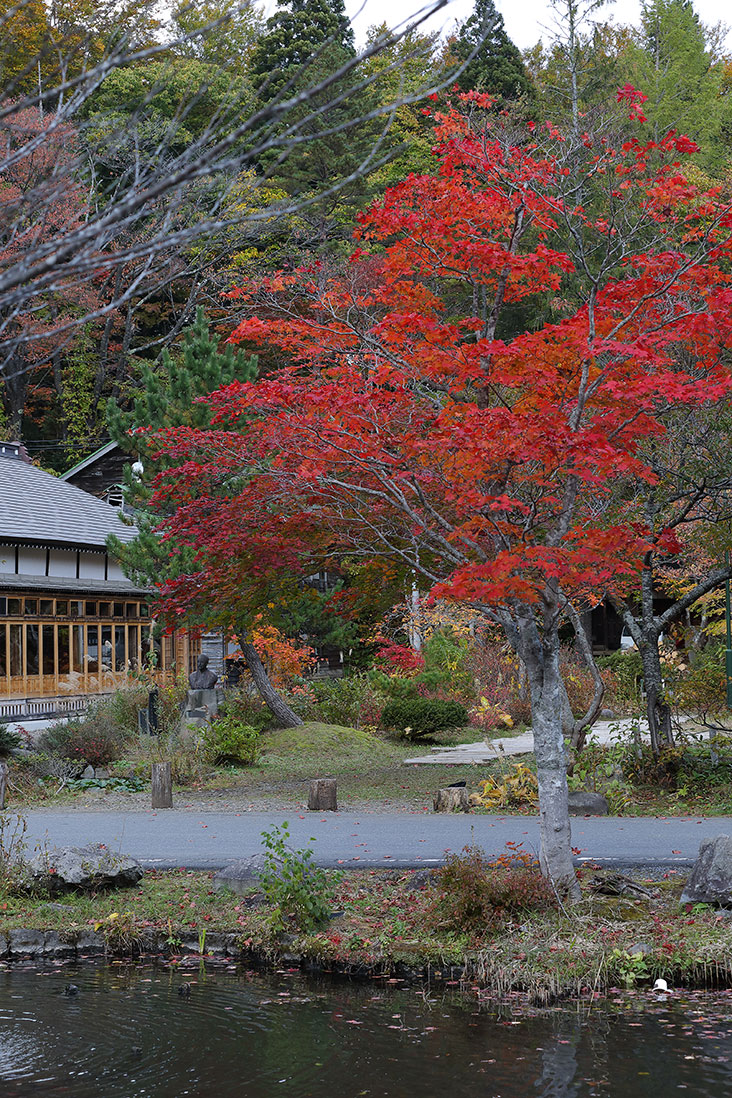
In Japan, the practice of viewing autumn foliage or koyo is a time-honoured tradition. It is also more forgiving than the cherry blossom season in spring which may last for only a week; catching sight of stunning leaves during fall is a lot easier, especially since we are travelling across a swath of varying altitudes.
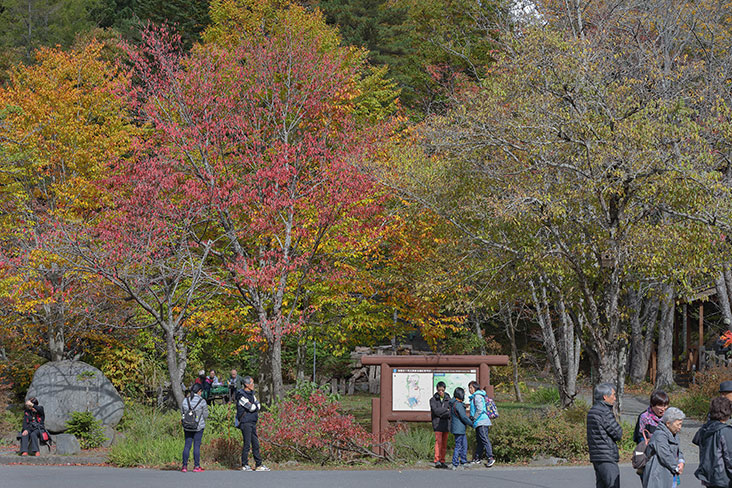
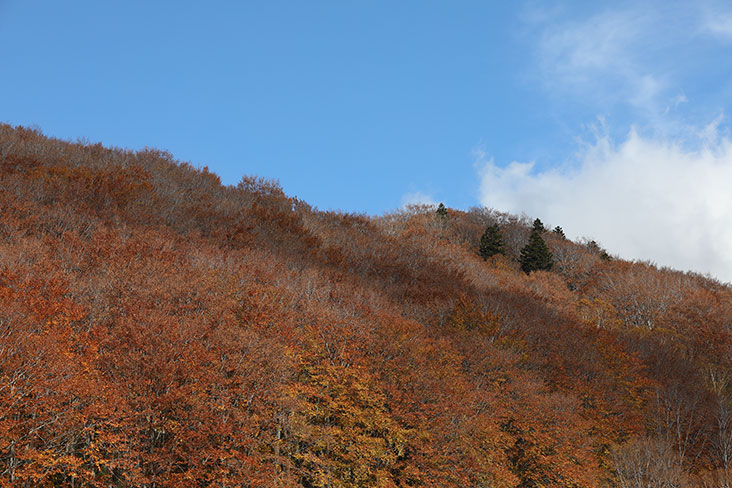
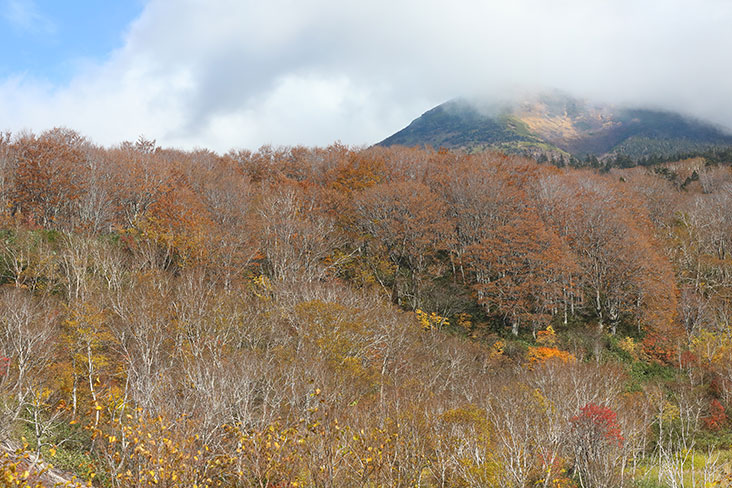
It is late October, so higher spots such as the summit of Mount Hakkoda would already be past peak koyo viewing. This can be a boon, as there is a dramatic progression of silvery bare branches from the top to the fiery colours closer to the base.
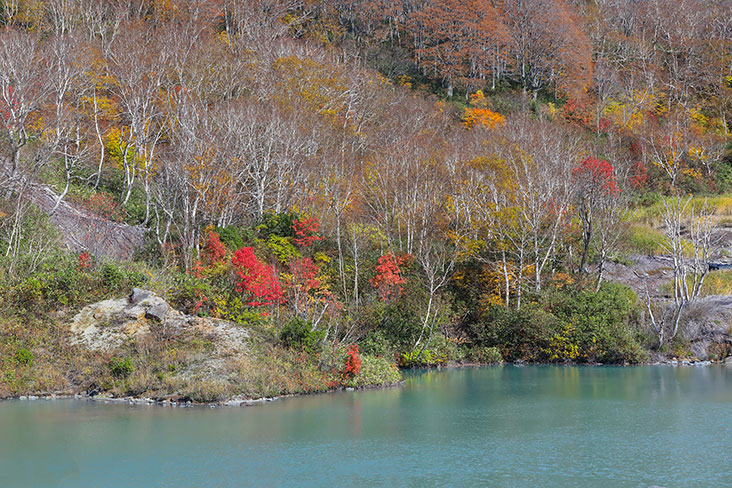
We soon pass by Jigokudani Lake, its cerulean waters appearing murky at certain angles from the minerals in the hot springs. Sulphurous notes can be detected; little wonder such ponds and lakes are also known as “hell on earth” by the locals, thanks to the brimstone-like vapours. Oh, but what a beautiful hell this is!
Next up is a series of onsen or Japanese hot springs. These usually come with old-fashioned inns and in-house bathing facilities. The stops on the bus route is a litany of onsen possibilities: Tsuta-onsen, Yachi-onsen, Sarukura-onsen, Sukayu-onsen, Jogakura-onsen. While some of the onsens reserve bathing facilities for staying guests only, most are open to the public for a paid day entrance.
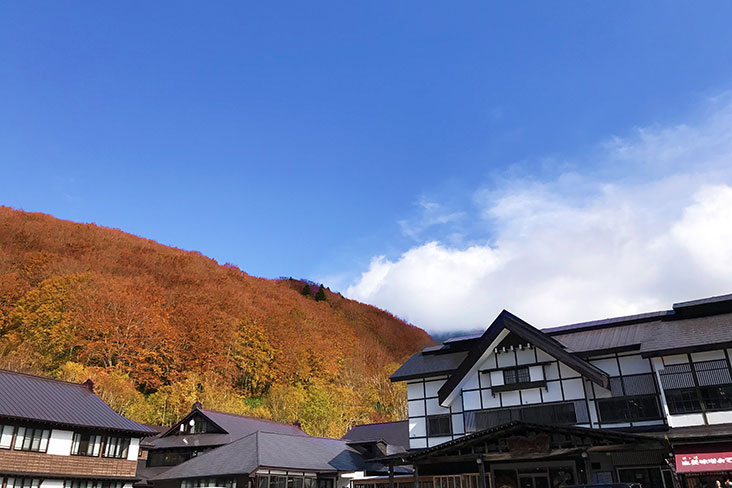
The tradition of communal bathing or mixed gender bathing may be a thing of the past in bigger cities such as Tokyo where nude mixed bathing is banned. Here in Tohoku, however, the old practice is still going strong. At Sukayu-onsen’s Hiba Sennin Buro, men and women bathe together albeit with a few constraints: when out of water, the men cover their privates with a small towel and the women have full-body towels to wrap around themselves.
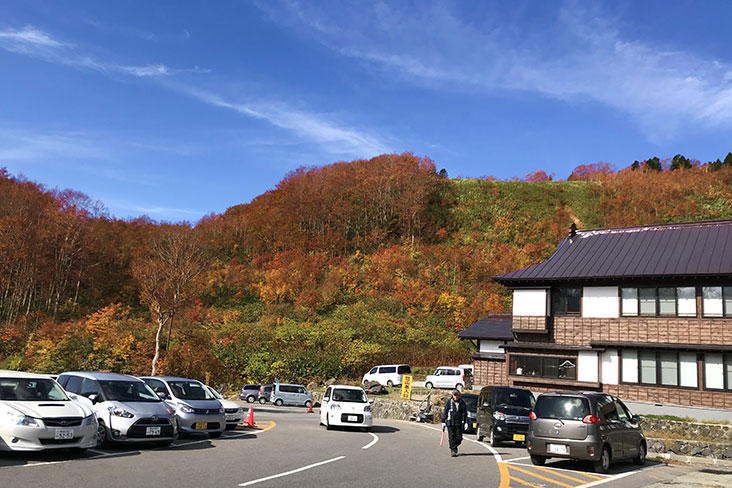
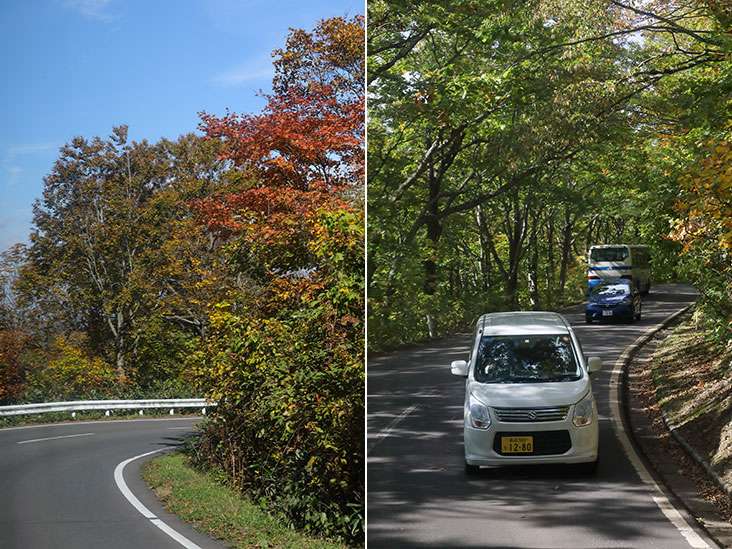
The woods around the onsen provide great hiking opportunities for the adventurous. Clearly marked trails lead to pristine autumnal splendour. Yellowing grasses of the marshlands nestled here and there, like hidden treasures. Mists drift across the peaks while the lower areas showcase the sides of the mountains in a riot of reds, oranges and gold.
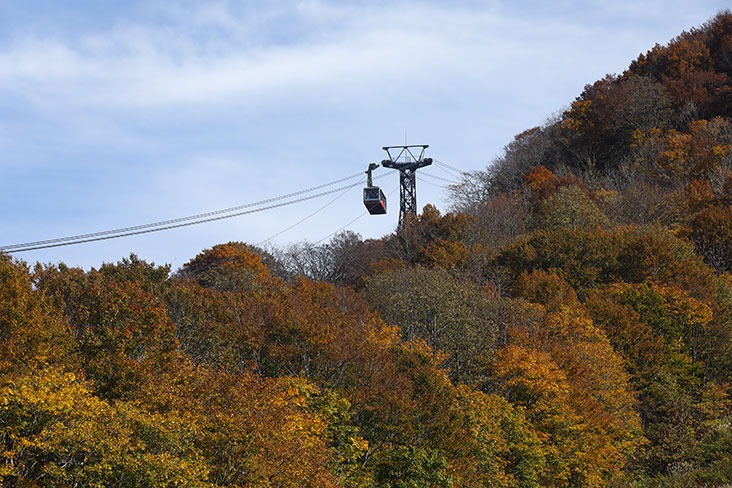
Further down the Yakeyama-Aomori route, the popular Hakkoda Ropeway awaits. By taking the 15-minute gondola ride to the top of Tamoyachidake, one of Mount Hakkoda’s many peaks, you are able to experience the autumnal forest enveloping its slopes. Simply remarkable.
Most visitors take the gondola — which fits up to 101 passengers at a go! — for their return trip but those with more time on their hands hike the trail downwards to the carpark in a leisurely manner. There’s really no hurry when there is so much to see. With leaves changing colour and then falling to the ground, autumn is a season for reflection, after all.
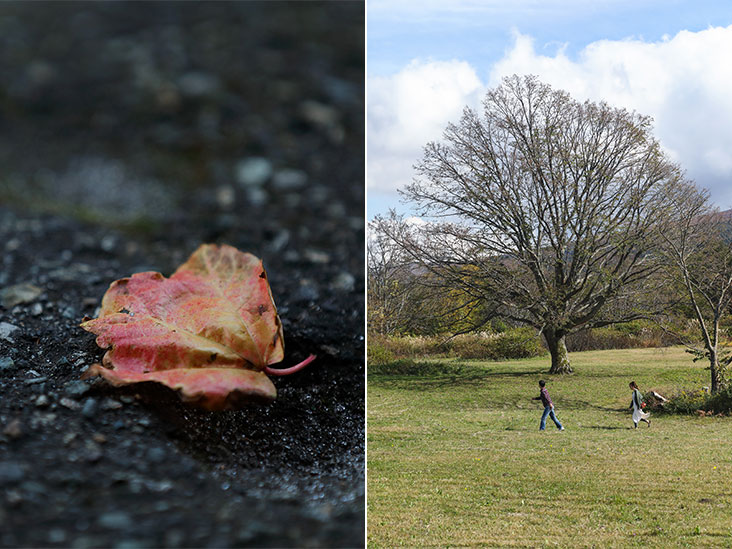
Sometimes the pace on the winding roads may slacken; some sections have more traffic, both cars and buses. Everyone drives more carefully, especially when there’s an incline. We don’t mind. This can be a blessing; the slowness allows us to better appreciate the subtle advance of autumn.
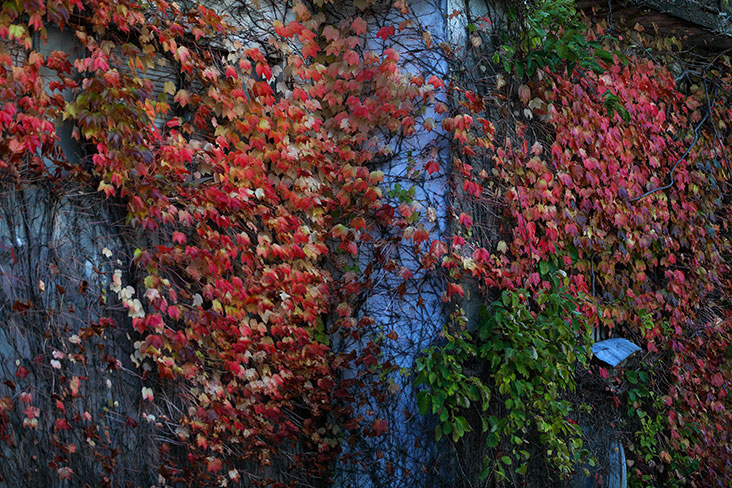
Don’t just look into the distance though the wildfire of autumnal colours may spread across the landscape invitingly. Closer inspection to details around us reveal beauty beyond the macro: a brick wall covered with red leaves, not unlike chain mail that lasts but a season; a single leaf on the ground, its hue in stark contrast to the soil on which it has landed.
Autumn is all around.
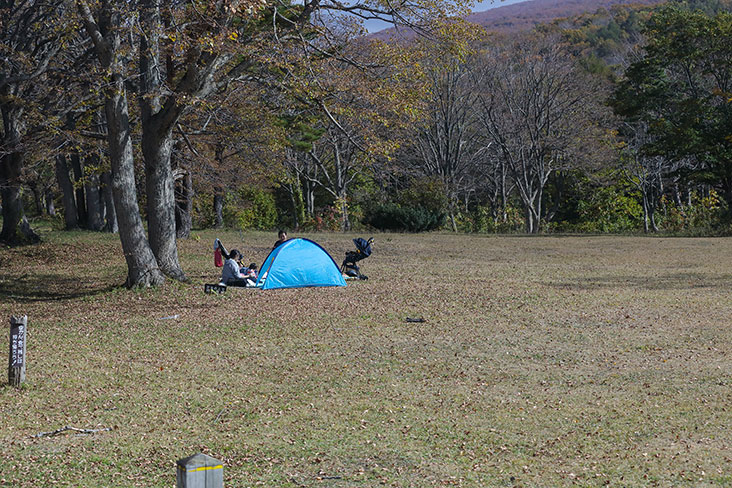
Past Mount Hakkoda, as we approach Shin-Aomori Station where shinkansen bullet train transfers to Sendai and Tokyo beckon, there are camp grounds near the base of Hachimori-yama. Here tents are pitched up and children run around in play. Plenty of hiking trails, easier ones perhaps compared to those closer to the Hakkoda Ropeway.
Not much sign of koyo here but we realise everyone is enjoying autumn all the same. Red leaves, orange and gold: these aren’t everything. Come for the koyo, stay for the serenity. It’s as good a reason as any.
Exploring Hakkoda
To travel from Yakeyama to Aomori, either rent a car or use the JR Tohoku bus. To ride the Hakkoda Ropeway, get off at the Ropeway Station (Bus Stop A21 along the JR Tohoku bus route). The bus schedule can be viewed at http://www.jrbustohoku.co.jp/route/detail/?RID=14


