





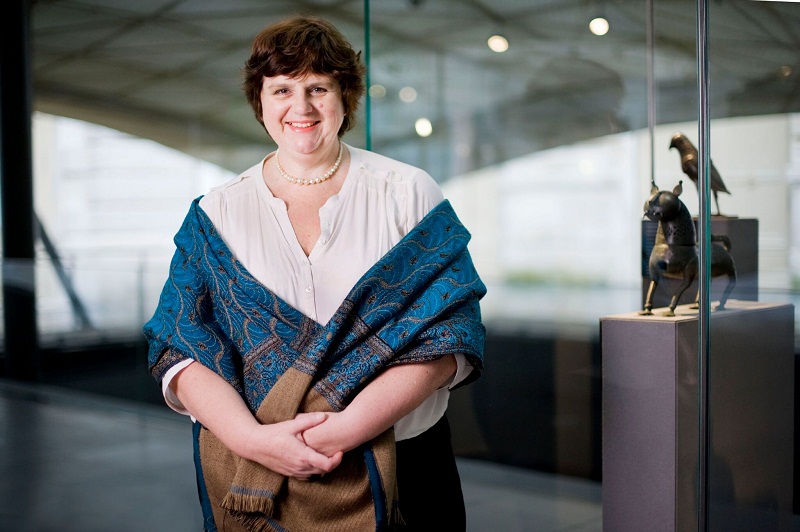


SINGAPORE, May 25 — The renowned Musée du Louvre arrives in Singapore this week, after a fashion, in the form of a talk by Dr Yannick Lintz, Director of the Louvre’s Islamic Art Department, as part of the Voilah! French Festival 2016 and the Asian Civilisations Museum’s efforts in connecting the cultures of Asia.
Lintz’s talk will be held on May 27, 2016, 3:30pm to 5pm, at the Asian Civilisations Museum’s Ngee Ann Auditorium and will deliberate on the new challenges Musée du Louvre faced in including Islamic art and culture within the Western framework of a universal culture museum.
Born in a small city near Strasbourg, on the border between France and Germany, Lintz grew up with a twin language and culture — both French and German — which may help explain her interest in cross-cultural questions.
“My early interests were in Ancient Greek Art, History and Culture, in the great tradition of Academic Studies in European cities,” she says. “It was the beginning for me of my interest in Oriental history. I also discovered museums and art at 16 years old with my History teacher in the Kunsmuseum of the city of Basel, near Strasbourg, in Switzerland. It was the beginning of my dream to work in a museum. Then I had to figure out how to combine my two dreams: Oriental civilisations and museum management.”
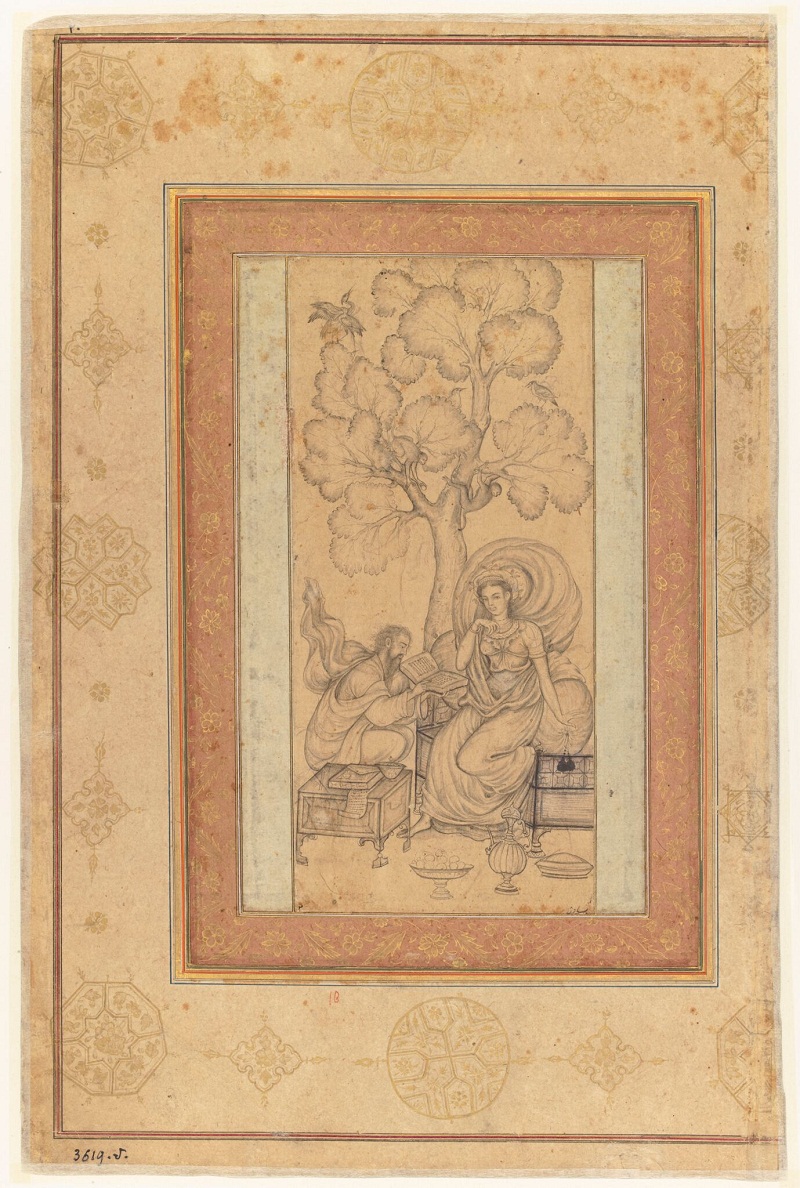
After graduating with a degree in Latin and Greek literature from the Institut National du Patrimoine in France, Lintz researched the Achaemenid Empire and Islamic Art History for her PhD. She says, “It is a natural continuity of my first interest about Greeks and their enemies, the Achaemenid Persians, with great Kings like Darius, Xerxes, and Artaxerxes that Alexander the Great finally defeated.”
Lintz has a fixed method for selecting pieces for a particular exhibition. She explains, “First we have to write a narrative of the story that we want to tell to the visitors. Then we have to find the best pieces that can illustrate the story. This step can take time to research the public and private collections, the known but also unknown pieces of art around the world. Then, we start negotiating with the owner of each piece. Sometimes, negotiation fails, and we have to find other solutions.”
In her long career, Lintz’s most memorable discovery was a painting found in a very poor state in the storage of the museum she was supervising in 1997. She recalls, “After months of restoration and research, it was established that it was a very important painting by the Italian Renaissance painter Tintoretto!”
Revealing such objects with great artistic and historical value is what drives Lintz. Of all the pieces from the Musée du Louvre that will be exhibited in Singapore, it is Chandelier signé Dawud ibn Salama al-Mawsili, a single candlestick in inlaid metal signed by an artist working in Damascus in the middle of the 13th century that she marvels at the most.
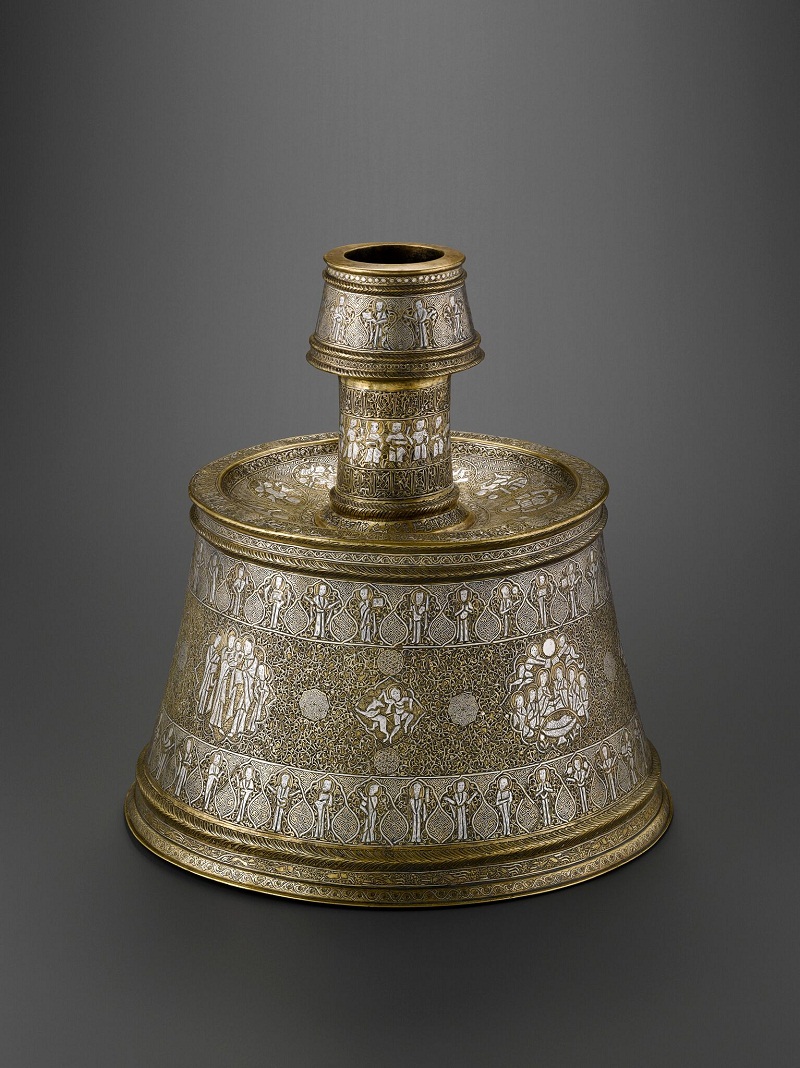
This invaluable artefact, along with other objects from Musée du Louvre, will be showcased in the Christianity in Asia: Sacred Art and Visual Splendour exhibition at the Asian Civilisations Museum that showcases rare artworks spanning eight centuries.
Lintz adds, “The artist Salama al-Mawsili certainly came from Mossul, as we can understand through his name ‘mawsili.’ These high quality metal wares with Christian iconography were certainly made for Christian aristocrats living in the Middle East during the medieval time. It reminds us also of the dramatic situation of humans and heritage today in this region of the world.”
Christianity in Asia: Sacred Art and Visual Splendour
Exhibition runs from May 27 to September 11, 2016 at Asian Civilisations Museum [1 Empress Place, Singapore]. Open Saturdays to Thursdays 10am-7pm and Fridays 10am-9pm.
Website: www.acm.org.sg


