


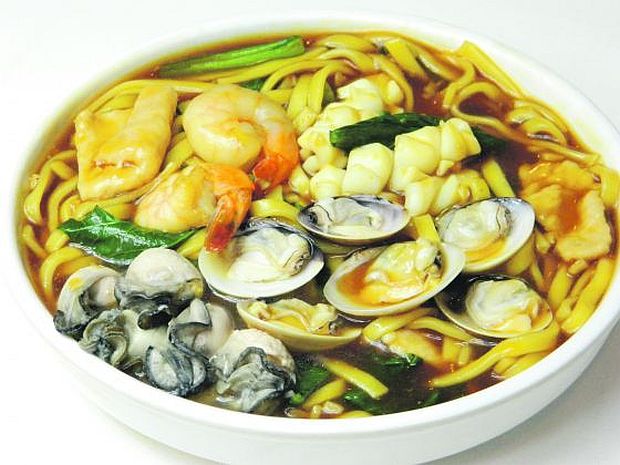


SINGAPORE, May 15 — Pulau Ubin may be synonymous with old kampung life, but for many Singaporeans, the island’s name is just as synonymous with good food. How else to explain the perennial popularity of restaurants bearing the Ubin name right here on the mainland?
At Ubin First Stop in sleepy Changi Village, generations of regulars traipse through its dulling sliding doors for a taste of old-style dishes such as chilli crab, ngoh hiang (five-spice pork rolls) and leather jacket fish braised with black beans and bitter gourd.
Similarly, at Ubin Kitchen along Joo Chiat Road, patrons go to tuck into traditional favourites such as Hokkien oyster noodles, kong bak pau (braised pork buns) and duck braised with sea cucumber.
And over at New Ubin Seafood, a younger clientele packs the joint for more contemporary fare. In its unpretentious setting, scores of food lovers sup on its grilled Black Angus rib eye steak and smoked pork collar.
How did these eateries work their way from their humble beginnings on Pulau Ubin into the hearts of food-obsessed Singaporeans?
For New Ubin Seafood and Ubin Kitchen, it all started with Ubin Restaurant, which opened in 1986 on Pulau Ubin’s north shore. Helmed by a certain Chef Guang and his mother, Ubin Restaurant served kampung-style seafood right on the water in a zinc-roofed building fronted by a wooden jetty.
When the Singapore government acquired Pulau Ubin in 1992, the restaurant closed and Guang teamed up with a group of shareholders to open several eateries throughout the mainland.
In 2006, though, the shareholders parted ways, and Guang and two of them opened Ubin Seafood at Joo Chiat Road. Another shareholder, Pang Seng Meng, opened New Ubin Seafood in a grungy Sin Ming industrial estate with his wife Michelle.
New Ubin Seafood
Initially, New Ubin Seafood served a menu of Singaporean-style seafood. Business was slow then and the Pang family often had dinner in the restaurant. “So one day, we were having beef for dinner and a customer sitting at the next table looked over and asked if he could order some,” recalled Pang’s son Alex, a lawyer who oversees the restaurant’s legal and business development aspects. “Since we had extra, we said ‘sure’, and that’s how we started serving the beef.”
The beef in question has since become the restaurant’s signature US Black Angus rib eye steak (S$13/RM38 per 100g), which is served with mustard, ketchup, potato wedges and caramelised onions. What comes after the beef is even better. The fat from the meat, which is removed before cooking, flavours a plate of rib-sticking fried rice.
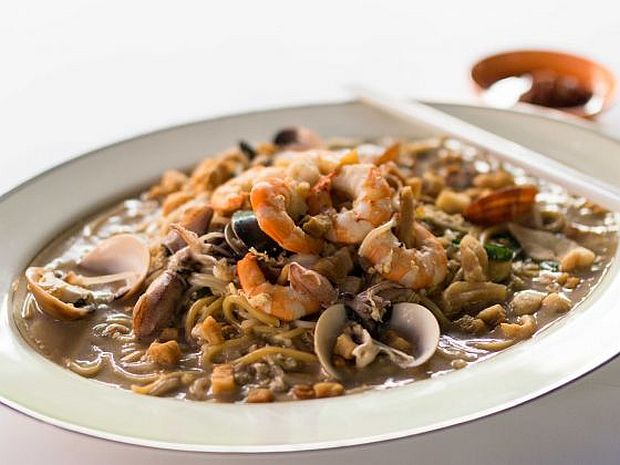
Alex describes the food at his family’s restaurant now as “Singaporean food”, which has no strict definition. “Our menu is eclectic,” he explained. “You have the traditional chilli, black pepper and garlic baked crabs, and the usual seafood and zi char offerings, but we also serve soft-boiled eggs with foie gras and truffle salt, and barbequed kurobuta pork ribs. To us, food must be good and shared, and eaten communally.”
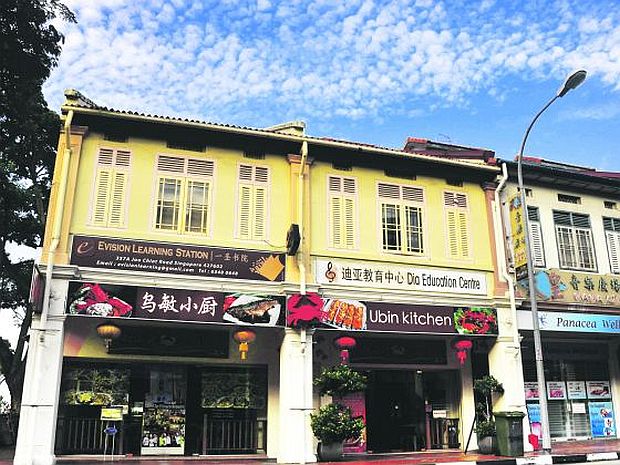
Ubin Kitchen
In 2011, Guang parted ways with his shareholders and sold his Ubin Seafood restaurant at Joo Chiat Road to Connie Loi, her schoolmate Koh Tai Poo and her brother Benson Loi. Guang then opened Ubin Seafood at Greenwood Avenue but closed it a year later and he reportedly retired.
Connie continues to run it under its new moniker Ubin Kitchen, which reflects Pulau Ubin’s old world charm in the salvaged wooden planks that line its walls and rustic adornments made from oyster and bamboo clam shells.
While the restaurant still makes dishes such as chilli crab the way Ah Guang (as Connie refers to him) used to, what draws regulars back to Ubin Kitchen are solid, old-school dishes such as hae cho (prawn rolls), kong bak pau (braised pork buns), and orh ni (yam paste) with pumpkin and gingko nuts.
One of its most popular dishes is the Hokkien oyster mee — flat wheat noodles braised in a superior stock with seafood and then topped with a handful of plump fresh oysters.
Pulau Ubin’s kampung spirit continues to permeate Ubin Kitchen, with its convivial vibe and jovial team of staff who Connie says makes her “very happy to come here every day”.
Ubin First Stop Restaurant
Its elevated structure speaks of a different time — held up on stilts, the dining room features faded wooden floorboards and yellowing walls accented by shades of lilac and orange. Owner Allaan Tan started the original Ubin First Stop Restaurant in 1990 on Pulau Ubin and its Changi branch in 2008. “Mainly to make it more convenient for customers,” said the restaurant’s general manager Joseph Chia. “Customers wouldn’t have to travel to Pulau Ubin to eat at the restaurant and they are not restricted by the ferry timings.”
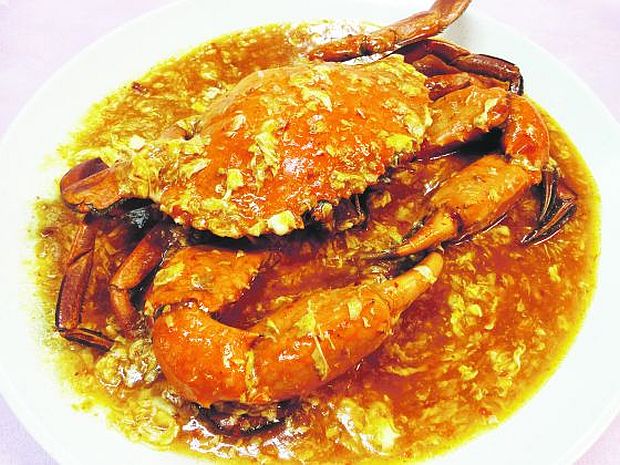
Allaan closed the Pulau Ubin branch in 2010 and his Changi Village restaurant has continued to thrive. The restaurant’s secret of success, said Chia, is in the spices it uses, which come from a farm on Pulau Ubin. “The chilli padi grown there is spicier and the taste of the produce is just better. Maybe because the soil there is more fertile,” he added. The fresh seafood served at the restaurant also comes from the waters around Pulau Ubin.
Generations of regulars return for classic dishes such as ngoh hiang, braised pork belly and sambal crab. The restaurant also makes a mean sambal belacan, which it bottles and sells for S$4.
Come June, however, when its lease runs out, Ubin First Stop Restaurant will leave the rustic charms of its current premises for a two-storey, 8,500sqft space at East Coast Seafood Centre. Chia said: “The look will still be quite rustic, but the new place will give us a chance to establish our brand name and play on the same level as the big boys.” — TODAY


