


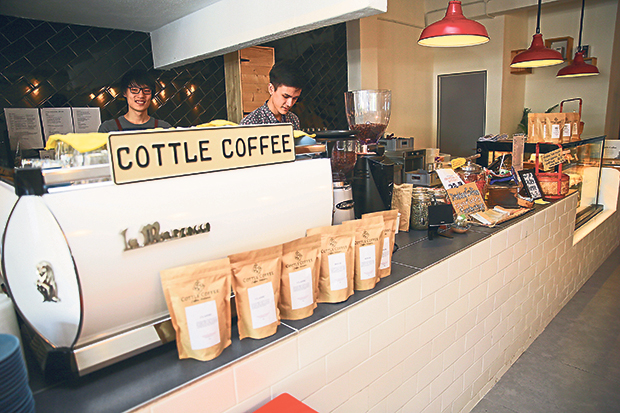
PETALING JAYA, March 13 — It all began with two tonnes of coffee that were grown by a hill tribe in the mountains of Chiang Mai. Former magazine editor and advertising agency owner Looi Miin Wei was on holiday with his wife when their guide brought them to the latter’s home, and showed the couple around the family’s coffee plantation.
Miin Wei ended up buying that amount, despite knowing next to nothing about coffee although he had long been a drinker and lover of the beverage.
“The plan at the time was to set up a roaster in Kuala Lumpur,” says Miin Wei, recalling that trip to Thailand more than four years ago. Before that could materialise, however, the couple moved to Melbourne with the aim to “not work so hard” and enjoy a better work-life balance.
Melbourne, as it happens, has a strong coffee culture and is often hailed as Australia’s coffee capital. Miin Wei began working at one of the city’s countless cafes. After a one-day course, he continued to brush up his barista skills on the job.
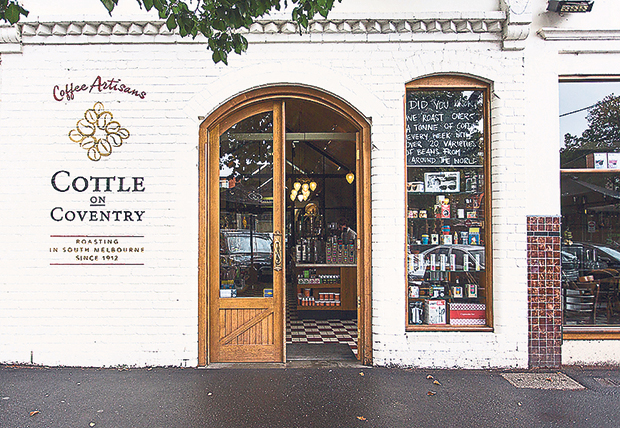
“You’re only taught the basics, the only way to learn is to be in front of the machine making coffee.” The cafe he worked at used beans from Cottle Coffee, among Melbourne’s best established roasters who supplies to over 200 cafes and restaurants throughout Australia.
Richard Cottle, current owner of the family-run company, had been looking to expand operations outside of Australia. Miin Wei and Richard met through John Hill, the General Manager of Cottle Coffee, and began discussing the possibility of setting up operations in Malaysia.
In late 2014, the trio made a trip here to suss out the local coffee culture, hopping from one coffee joint to the next for an entire week. Many cups and caffeine highs later, the decision was firmed up and Cottle Coffee Malaysia began taking shape, although it would take another year before the physical outlet came into being.
Damansara Uptown’s on-going rejuvenation, which is seeing an improved traffic flow, better street front design and a growing number of exciting dining options, made it the ideal address for 300 Coventry Street’s first international outpost.
Already, Cottle counts a couple of its “neighbours” as clients, including the soon-to-open Philtre Coffee. 28 Fireplace in Persiaran Ampang Hilir, Monjo in Cyberjaya and Chilli Express at Nu Sentral are among the cafes currently serving Cottle’s beans.
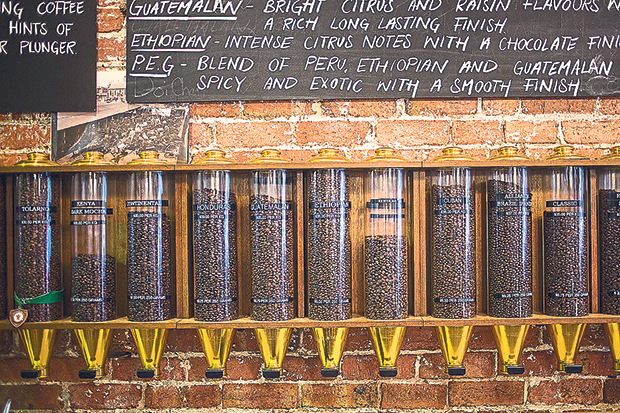
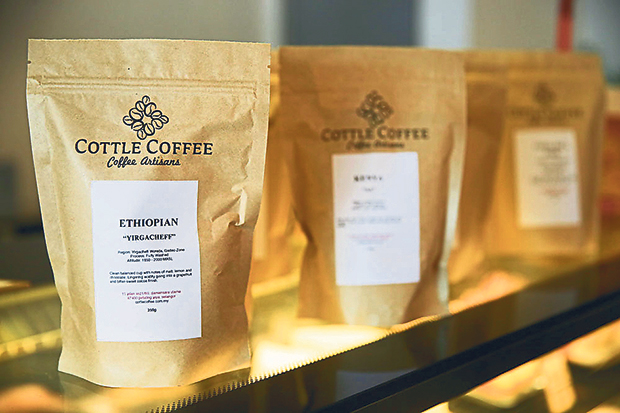
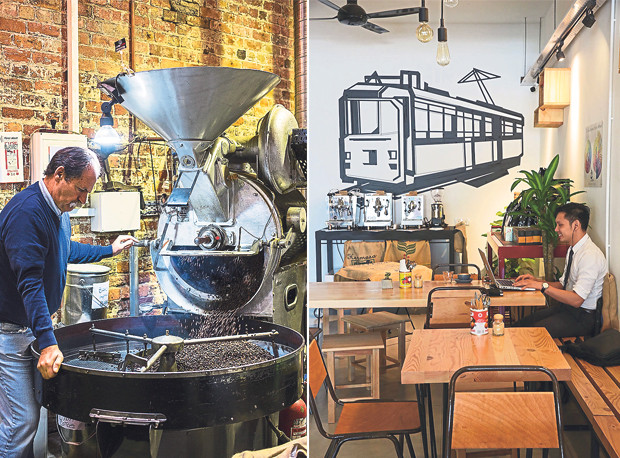
The roasting is still done in Melbourne, where Cottle churns out nearly two tonnes of coffee each week using an 80 kilogramme Menado and a UG22 Probate 10 kilogram.
Just like in Melbourne, Cottle has no plans to set up multiple outlets but will maintain one cafe at its premise. “The cafe is an outlet for people to come and try our coffees,” Miin Wei explains, “whereas our focus remains on the beans... sourcing, roasting and distributing them.”
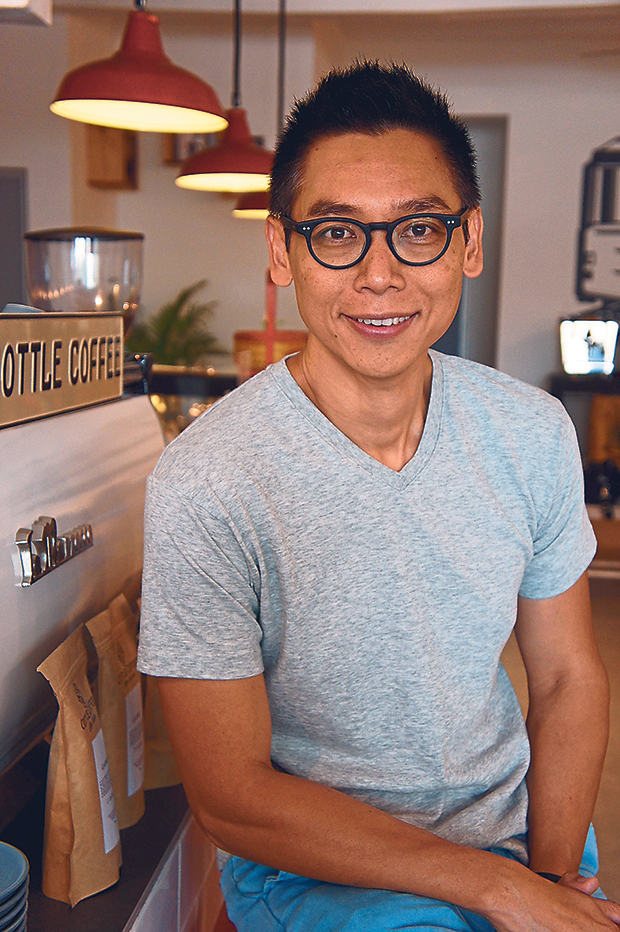
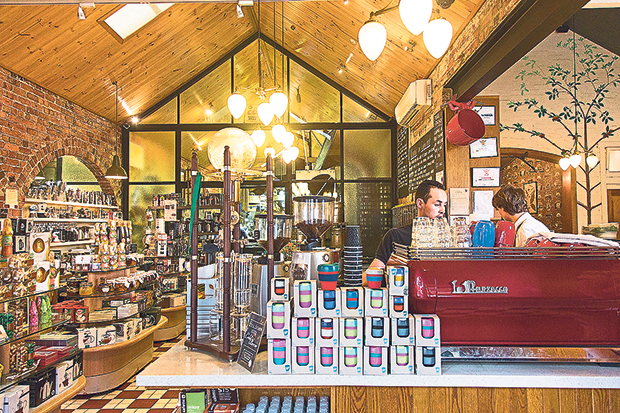
The cafe is also their wholesale hub and retail front, where customers can pick up bags of beans and coffee-making accessories. There are also home coffee machines for sale, displayed against a feature wall that sports a large tram that’s iconic of the brand’s city of origin.
Cottle uses only Arabica beans that are sourced from several parts of the world, predominantly South and Central America as well as Africa. They then carefully curate, roast to bring out the best attributes and create the best blends — something every roaster does, so what else do they bring to the table?
For starters, the company is rooted in a long history of coffee merchants and tea tasters, with Richard being the fourth such generation. In 1972, his father Bruce Cottle had bought over LD Lazarus, a roaster that dated back to 1912.
The company thus draws on decades of experience and expertise to produce and deliver the finest. That means paying attention to every step of the coffee production chain, starting from the basics: farming methods, soil conditions and cultivation of quality crops as well as harvesting times and techniques to the roasting and all the way to choice of milk and how their baristas are trained.
“There are a lot of variables in coffee growing and making. Some of our blends are 20-30 years old and we have to keep them consistent even while beans may differ slightly from batch to batch,” says Miin Wei. Roasting profiles and other details may need to be adapted in order to deliver the same satisfying cup of coffee to customers again and again.
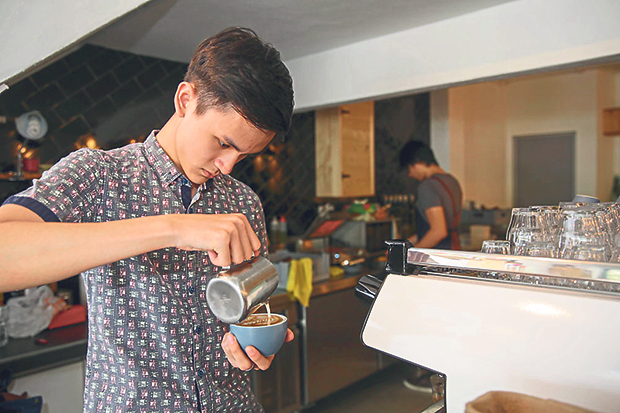
The milk for their white coffees, for example, is usually heated to 65°C for optimised taste and temperature, so you can sip your coffee as soon as it’s served without scalding your tongue. But on winter mornings in Melbourne, Miin Wei will up the temperature as customers want that extra heat to beat the chill.
There’s certainly a lot to think about where coffee is concerned, a host of technical minutiae the barista needs to figure out in order to produce that perfect drink. “That’s what I like about coffee – every little thing can affect the outcome. A big part of coffee making is science, and there’s also art in it. I’m drawn to the art... when I teach others, I like to guide them towards using their senses.”
Education is another area of Cottle’s emphasis, and they will host regular cupping and other coffee-related workshops. For regular coffee drinkers who just want a good cuppa, the cafe serves a variety of their blends as well as single origins.
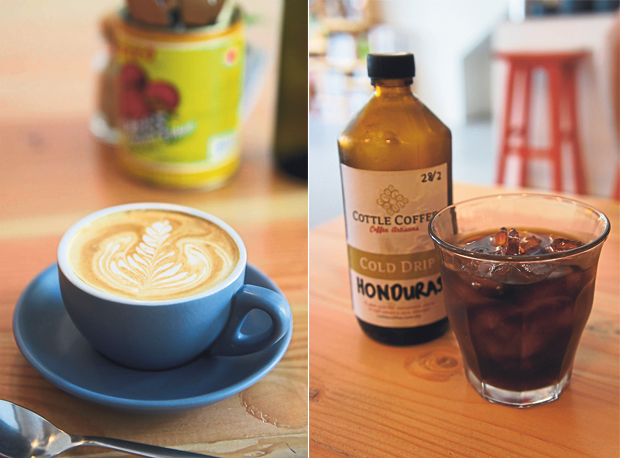
If you’re a white coffee drinker, try their Espresso Supreme, a blend of four types of beans including an organic high-grown Honduran. Chocolatey and buttery with a lemony acidity and crème caramel finish, it’s a pleasant blend that’s easy to like.
Even if you’ve never been a fan of black coffee, give their Cold Drip Honduras Liquid Ambar a go and you’ll be in for a treat. The flavours are mild but the profile is complex: Sweet and malty at first sip with a touch of lemon acidity, fresh figs note surfaces later and then finishes on a creamy, caramel note. Add fresh milk and the latter becomes even more pronounced.
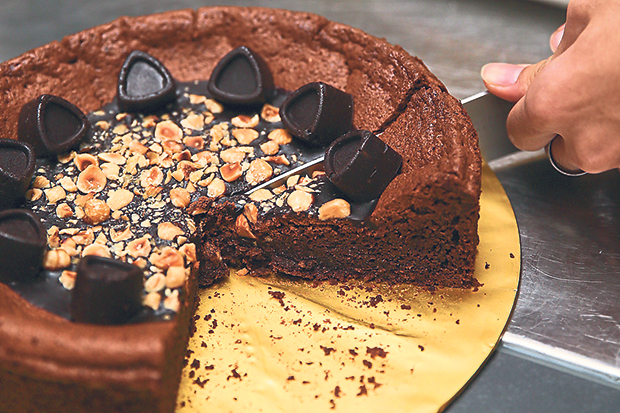
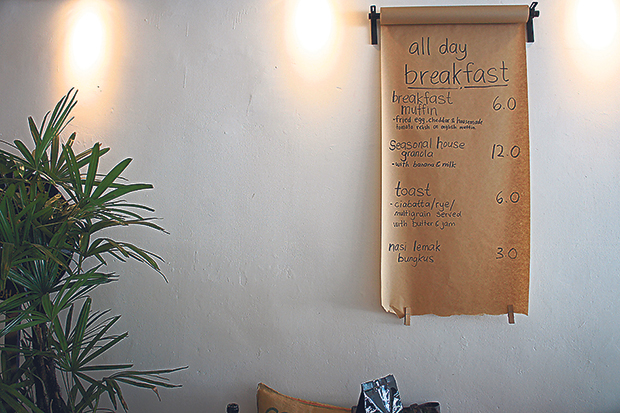
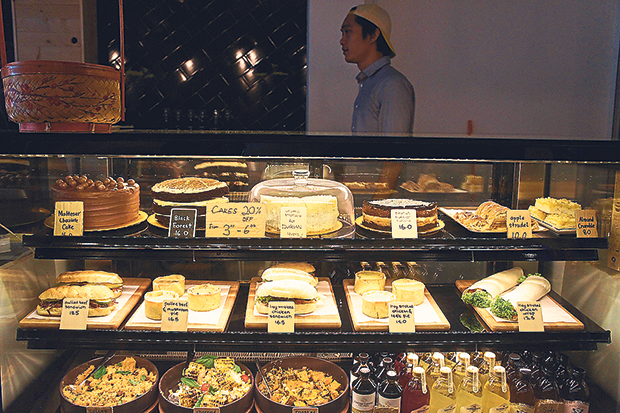
You can pair the coffees with a selection of cakes by home bakers such as Souka Cakes, Butter Me Up and Fatboybakes. There’s a small selection of hot food, prepared by a professional kitchen.
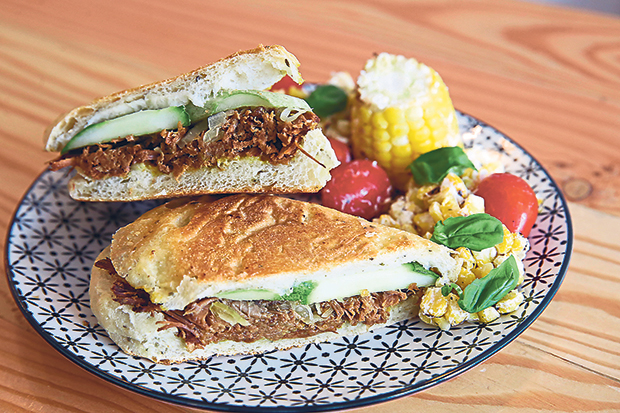
The must-try is their pulled beef sandwich featuring a tender, flavoursome braised brisket and pickled cucumber, served with a side of salad of your choosing. Your options include charred corn, feta and tomato; quinoa and apple with rocket; spiced cauliflower rice with pumpkin.
The recipes are Miin Wei’s own and he’s particular about having things done exactly to his specifications. It’s the same attention to detail that he pours into every aspect of the business and every cup of coffee he makes. “Coffee is interesting in that there is no right or wrong, everyone has a different palate. Keep tasting until you find one that you like.”
So for all the coffees he has drunk, what’s his preference? “I like the Espresso Supreme,” says Miin Wei. “But some days, I just want a cup of ‘kaw’ kopitiam coffee!”
Cottle Coffee is at 15G Jalan SS21/60, Damansara Utama, Petaling Jaya, Selangor (next to Old Town White Coffee)
Tel +603 7733 7070
www.facebook.com/cottlecoffeemalaysia
Tip If you can’t find parking nearby, The Starling mall has opened up two levels of its basement car park. Then catch the free UPTown Shuttle (operates 7am-8pm, Monday-Friday), which stops right in front of Cottle Coffee.
Vivian Chong is a freelance writer-editor who functions best when fuelled by coffee. Follow her lifestyle adventures at http://thisbunnyhops.com/


