


KUALA LUMPUR, Feb 5 — I might be showing my age, but I can’t remember any other time when the Malaysian appetite for Korean cuisine has been quite so… big.
Sure, it’s still largely concentrated in urban areas like the Klang Valley, but we’ve come a long way since the days of Girls’ Generation, and it’s been almost a decade since the major fried chicken franchises arrived.
Everybody wants a piece of the pie, whether it’s large restaurant chains entering the market or small, independent owner-operated businesses looking to strike while the iron is hot.
As a result, the diversity of offerings has steadily increased, especially in and around the Korean enclave of Mont Kiara.
In the neighbouring area of Desa Sri Hartamas, barbecue is still far and away the most popular type of Korean restaurant, like much of the rest of the Klang Valley.
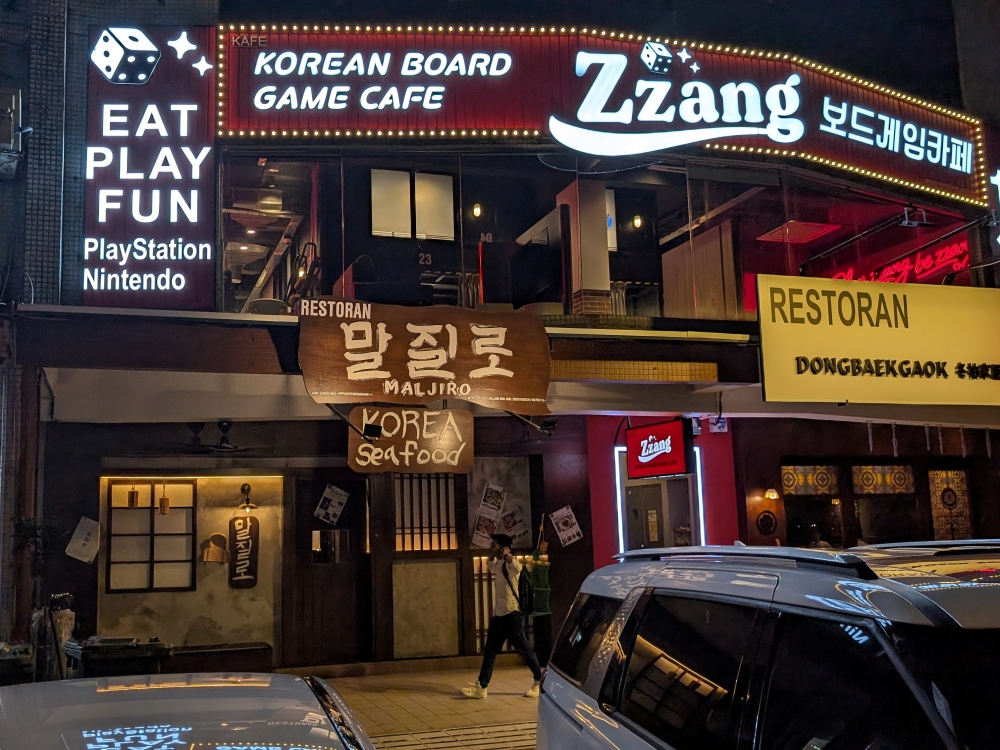
But it’s also home to more unique offerings, including a restaurant specialising in haejang-guk, Korean hangover soup, another in jokbal, braised pig’s trotters — and as of October last year, Maljiro, a restaurant specialising in hoe, joined the mix.
Pronounced “h-way”, hoe refers to Korean raw fish or meat dishes, though the latter is more commonly called yukhoe, and is often found at barbecue restaurants as a sort of Korean “steak tartare”.
There are typically two types of raw fish hoe: hwareo-hoe, made from fresh fish, and seoneo-hoe, made using aged fish, much like sashimi.
Maljiro, which has its original location in Sindang, a buzzy neighbourhood in Seoul, specialises in the latter, marketing it to a Malaysian audience as “Korean aged sashimi”.
In contrast with the many bright, backlit signboards in the area, Maljiro’s darker wooden one can feel a little unassuming.
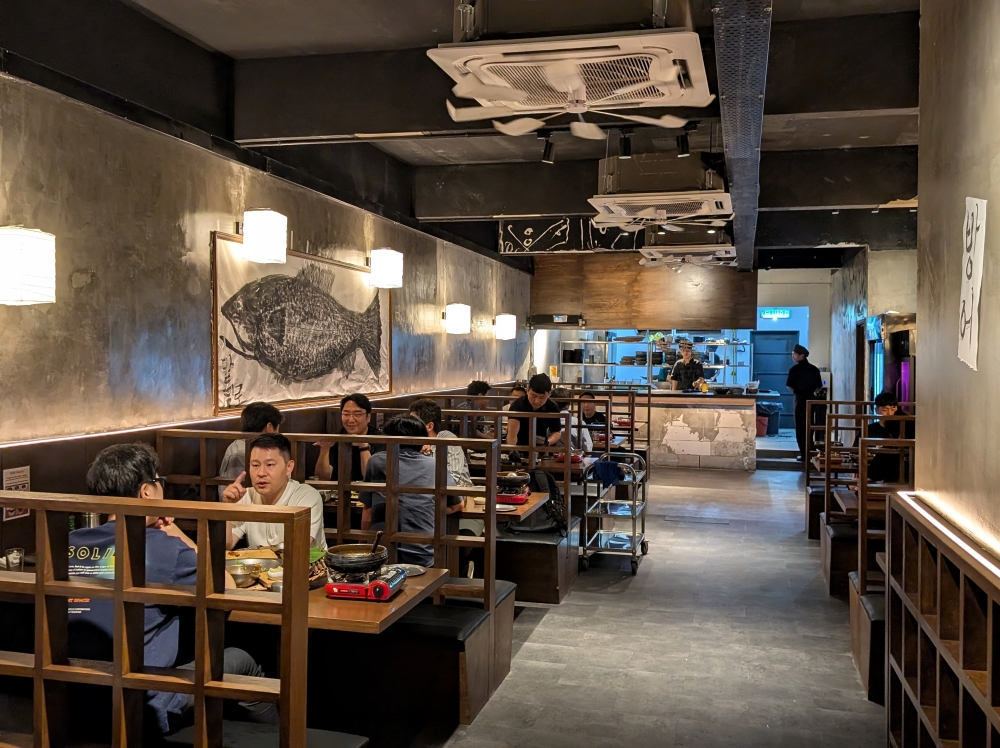
Inside, however, the place is anything but. Walking in, I’m treated to a cacophony of Korean words — I was even greeted with a deep “yeoboseyo?” when I called to get a table — and the clinking of soju bottles; a group at one of the restaurant’s many booths was already six bottles deep, and it was barely half past six.
Reinforcing the fact that this is the sort of place to come with a group is the menu, where I think the best value lies in the Maljiro Aged Sashimi Plate for 2–3 pax (RM250).
It comes with five types of seasonal fish or seafood, salt kimbap, a few side dishes, a water parsley pancake or minarijeon, and finishes with a spicy fish soup, maeun-tang.
First to arrive are a tiny omelette and a sizzling plate of corn in a concerningly gloopy cheese sauce.
These are followed by a large, shallow basket displaying four types of fish hoe, raw marinated crab, salt kimbap, a snack of pan-fried prawn in egg, and cold spicy noodles.
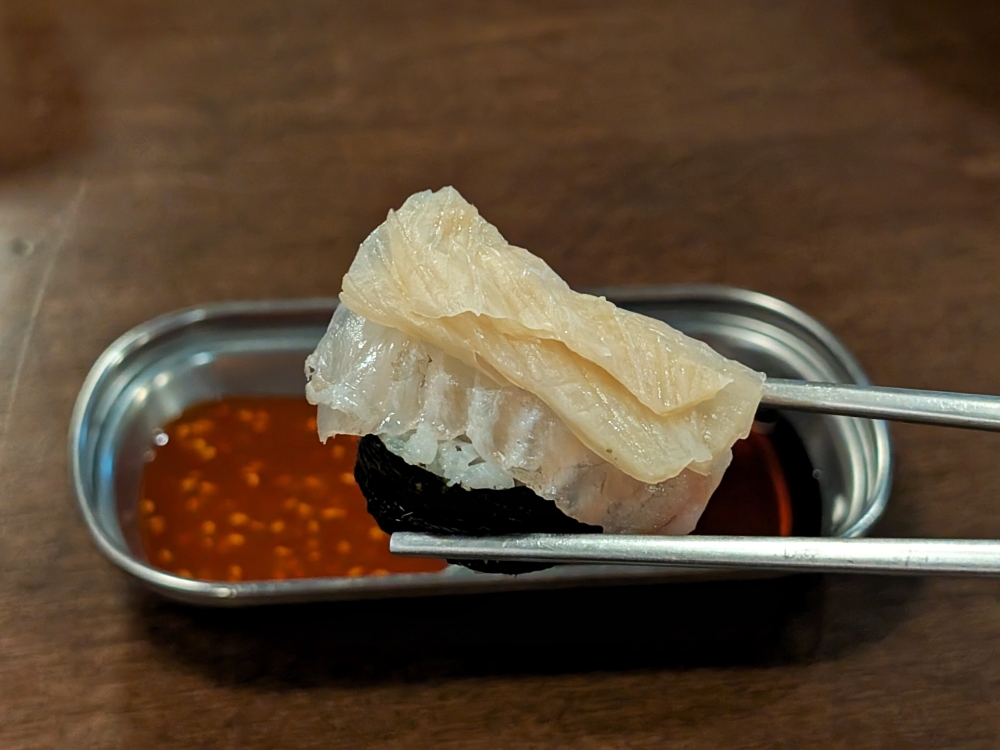
The variety of fish depends on the time of year; red snapper, mullet, and flounder are commonly used, whereas amberjack is only found in winter (now).
An instructional guide on each table recommends enjoying each slice of hoe by placing it atop a piece of salt kimbap, topping that with a slice of kimchi, then dipping the whole thing into both the salt-and-oil and chilli sauces.
The result is a pretty overwhelming mouthful, in both volume and flavour. I suspect it would go down better after a few bottles of soju, but alas, we weren’t drinking our carafe of makgeolli (RM30) nearly fast enough for it to take effect.
Between the supple fish and crunchy kimchi, I enjoyed each aspect of the combined bite equally, but they didn’t necessarily improve by being eaten together.
If you’re so inclined, wasabi and soy sauce are also provided — likely a shrewd concession to Malaysian diners more accustomed to sashimi.
The other parts of the platter, like the raw marinated crab, were great. The mini prawn-jeon were topped with a sticky, slightly spicy paste that worked beautifully, and the cold spicy noodles were refreshing on the palate.
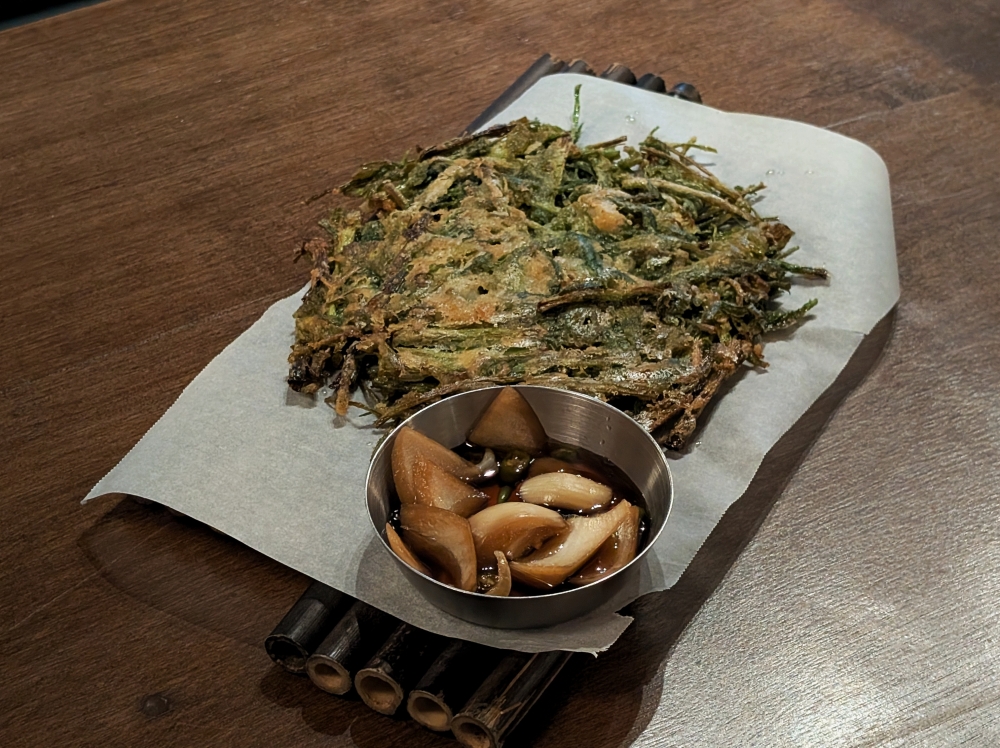
As we worked our way through the mountain of food, the minarijeon arrived.
It’s a peculiar pancake in that you can’t quite taste the water parsley, but it’s exceedingly light, crispy, and lovely when dipped into the tangy sauce.
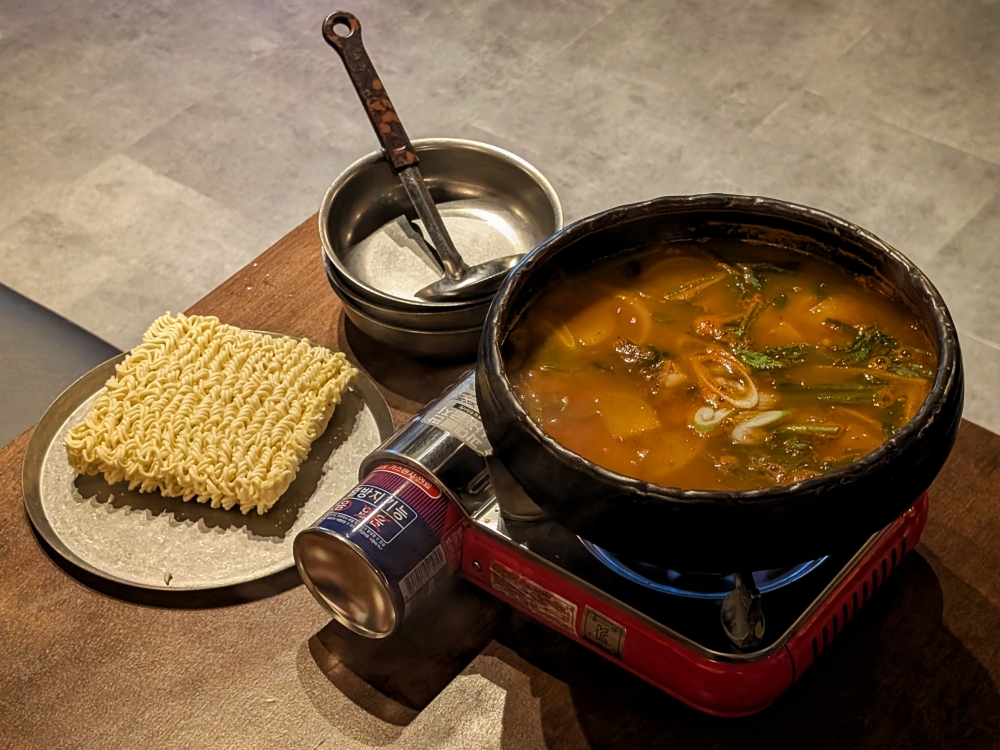
Halfway through, the maeun-tang also appeared, which we topped up with ramyun. It’s customary to finish with this spicy fish soup when eating hoe; traditionally, it’s made with the bones and remaining meat of the fish used for the hoe.
Between the heat and the spice, I could make no such distinction, but it still made for a satisfyingly warming end to a meal of mostly cold dishes.
Maljiro
18-1, Jalan 24/70A,
Desa Sri Hartamas, Kuala Lumpur.
Open Monday to Sunday, 5pm-12am. Closed on Tuesday.
Tel: 011-6223 8697
Instagram: @maljiro_my
* This is an independent review where the writer paid for the meal.
* Follow us on Instagram @eatdrinkmm for more food gems.
* Follow Ethan Lau on Instagram @eatenlau for more musings on food and occasionally self-deprecating humour.


