


FEBRUARY 1 — The news alert last Tuesday evening sent a cold shiver down the spine of every parent in Malaysia.
A two-year-old boy, vibrant and full of life at 8am, was found lifeless by 5pm in a car.
But this is not a Malaysian problem alone.
Overseas — like in the United States — it’s been reported that more than 1,000 children have died in hot vehicles. This is excluding those who survived with other injuries.
As a paediatrician, I see children every day who represent the future of our nation. But when I read about a tragedy like this, I don’t just see a clinical case of heatstroke.
I see a shattered family, a mother paralysed by a lapse in memory, and a community left asking the same haunting question: “How could anyone forget their own child?”
The harsh truth is that if we continue to treat this as a “bad parent” problem, we will never solve it.
To prevent the next death, we must understand the terrifying science of the human brain and the lethal physics of a parked car, something which many don’t know.
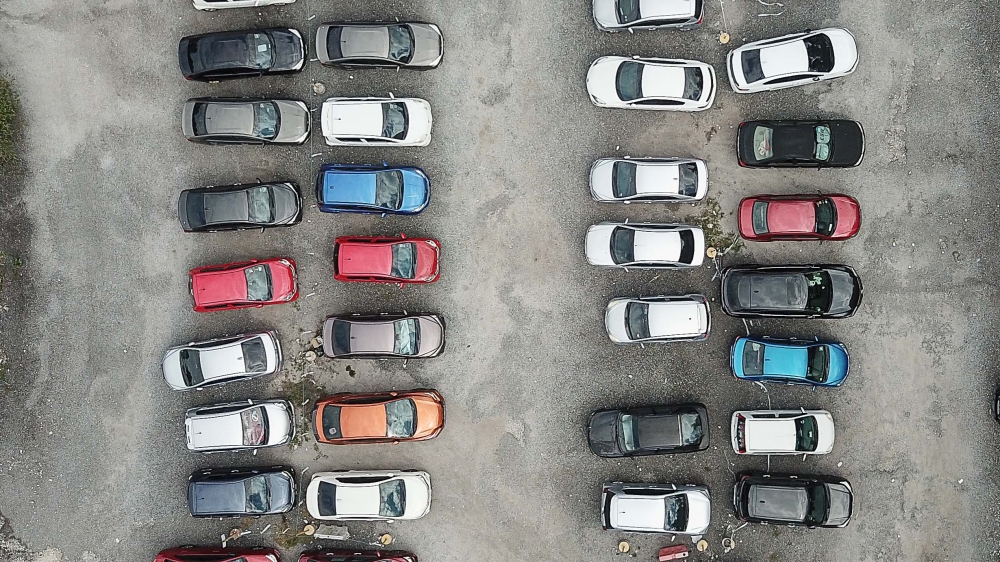
The greenhouse in the parking lot
We often underestimate how quickly a vehicle becomes a death trap. On a typical Malaysian day, the interior of a car acts like a greenhouse.
Within just 10 minutes, the temperature can rise within the car.
For a toddler, this is a death sentence. A child’s body heats up three to five times faster than an adult’s.
Their smaller surface area and underdeveloped cooling systems mean that by the time their core temperature hits 40°C, their internal organs begin to shut down.
This is not a “quiet sleep”; it is a systemic medical collapse.
The failure of memory, not love
Public discourse often turns to blame, but neuroscience offers a more sobering explanation: Forgotten Baby Syndrome.
Our brains operate on two systems. The prospective memory handles new plans (like dropping a child at a new babysitter), while the basal ganglia handles habits (the routine drive to work).
When a parent is sleep-deprived, stressed, or forced into a slight change in routine, the habit-brain can “autopilot” over the conscious plan.
The brain literally creates a false memory that the child is safe at daycare.
It is a tragic limitation of human memory in the most loving of parents.
The ‘fail-safe’ manifesto
If we accept that human memory is fallible, we must build “fail-safes” that are not. I urge every Malaysian parent to adopt these non-negotiable habits today:
- The Left Shoe Rule: Place your left shoe, your handbag, or your office security pass on the floor of the backseat. You cannot walk into your office without them. You will be forced to open the back door.
- The Stuffed Animal Co-Pilot: Keep a large teddy bear in the car seat. When the child is buckled in, move the bear to the front passenger seat. It is a loud, visual scream that your child is in the back.
- The 15-Minute Call: Establish a “Missing Child Protocol” with your babysitter or nursery. If your child isn’t there by 9am, they must call you. This simple phone call is a life-saving alarm.
A plea to the public
To the bystanders in our car parks: If you see a child alone in a car, even if they seem to be sleeping, even if the windows are cracked do not walk away.
Call 999 immediately. Try to find the owner. If the child looks distressed, sweating profusely, or is unresponsive, the law and our shared humanity demand intervention.
Final reflections
As we mourn the loss of the little boy, let us trade our judgment for vigilance.
Malaysians are known for looking out for one another, let’s apply that spirit to our parking lots.
Maybe it’s time that we encourage car manufacturers and childcare centres to adopt reminder systems and safety protocols.
Government-backed initiatives could ensure every family vehicle is equipped with dashboard alerts.
A bold ‘Look Before You Lock’ sticker acts as a critical second thought, prompting every driver to glance at the backseat before they walk away.
No parent should ever have to finish a workday only to find their world has ended in the backseat. Let this be the last time we wake up to this headline.
* Dr Naveen Nair Gangadaran is a paediatrician in Hospital Tuanku Ja’afar Seremban.
* This is the personal opinion of the writer or publication and does not necessarily represent the views of Malay Mail.


