








JANUARY 3 — There is a moment when a prize stops being symbolic and starts becoming operational.
The 2025 Nobel Peace Prize crossed that line almost immediately.
Within days of the announcement, Washington’s posture towards Venezuela hardened in ways that felt less coincidental than choreographed. Intelligence activity intensified. Military assets repositioned. Briefings shifted from abstract pressure to actionable scenarios. The language of diplomacy gave way to the language of logistics.
Peace, it seemed, had been delivered — by aircraft carrier.
This is not how peace is supposed to work. But it is increasingly how it does.
For decades now, the Nobel Peace Prize has functioned less as a recognition of restraint than as a moral accelerant — bestowing legitimacy on figures whose primary utility lies not in reconciliation, but in alignment. Alignment with Western power. Alignment with Washington’s strategic objectives. Alignment with a global order that speaks the language of human rights while quietly preparing for confrontation.
The latest award follows a pattern that is by now unmistakable: elevate a politically convenient figure, wrap them in the language of courage and conscience, and watch as geopolitical pressure rapidly escalates around the country they claim to represent.
Venezuela is simply the newest theatre.
The country’s current government, led by Nicolas Maduro since 2013, is far from blameless. Corruption, mismanagement, and repression are real, lived experiences for millions of Venezuelans. No serious observer disputes this. But history suggests that these shortcomings only become intolerable to the West when paired with one unforgivable sin: defiance.
Venezuela has resisted Washington’s long-standing claim to moral and strategic primacy over Latin America. It has refused to open its vast natural resources to Western extraction on Western terms. It has denounced US interventionism across the region and aligned itself openly against Western militarism, including condemning Israel’s conduct in Gaza.
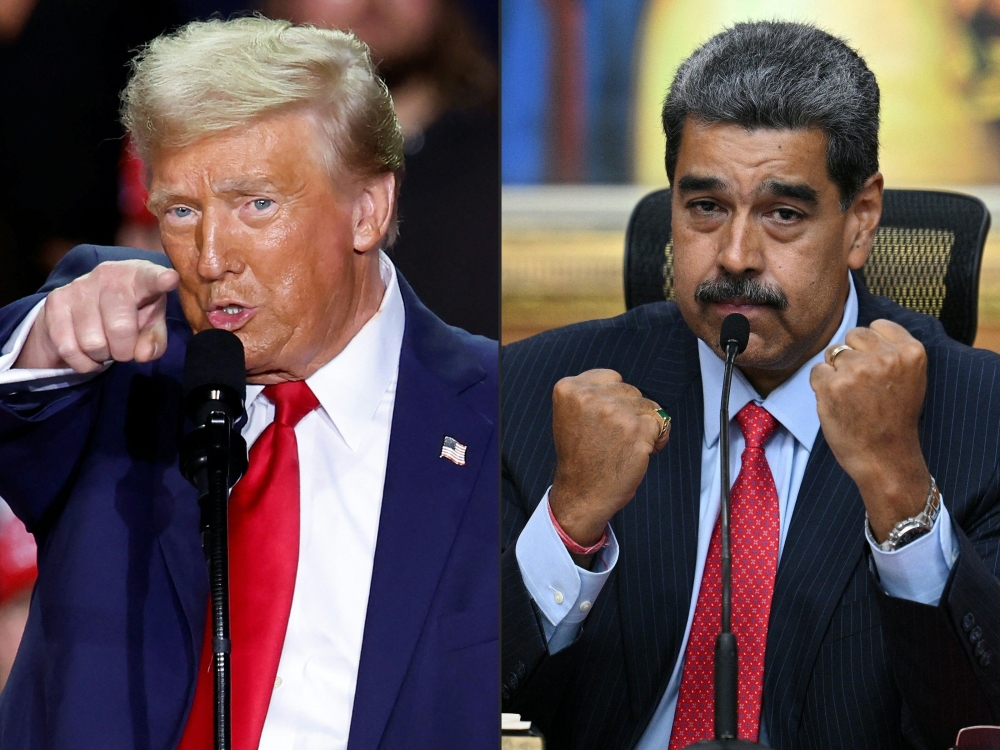
That combination — not tyranny alone — has placed it back in the crosshairs.
Against this backdrop, the Nobel Committee’s decision to honour Maria Corina Machado reads less like an endorsement of peace and more like the ceremonial clearing of a runway. Machado is not an accidental choice. She is fluent in the moral vocabulary Western institutions reward. Pro-US. Unwaveringly pro-Israel. Openly supportive of foreign intervention in her own country. Comfortable framing Venezuela’s future through the language of external “liberation.”
These are not liabilities in the Nobel universe. They are qualifications.
The award does not empower such figures domestically; it extracts them from their political context and repurposes them internationally. Once crowned, they cease to function as representatives of complex local constituencies and become symbols — simplified, amplified, and deployable.
This phenomenon is not unique to Venezuela. Iranian dissidents, Russian opposition figures, and others have walked this same path: elevated abroad, hollowed out at home, transformed from political actors into moral instruments. The prize confers global visibility at the cost of local credibility.
What, then, is being rewarded?
Certainly not peace in its traditional sense — dialogue, compromise, de-escalation. Rather, a particular kind of moral alignment that smooths the path for pressure, sanctions, and eventually force. The prize has become a prelude, not a conclusion.
This brings us to the institution itself.
The Nobel Peace Prize did not lose its credibility overnight. It has been haemorrhaging it for decades. It has honoured architects of war while overlooking giants of non-violence. It has celebrated power brokers while ignoring those who dismantled violence without commanding armies or alliances.
That this same prize was once awarded to Henry Kissinger but never to Mahatma Gandhi is not an unfortunate oversight; it is a tell.
The Nobel ecosystem — spanning peace, literature, economics, and science — is a tightly held European enterprise that continues to project itself as a global moral authority. A small cluster of academies and committees, steeped in their own traditions and blind spots, presumes to adjudicate humanity’s highest values.
By what authority?
No democratic mandate. No global consensus. Just inheritance, prestige, and repetition.
History has not been kind to this presumption. The record is littered with dubious choices: honours granted for scientific advances later revealed to be destructive, medical breakthroughs that maimed rather than healed, economic theories that hollowed out societies while enriching a few. Conflicts of interest quietly ignored. Scandals politely managed.
And yet the medals continue to gleam.
Alfred Nobel himself understood the moral tension at the heart of his legacy. A man who amassed his fortune through explosives, he was jolted by an obituary that described him as a “merchant of death.” The prizes were his attempt at redemption — a wager that philanthropy could outpace destruction.
The world agreed to play along.
But the illusion has finally collapsed under the weight of reality.
Gaza has made moral theatre impossible to ignore. No prize ceremony can coexist with the image of entire neighbourhoods erased by Western-supplied weapons. No rhetoric of peace survives the sight of children pulled from rubble while institutions of global prestige avert their gaze.
And now, once again, Venezuela waits its turn.
This is not about one prize or one recipient. It is about a civilisation addicted to congratulating itself while accelerating towards catastrophe. Awards have become a substitute for accountability, pageantry in place of introspection.
There is no need to propose an alternative prize from elsewhere in the world. The problem is not geography; it is timing. We are not living in an age that deserves celebration. We are living in an age that demands reckoning.
Humanity does not need medals right now. It needs mourning. It needs humility. It needs to sit with the consequences of its choices rather than handing out citations for virtue.
Look around honestly — Gaza, Sudan, Yemen, Ukraine, now Venezuela looming larger in strategic calculations. What, exactly, are we rewarding?
The Nobel Peace Prize is not a remedy for this moral crisis. It is one of its most polished symptoms. A distraction that allows institutions to perform concern while power continues to operate as it always has.
Until we dismantle the idea that morality can be outsourced to committees, that virtue can be certified by applause, that peace can be crowned while war is being planned, we will continue mistaking ceremony for progress.
And the aircraft carriers will keep moving — quietly, efficiently, right on cue.
* This is the personal opinion of the writer or publication and does not necessarily represent the views of Malay Mail.


