


OCTOBER 23 — I met a little boy recently — four years old, cute little fella, with a soft cough that lingered still as he recovered from RSV pneumonia.
He was lucky this time; the illness ran its course, and after more than a week, he went home smiling.
But what struck me wasn’t just his recovery — it was the story behind it.
He has not received a single vaccine since birth except for the BCG.
His parents, loving but fearful, had declined every immunisation, convinced that vaccines might do more harm than good.
They had heard stories — about autism, about children who “fell sick” after vaccines — stories that echo endlessly on social media, whispered in parenting groups, repeated often enough to sound like truth.
Ironically, both parents are fully vaccinated. His two older siblings are, too. They’ve thrived — healthy, active.
But the mother shared that her older children, though vaccinated, were hospitalised few times prior to this. That fear found its way to this one child, which they then decided not to vaccinate.
When I spoke to his mother, I didn’t start with statistics or scolding. I started with empathy.
She wasn’t anti-science; she was anxious. She didn’t reject vaccines out of defiance — but out of love, misdirected by misinformation.
Together, we talked about what vaccines really do, how they protect not only her son but the children he plays with, and why now — with measles and influenza resurging — it is more urgent than ever to catch up.
What more this boy was admitted a month ago for severe rotavirus gastroenteritis. Whether we could have prevented the severity if he was vaccinated before.
She nodded, quietly, with tears in her eyes, and promised to visit the clinic soon.
But as I left the ward, a question stayed with me: why did it take a hospital admission for this conversation to happen?
Are we, as healthcare providers, engaging early enough — or have we become complacent, waiting for illness to open the door to a dialogue with the parents?
Vaccine hesitancy is not new, nor rare. But perhaps what’s changed is how we listen, and how we speak. Perhaps we tried but not hard enough.
Somewhere between our guidelines and their Google searches, the connection broke.
And rebuilding that bridge — one parent at a time — may be our most important immunisation effort yet.
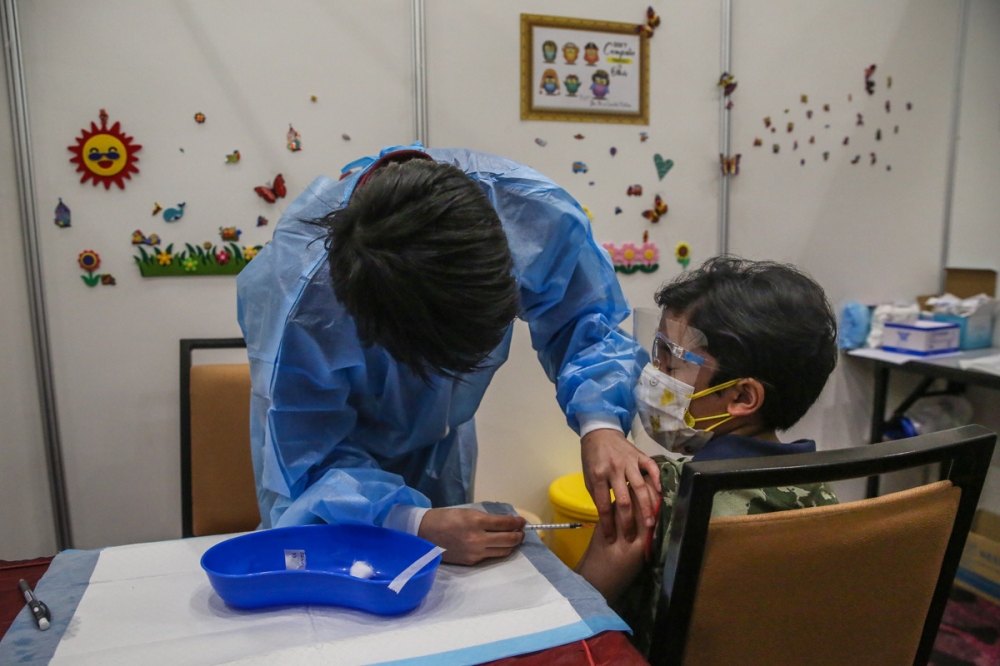
Perceived barriers: Fear, mistrust and misinformation
Many parents who refuse vaccines aren’t rejecting science — they’re reacting to fear.
They fear autism, developmental delays, or immune “overload.” They worry about pharmaceutical motives, or distrust the healthcare system itself.
For some, past negative experiences — a child’s fever after an injection, or a rushed consultation — leave scars of uncertainty.
The autism myth has long been debunked — extensive studies show no link between vaccines and developmental disorders.
Of course there is that one single viral post, a WhatsApp message, or a story shared by a friend becomes more influential than years of scientific data.
In a world where misinformation spreads faster than viruses, reassurance MUST travel even faster.
Bridging the gap: Everyone has a role
Breaking vaccine hesitancy isn’t the job of doctors alone.
- All healthcare workers must learn not just to inform, but to communicate — to listen without judgment and rebuild trust through empathy, not authority. Many at times end up judging those vaccine defiant.
- Teachers can integrate immunisation facts and myths into science and health education, helping children and adolescents understand how vaccines work and why they matter.
- Community leaders, religious figures, and NGOs can humanise the message — changing all the statistics into personal meaningful stories.
- Parents who have witnessed the benefits of immunisation can become the most credible advocates among their peers. Advocacy at the community level, beginning from your own home.
Every unspoken correction, every missed chance to counter a myth, allows misinformation to thrive.
Our silence would pave the way to a pandemic of diseases. Kudos to everyone who has been advocating, don’t give up to those who have failed in their attempts previously, and it’s never too late to start now if you haven’t given your best shot. Advocate now for the future generations.
The mother I spoke to left with hope — not because I convinced her, but because I listened first.
Vaccine hesitancy isn’t a wall to break; it’s a wound to heal. I don’t know if she will follow through and catch up on her son’s immunisation after all — but I can only hope she does.
Because sometimes, hope is the first dose we can offer before the vaccine itself.
* Dr Naveen Nair Gangadaran is a paediatrician and a committee member of the Malaysian Paediatric Association (MPA).
** This is the personal opinion of the writer or publication and does not necessarily represent the views of Malay Mail.


