












SEPTEMBER 9 — The joy of welcoming a long-awaited child is something almost impossible to capture in words. Every parent knows that fierce instinct to protect them from harm. And yet, accidents do happen. A stumble in the living room, a fall from the playground slide, or simply a collision during play can happen in the blink of an eye. For many parents, the shock of seeing their child injured is quickly followed by a sinking sense of guilt: I should have been watching, I should have prevented this. That guilt is real and heavy, compounded when others pass careless remarks that lay blame on the parent.
As a paediatric dentist and a mother to a four-year-old boy, I have felt both sides of this story. When my son falls, my training kicks in instinctively: I check his teeth, look for signs of bleeding, and assess the injury. But I am acutely aware that most parents do not have a dentist at their side when an accident occurs. Instead, they are left with worry, uncertainty, and the desperate need to know what to do in those crucial first moments.
Dental trauma is, in fact, far more common than many people realise. Among toddlers between the ages of two and three, when their motor coordination is still developing, injuries to baby teeth are frequent. In older children, particularly boys aged nine to ten years, vigorous play and contact sports raise the risk of trauma to permanent teeth. Studies have shown that up to a quarter of school-aged children and about 15 per cent of preschoolers will experience some form of dental injury.
Before considering what to do in the event of an accident, it helps to understand what happens when a tooth is injured. The outermost layer, enamel, is the hardest substance in the human body, but beneath it lies dentine, which is softer and absorbs shocks. Inside the tooth sits the pulp, made of nerves and blood vessels, and the whole structure is anchored in bone and ligaments. When excessive force is applied, for example a knock against a hard object, a fall, or a collision, the injury may affect one or several parts of the tooth. Teeth may become concussed, fractured, loosened or displaced, and in some cases, completely avulsed, meaning knocked out of the mouth entirely. These injuries can be accompanied by bleeding of the gums and lips, and if not treated, they may affect speech, nutrition, and the proper development of permanent teeth.
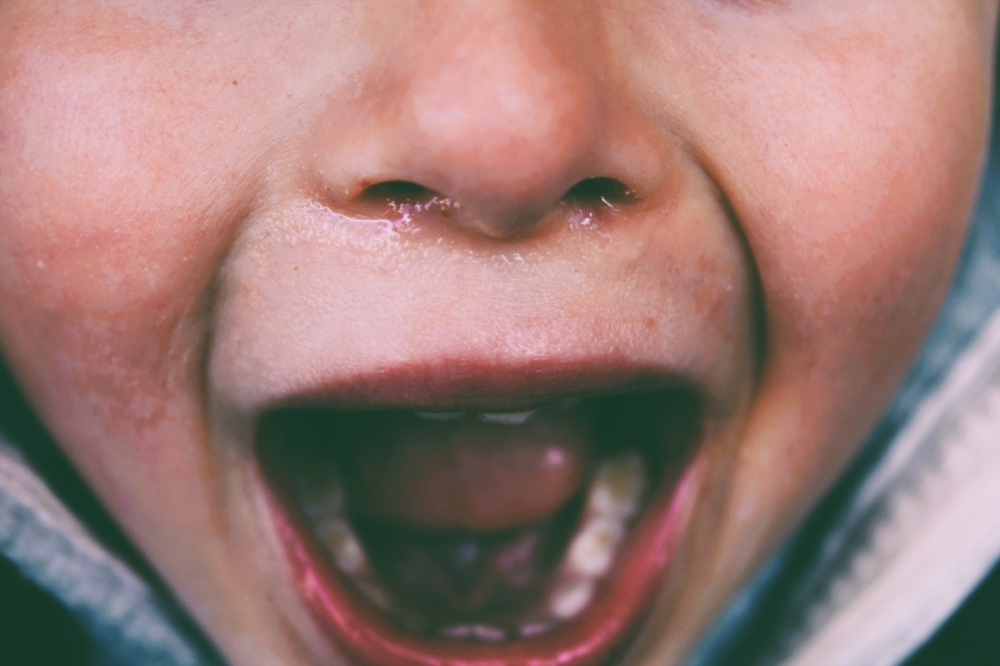
So what should parents do when their child suffers a dental injury? The first and most important step is not to panic. Children will often cry, not only from pain but also from shock, and a calm parent can help to reassure them. Once the child is soothed, the mouth should be inspected for bleeding or obvious injury. The wound, if present, should be rinsed gently with running water, and the injured area compressed with a clean cloth or gauze for about five minutes to control bleeding.
If the injury involves a fractured tooth, the broken piece should be located and stored safely, preferably in a small container of clean water. This fragment may sometimes be reattached by a dentist, restoring the tooth’s original appearance. If the trauma involves a permanent tooth that has been completely knocked out, the situation requires particular urgency. The tooth should be found and handled only by the crown, that is the visible part, not the root. If dirty, it can be rinsed briefly under running water for about ten seconds. The best outcome is achieved when the tooth is reinserted into the socket immediately, and the child asked to bite gently on a piece of cloth to hold it in place. If reinsertion is not possible, the next best step is to store the tooth in a bottle of milk or in the child’s own saliva while urgent dental care is sought. It is critical to note that baby teeth should not be reinserted, as this may cause damage to the developing permanent teeth beneath.
In all these cases, parents must seek emergency treatment without delay. Dentists are trained to handle dental trauma, and paediatric specialists, in particular, bring added expertise in treating children and minimising long-term consequences. In Malaysia, such care is available in most university and major public hospitals, alongside private clinics.
While no parent can prevent every accident, there are steps that can reduce the likelihood of dental injuries. Childproofing the home by removing sharp-edged furniture or using protective guards helps to reduce falls in toddlers. Teaching children safe play habits and keeping a watchful eye during active play also makes a difference. For older children, especially those participating in contact sports such as football, basketball or hockey, the use of mouthguards is strongly recommended and has been proven to prevent many dental injuries. Some children are naturally at higher risk — for example, those who are obese or have an increased overjet, where the front teeth jut out. In such cases, early orthodontic assessment and intervention can be invaluable in reducing the chance of trauma.
It is true that dental injuries are not usually life-threatening, but they carry an outsized impact on a child’s wellbeing. The loss of a front tooth, even temporarily, can affect their ability to eat comfortably, to speak clearly, and to smile with confidence. Beyond physical health, these injuries touch on self-esteem and quality of life. That is why timely action in the moment of crisis, combined with preventive strategies at home and school, is so important.
For parents, the journey is not about eliminating every possible danger — that is neither realistic nor healthy — but about being prepared, responding calmly, and knowing where to turn for help. Accidents are, after all, part of childhood’s story. But with prompt care and steady guidance, we can ensure that our children’s smiles, once shaken, are restored, and that they carry with them the resilience to face life’s tumbles with courage.
* Dr Noorhidayah Zainal Aalam is a Senior Lecturer and Specialist in Paediatric Dentistry from the Department of Paediatric Dentistry and Orthodontics, Faculty of Dentistry, Universiti Malaya. She may be reached at [email protected]
** This is the personal opinion of the writer or publication and does not necessarily represent the views of Malay Mail.