


FEBRUARY 21 — It is a common complaint against city councils that their neighbourhood projects are not the right solution or even a waste of public funds.
That is why city councils are moving away from the idea that change must be accomplished in one go, and that projects are risky endeavours that must be right, right away or entirely avoided.
The alternative is a strategy called Interim Design.
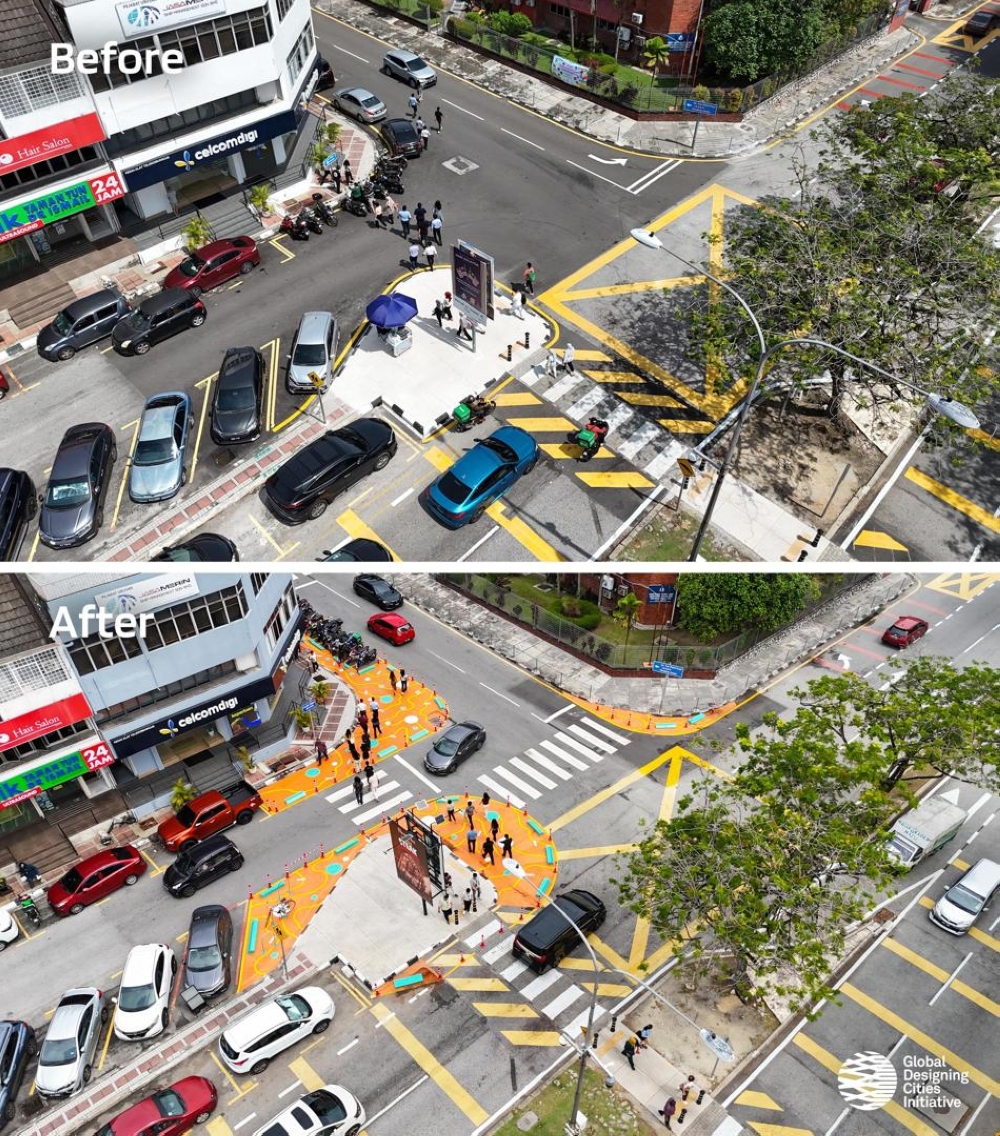
In the context of city street design, interim projects use low-cost, interim materials — like flexible bollards, modular kerbs, and paint — to quickly demonstrate changes to a street’s geometry, so the local community can experience the alternative and see progress in a short time frame.
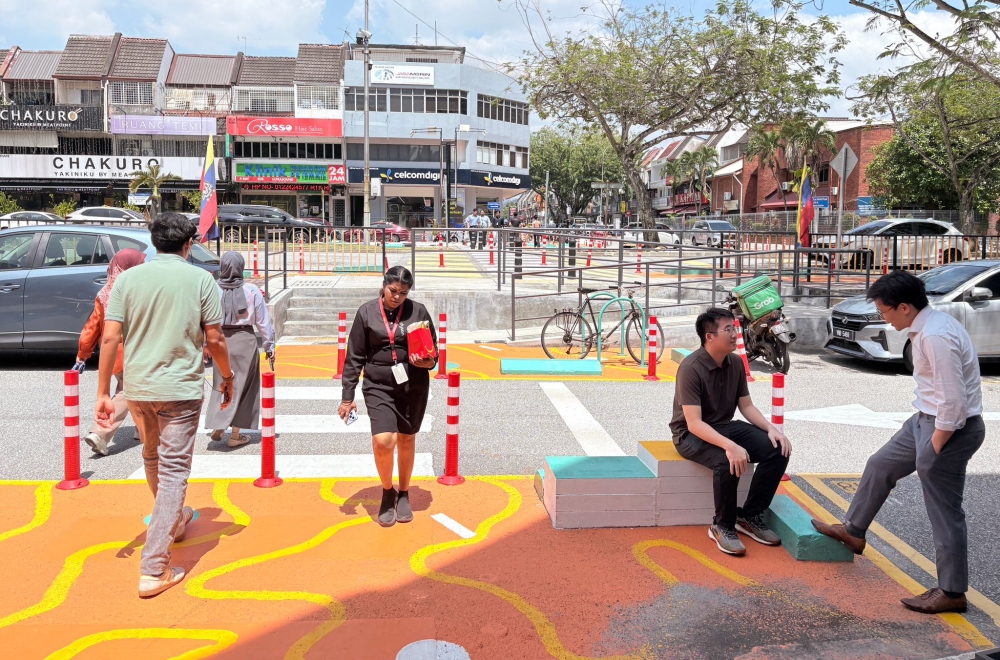
The Minister in the Prime Minister’s Department (Federal Territories) Hannah Yeoh recently set several goals for 2026 to make the Federal Territories into vibrant, liveable cities including a focus on citizens’ wellbeing and advancing Sustainable Development Goals (SDGs) in cities.
Both these goals are addressable by making neighbourhood streets safer: reducing traffic fatalities and encouraging people to opt for alternative modes of travel or simply to walk.
This makes neighbourhoods more environmentally friendly, more people-friendly, and promotes healthier lifestyles.
Interim Design is especially useful when testing out something that’s not commonly done, like narrowing streets to achieve safe speeds, or extending a sidewalk or turning radius to make sure vehicles move in ways that’s safe for other road users.
While city councils aim to bring change to meet liveable city goals, many things get in the way: from limited funding, complex approval and regulatory processes.
Lengthy construction periods and frustrating wait times for local residents and businesses further add to a council’s reluctance toward implementation.
Again, this is where Interim Design can help by using cheaper materials and phased solutions that are easier for councils to approve and quickly test which solutions fit and adjust those that don’t.
Typical tools in an interim project include semi-permanent elements such as:
- Flexible bollards — plastic poles that direct traffic flows and offer resistance to vehicular speeding without posing a risk, creating a visual barrier but bending if vehicles graze it.
- Modular curbs — small concrete dividers that enable testing of wider sidewalks or kerb extension that provide a physical barrier against intrusion by vehicles
Cities like New York have even used elements like trees or rocks to test out street designs.
Interim also means to use flexible and responsive design, taking in community feedback and working towards a solution that is tailored to the neighbourhood it is implemented in.
This is a constant dialogue where city councils engage local stakeholders before the project is implemented and make changes to the physical interventions as needs arise, whether it means making a kerb wider to make street crossings shorter or adding bollards to make pedestrians feel safer.
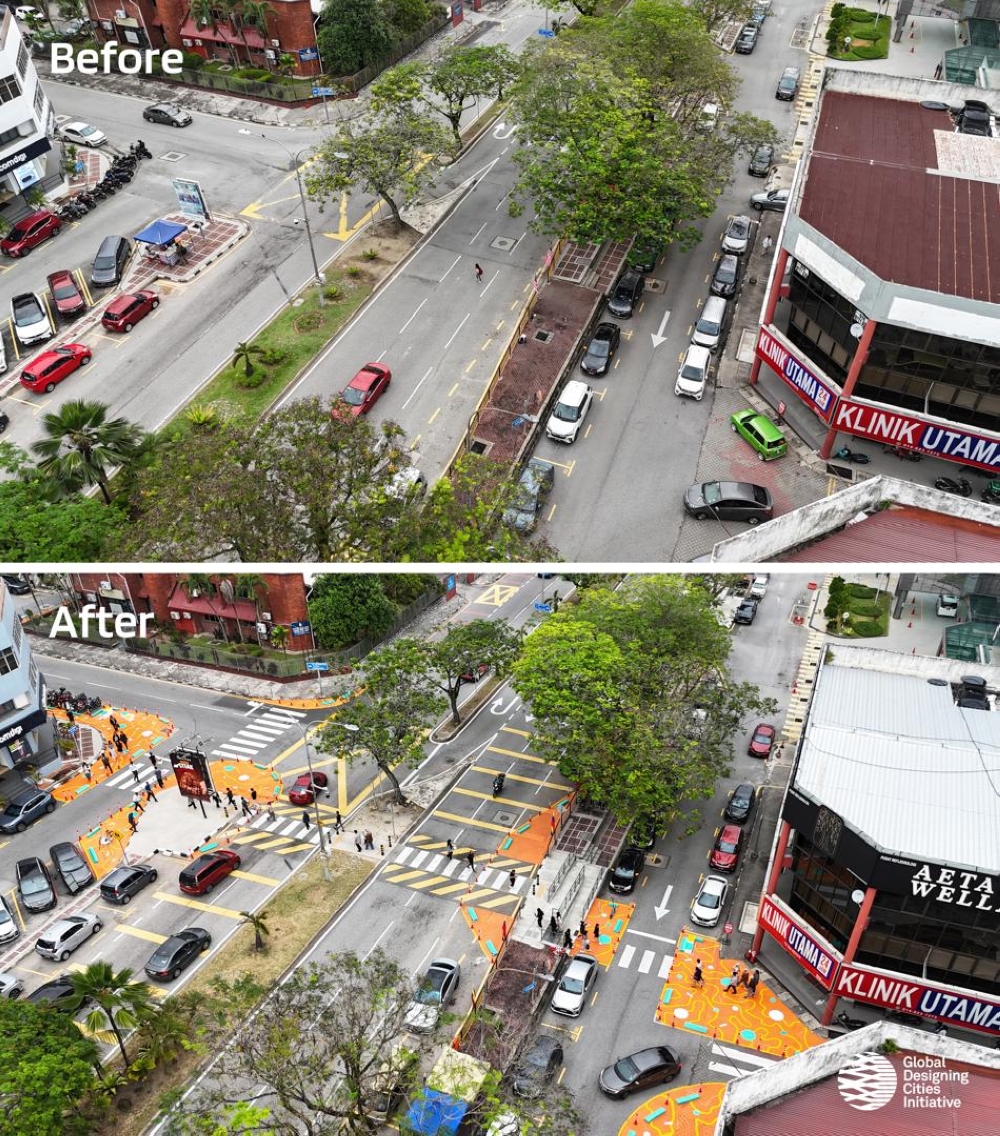
While the word “temporary” gets brought up in Interim Design, this does not mean it is merely a test that will be rolled back to square one after however many months of testing.
Thus interim phasing is meant to inform long-term solutions, eventually translating into permanent sidewalks, raised crossings, green spaces, or new traffic flows.
Getting the locals’ feedback and buy-in ensures they take ownership to their neighbourhoods moving forward. We’ve seen this translate into a feeling of pride in the changes, with people happy to share the improvements they see around their homes.
With each successful project where an interim is made permanent, not only does the city council learn how to innovate change more efficiently, but it also becomes a model of change that other neighbourhoods can ask for.
* Qishin Tariq is a road safety advocate and member of several active mobility and road safety organisations.
** This is the personal opinion of the writer or publication and does not necessarily represent the views of Malay Mail.


