


AUGUST 20 — When Asean was established on August 8, 1967, its founding members envisioned a regional order built on dialogue, cooperation, and resilience. For South-east Asia, still emerging from the shadows of colonial rule and Cold War confrontation, Asean was a bold attempt to craft a zone of stability.
Four years later, in 1971, Malaysia and Singapore joined hands with Australia, the United Kingdom, and New Zealand to launch the Five Power Defence Arrangements (FPDA). This pact was no accident of history; it was a deliberate complement to Asean’s vision of regional security.
The FPDA was born just a year after Asean declared the Zone of Peace, Freedom, and Neutrality (Zopfan) in Kuala Lumpur in 1970.
Zopfan was a political statement of intent: South-east Asia must not become the playground of great power rivalry. But declarations alone could not guarantee safety.
The Vietnam War was raging, and the withdrawal of British forces east of Suez left Malaysia and Singapore vulnerable.
The FPDA filled this gap. While Zopfan embodied Asean’s diplomatic quest for neutrality, the FPDA offered a hard security safety net—anchored not in alliance obligations but in consultation and cooperation.
The importance of the FPDA for Malaysia cannot be overstated. Unlike Nato, it does not bind members to collective defence. Instead, it institutionalises regular consultations and joint military exercises, ensuring Malaysia and Singapore are never isolated in the face of aggression.
Over the years, exercises such as Bersama Shield and Bersama Lima have done more than sharpen tactics; they have nurtured interoperability, exposed Malaysian forces to advanced operational practices, and prepared them for United Nations peacekeeping deployments.
These engagements are Malaysia’s only consistent multinational military training opportunities—an invaluable supplement to its limited defense capacity.
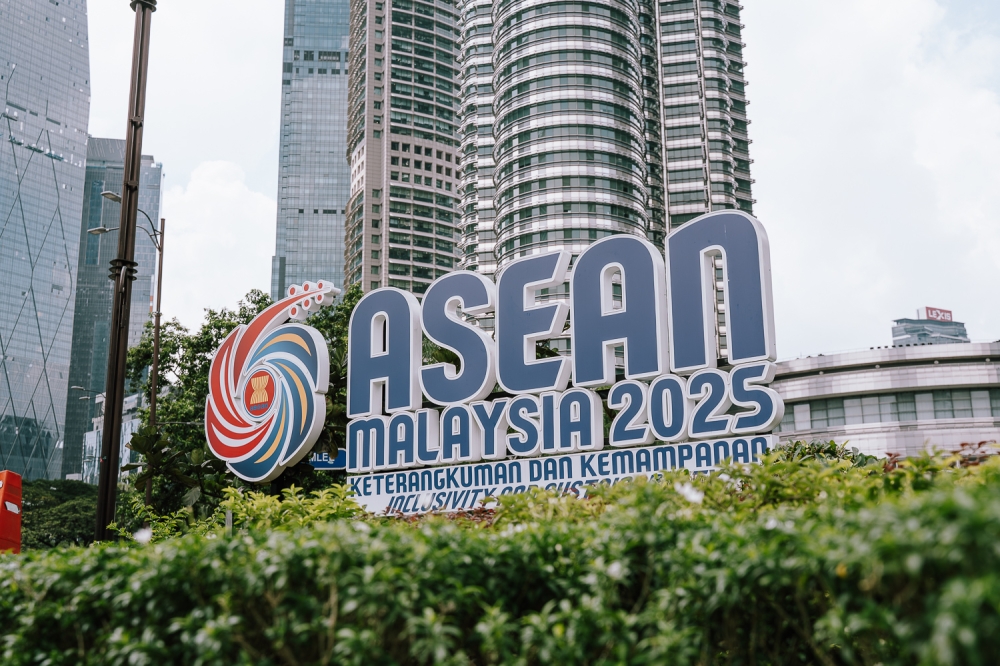
At the same time, Asean and the FPDA should not be seen as competing pillars of security. They are symbiotic. Asean, with its emphasis on consensus and dialogue, creates the political environment that makes cooperative security possible.
The FPDA, in turn, provides a practical mechanism for capacity-building, ensuring that Malaysia and Singapore remain confident participants in Asean’s broader vision of regional stability. Together, they reflect Malaysia’s dual strategy: embrace neutrality and diplomacy through Asean, while anchoring deterrence and preparedness through the FPDA.
Half a century on, both institutions face new tests. The rise of China, the resurgence of US strategic primacy, and tensions in the South China Sea demand careful balancing.
Here, Asean continues to serve as the convenor of dialogue through the Asean Regional Forum, East Asia Summit, and the ongoing negotiations on a Code of Conduct in the South China Sea. The FPDA, meanwhile, has adapted to include non-traditional security threats—counterterrorism, humanitarian assistance, and disaster relief—broadening its relevance in an era where security is no longer defined solely by state-to-state conflict.
Critics often argue that the FPDA is a relic of the Cold War. Yet its enduring value lies in flexibility. It reassures Malaysia and Singapore without constraining them in rigid treaty commitments. Similarly, Asean, though derided as slow-moving, has preserved South-east Asia as one of the least conflict-prone regions in the world. Neither is perfect, but both are indispensable.
For Malaysia, the lesson is clear. Asean and the FPDA are not parallel tracks but complementary ones. They represent two sides of the same coin: Asean provides the diplomatic shield, while the FPDA delivers the operational muscle. In a region where great powers jostle for influence, Malaysia’s security will continue to rest on the twin anchors laid down in 1967 and 1971.
* Phar Kim Beng is a professor of Asean Studies and Director of the Institute of Internationalization and Asean Studies at the International Islamic University of Malaysia.
** This is the personal opinion of the writer or publication and does not necessarily represent the views of Malay Mail.


