


MARCH 17 ― Climate change is causing our global temperatures to rise, putting our most visible sources of water at risk. From Spain to parts of the African continent, droughts are being experienced at unprecedented levels. Madagascar was confronted with a food crisis just last year that left 1.3 million people facing severe hunger following the worst drought in four decades.
The perils of climate change are also threatening the region’s water security. South-east Asia is one of the regions projected to be most affected by climate change.
Closer to home in Malaysia, the country’s reliance on drawing water from rivers ― such as Sungai Muda, Sungai Selangor, and Sungai Johor ― has left them under severe stress. With only 25 per cent of water left in Sungai Muda, the need for greater water management measures is higher than ever.
Protecting an invisible resource
As water becomes a scarce resource in many parts of the world, countries especially Malaysia need to tackle water shortages quickly and efficiently.
While Malaysia is a tropical country blessed with abundant rainfall throughout the year, the nation still experiences water shortage and issues with water quality, as a result of climate change and high non-revenue water (NRW) rate.
One source of water that is often overlooked is groundwater. Put simply, groundwater is the water found underground, and currently provides almost half of all drinking water worldwide and about 40 per cent of water for irrigated agriculture globally.
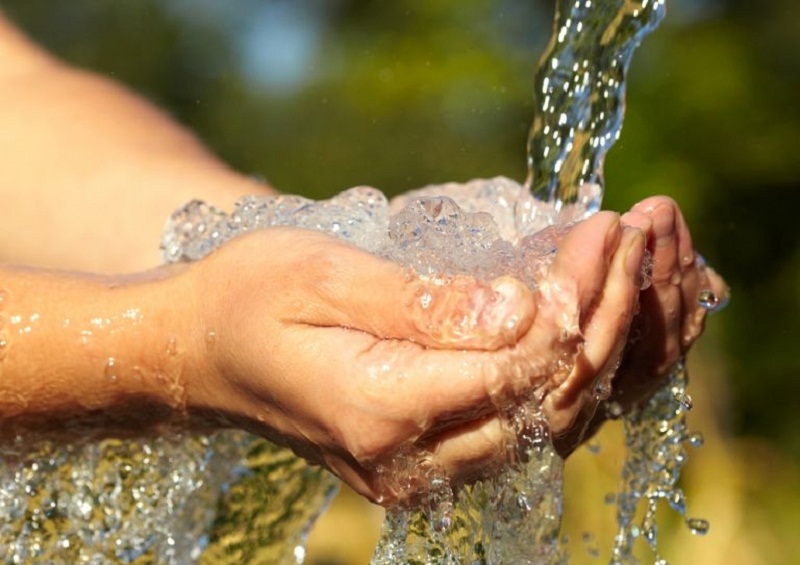
Groundwater use in Malaysia is still relatively low due to the ease of accessing surface water resources like rivers, but experts are saying it can be key in keeping our pipes running in the future, especially as groundwater accounts for 90 per cent of Malaysia’s freshwater resources.
Despite its increasingly vital role, many still struggle to understand this invisible resource and find effective ways to actively protect it. Human activities and climate variability are rapidly increasing the pressure on groundwater resources.
Now, a quarter of the world’s population is using water much faster than the planet can replenish its natural sources such as groundwater.
This World Water Day on March 22, with the theme of “Groundwater ― Making the invisible visible”, experts around the world have noted that the time is now to actively protect all our water resources, especially groundwater.
To sustain the world’s drinking water supplies, sanitation systems, farming, industry, and ecosystems, we need to utilise intelligent technology to ensure effective water management strategies and, in turn, protect and sustainably use groundwater.
Wastewater management: Reduce groundwater pollution
The first approach is protecting the quality of this water source. Groundwater is especially vulnerable to pollutants from commercial or industrial activities, and even urban development.
Given that most of the aquifer systems in Peninsular Malaysia are shallow, this makes it very easy for contamination to occur for its groundwater sources as result from industrialisation and urbanisation, posing a great risk in maintaining water quality.
Demand and waste production go hand-in-hand ― the more we consume, the more waste we generate. Wastewater, when handled improperly, can have adverse effects on the biological diversity of aquatic ecosystems and disrupt the fundamental integrity of our life support systems.
Recognising this, water solutions providers like Grundfos are increasingly applying intelligent technology for wastewater management solutions.
Through the Internet of Things, advanced real-time data collection and sensors, wastewater treatment facilities can operate in a more predictive manner, reducing downtime and avoiding serious business and environmental consequences.
These systems are also able to ensure energy and other resources in the water filtration process are used as needed, achieving greater cost-effectiveness and sustainability, which can be key considerations for countries like Malaysia.
Water reuse: Protect from overexploitation
Beyond mitigating contamination, protecting the overuse of groundwater is also important. Rising demand for groundwater can cause cities to sink due to groundwater exploitation.
The need for us to protect groundwater from overexploitation ― where we are abstracting more water than is recharged by rain and snow ― is more crucial now than ever.
We must also protect groundwater from the pollution that currently haunts it, since it can lead to the depletion of this resource, extra-costs of processing it, and sometimes even preventing its use.
Encouraging water reuse can be an important tool in diversifying our water resources and reducing our reliance on groundwater. By ensuring wastewater is effectively treated to a quality that makes it possible to feed back into our water cycles, it allows us to save water in a time of scarcity.
Water treatment solutions now are capable of empowering companies to reuse their wastewater, reduce costs, and do their part to ensure that our natural water sources are not unnecessarily exploited.
Energy efficiency: Reducing our carbon footprint
It is also imperative that we think longer-term, specifically our contributions to climate change. Climate change can affect the amounts of soil infiltration, and rising temperature increases evaporative demand over land, which impacts the ability for groundwater resources to recharge.
Recognising the consequences of climate change, countries are already taking actionable steps towards decarbonisation, with a focus on renewable and clean energy to reduce greenhouse gas emissions.
It is heartening that the 12th Malaysia Plan (12MP) announced last year reinforced the country’s sustainability focus, including its commitment towards reducing the country’s greenhouse gas emissions intensity of GDP by 45 per cent by 2030.
However, water itself actually holds an intrinsic relationship with energy use. Energy is required to make water resources available for municipal and industrial use, from pumping, transportation, treatment, and desalination.
With fossil fuels being the source of most of the energy produced today, water processes are indirectly responsible for producing large amounts of greenhouse gases, consequently contributing to climate change.
One way to reduce the carbon footprint of water processes is by making them more energy efficient. Technology has been a key enabler of energy efficiency and we are now equipped with capabilities to achieve considerably efficiencies in water processes, such as utilising digital or smart technologies to enable pumps to be more intuitive and responsive to fluctuating demand, adjusting water use through real-time monitoring.
Securing water through collaboration
Last but not least, when it comes to strengthening a nation’s water security, we should not neglect the fact that water solution providers can help the cause by introducing innovative solutions, as well as bring their own unique industry expertise to the table.
For example, partnerships have been crucial in supporting local agriculture water supply projects that leverage renewable energy resources, which in turn has helped establish self-reliant, climate-resilient water supply technology and infrastructure across the region.
This year’s World Water Day reminds us of the interconnected nature of our activities and climate change. While many countries are dealing with the water crisis in their own way from groundwater extraction, it is crucial that we collectively work together to effectively manage our global water supply. To create meaningful and effective change, all of us ― from governments to businesses to individuals ― have a role to play.
* Pia Yasuko Rask is Senior Director, Grundfos SafeWater.
** This is the personal opinion of the writer or organisation and does not necessarily represent the views of Malay Mail.


