


MARCH 20 — Modern healthcare is often defined by its visible assets such as high-tech medical devices, modern treatment facilities and advanced data centres. These are significant markers of progress. Yet, a hospital equipped with the most advanced machinery can still fail its patients if it lacks a crucial and less visible element. That element is called ‘empathy’.
Traditionally, empathy has been viewed as an individual’s soft skill, that is, a set of feelings or personality traits expected of doctors and nurses. However, a growing body of research in healthcare design suggests a more structured definition. Empathy functions as invisible infrastructure. Much like the electrical wiring or data networks that run behind hospital walls, empathy is a system of attitudes, practices and design choices that quietly determine how technology is used, how harm is prevented and how care is delivered effectively. When we view empathy as infrastructure rather than just an emotion, it becomes clear that it is not an option but a requirement for safe and efficient medicine.
The medical community has long known that clinician empathy correlates with better results. Large-scale reviews conducted by researchers at the University of Pennsylvania in 2022 have shown that higher levels of empathy are consistently associated with better clinical outcomes, higher patient satisfaction and fewer malpractice claims. In an empathic dynamic, patients speak up sooner, medication adherence improves and trust is established faster.
However, relying solely on the individual empathy of staff is a fragile strategy. In high-pressure environments, individual empathy is often crowded out by bureaucratic targets, time constraints and hostile workflows. According to a 2019 study at Shiraz University of Medical Sciences, Iran, clinicians in target-driven emergency departments frequently describe feeling like robots that are unable to engage on a human level.
This is where design comes into play. Empathy must be built into the environment itself. When spaces, workflows and digital systems are designed with an understanding of human vulnerability, they create a structural asset that supports the medical team. This empathic infrastructure reduces stress in care delivery and ensures that the technology serves the patient rather than the other way around.
The most interesting argument for empathic design is not emotional comfort but patient safety. Empathy helps prevent harm by making risks visible from the perspective of the user. Consider the engineering of medical devices. “Empathy engineering” allows us to move beyond technical specifications to consider the dignity and physiological state of the patient. Research into smart textiles for premature infants illustrates this well. A purely technical approach might focus on sensor accuracy. However, by engaging with parents and nurses, designers of a Finnish study in 2019 realised that if a monitor garment is abrasive to fragile skin or terrifying for a parent to touch, it will be rejected or misused. By addressing concerns like anxiety, comfort and handling, designers ensure the equipment is used correctly. The empathy embedded in the design safeguards the data quality and the infant’s physical safety.
A common objection to empathic design is the belief that it is ‘nice’ but inefficient. In hospitals dealing with tight budgets and resource constraints, taking time to connect with patients is often viewed as a luxury that cannot be afforded. However, the data suggests the exact opposite because empathy indeed saves time.
Conversely, when we strip away empathy in the name of speed, we create a cycle of waste. If a patient feels rushed or processed like a number, they often leave the appointment confused or with their real concerns unspoken. This then leads to complications and avoidable return visits that clog the system further. However, good design can address this. By streamlining frustrating administrative tasks and creating calmer environments, we remove distractions. This frees up the clinician’s mind and allows them to focus their full attention and precision on the patient and the life-saving equipment in front of them.
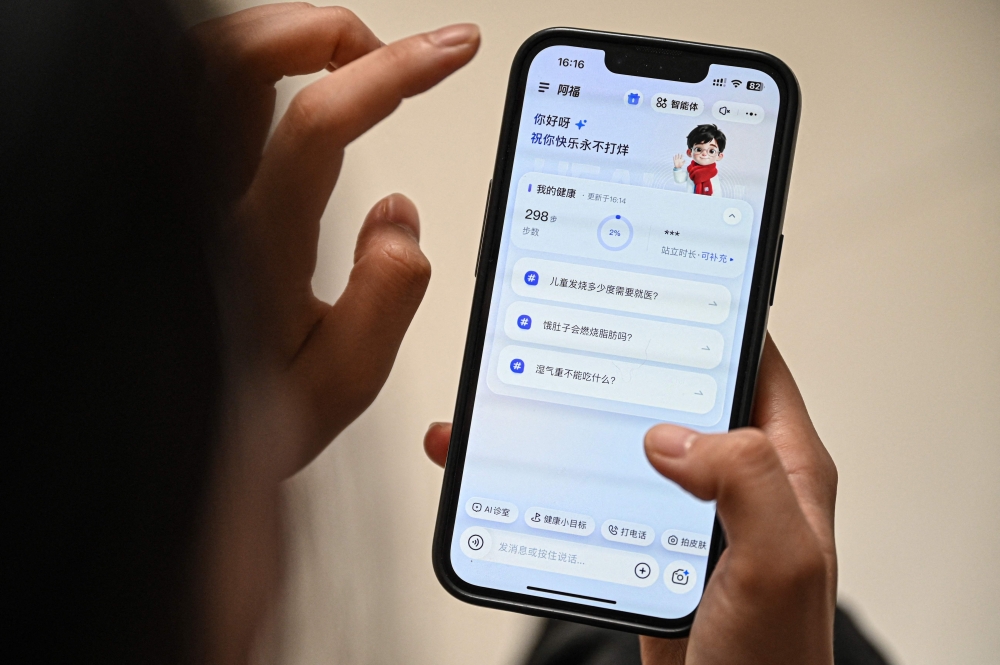
As healthcare integrates artificial intelligence (AI) and predictive analytics, the need for this invisible infrastructure is growing. There is a valid ethical concern that technology could further erode the human element of care. However, forward-thinking development is proving that AI can be part of the empathic framework. Human-centred maintenance systems are now being designed to predict equipment failures not just based on hardware metrics but aligned with clinical workflows to minimise disruption. Digital health platforms are being tuned to acknowledge user concerns in order to reduce dropout rates and improve data collection. In these instances, technology is not replacing empathy, but is being used to sustain it.
It is therefore time to redefine what makes a hospital “advanced”. It is not just about having the latest machinery. We must recognise that empathy is a form of rigour. It is the design choice that prevents a patient from feeling dehumanised by a machine. It is the workflow that protects a clinician from burnout.
Empathy is invisible but it is indispensable. Without it, even the most advanced medical equipment cannot do its job. By embedding empathy into the very foundation of our healthcare systems, we ensure that medicine does not just treat a disease, but also heals a human being.
* Noor Syazwani Mohd Zin is a final year student at the Department of Biomedical
Engineering, Faculty of Engineering, Universiti Malaya, enrolled in an elective course entitled “Healthcare Technology and Clinical Management”, and may be reached at
** This is the personal opinion of the writer or publication and does not necessarily represent the views of Malay Mail.


