


AUG 12 — Palliative care is different from other medical specialties because it treats the person and not the disease.
Doctors and nurses providing palliative care focus on the impact a life-limiting illness has had on the patient and their family.
They look at the problems the patient is facing; physical such as pain, nausea, vomiting etc. as well as the psychological and social effects.
Health care personnel together with the patient work out a way of managing these problems in order to improve the patients’ quality of life.
Palliative care is not an alternative to treating a disease; it is an individualised patient-centred care that goes alongside disease orientated treatment.
All patients suffering from life-limiting diseases such as organ failures, cancer, AIDS/HIV and neurological disease can benefit from having good pain and symptom control and psychological support.
Palliative care can be available in a number of places. These include hospitals, long-term-care facilities, hospices or at home.
In the last few years, evidence has grown that palliative care improves quality of life and may even prolong life.
In 2014, the World Health Assembly passed a resolution calling on member states to develop and strengthen policies to support palliative care services across all levels of health care with particular emphasis on community care. It was therefore time to look at the palliative care needs in Malaysia.
The National Palliative Care Needs Assessment released by Hospis Malaysia earlier this year found that more than 90 per cent of the population has not heard of palliative care (from a public perceptions survey conducted).
However after being given an introduction to palliative care, 99 per cent showed their support towards palliative care. Over 60 per cent felt that palliative care should be integrated into the national healthcare systems.
Through the public survey, we asked people on the street what their experience was of illness in their families.
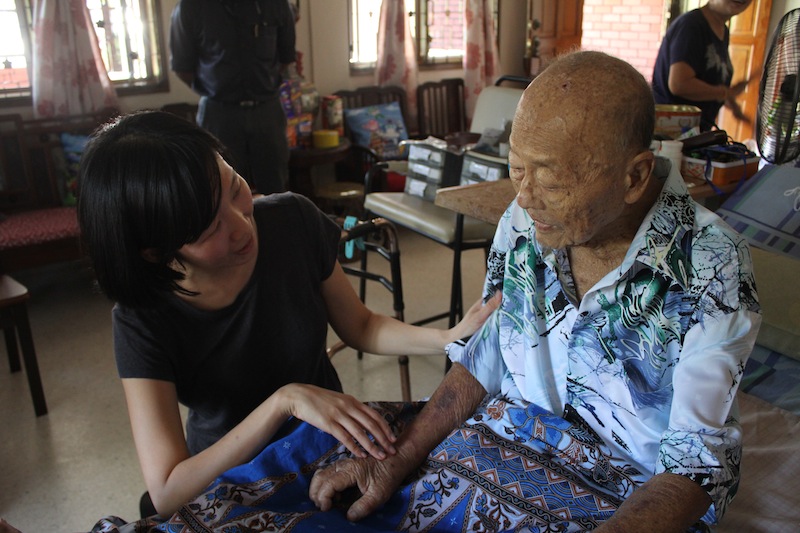
Fifty-three per cent said there was someone in their household with a chronic illness. Of those involved in caring for a family member, 93 per cent had given up work to do so. In other words, a large economic burden.
For those who have lost a loved one in the last 10 years, 52 per cent died in hospital. However, when asked, 61 per cent indicated home as the preferred place of death as compared to 6 per cent in hospitals.
About 53 per cent of these people said they would like to receive care at home. This will only be a possible option if there are adequate community palliative care services, that at the very least, adhere to providing minimum standards of care in accordance with internationally recognised guidelines.
We often hear that talking about death and end of life care is a sensitive topic.
Interestingly, the public survey showed that many had thought about what they wanted at the end of life, they thought it was important to talk about it, but admitted they did not do so for fear of upsetting family members.
In the future, with the rise of non-communicable diseases and an ageing population, more people will be living with a life-limiting illness.
Despite treatment of the underlying disease, these patients and their families will face symptoms and other issues which impact their quality of life and will face difficult choices about treatment options.
Palliative care should be seen as an integral part of good health care. It is estimated that 56,000 Malaysians require palliative care yearly. Yet, only 8 per cent of the country’s palliative care needs are being met.
Most patients and families would like to receive care at home. Are we equipped to provide care to meet those needs?
* Dr Sylvia McCarthy is medical director of Hospis Malaysia
** This is the personal opinion of the writer or publication and does not necessarily represent the views of Malay Mail Online.


