


KUALA LUMPUR, Jan 3 — At Panorama Bukit Antarabangsa, archery was less about standing still and more about endurance.
From early morning, competitors at the National Field Archery Championship 2025 trekked across steep slopes and uneven paths, climbing and descending hills before even raising their bows.
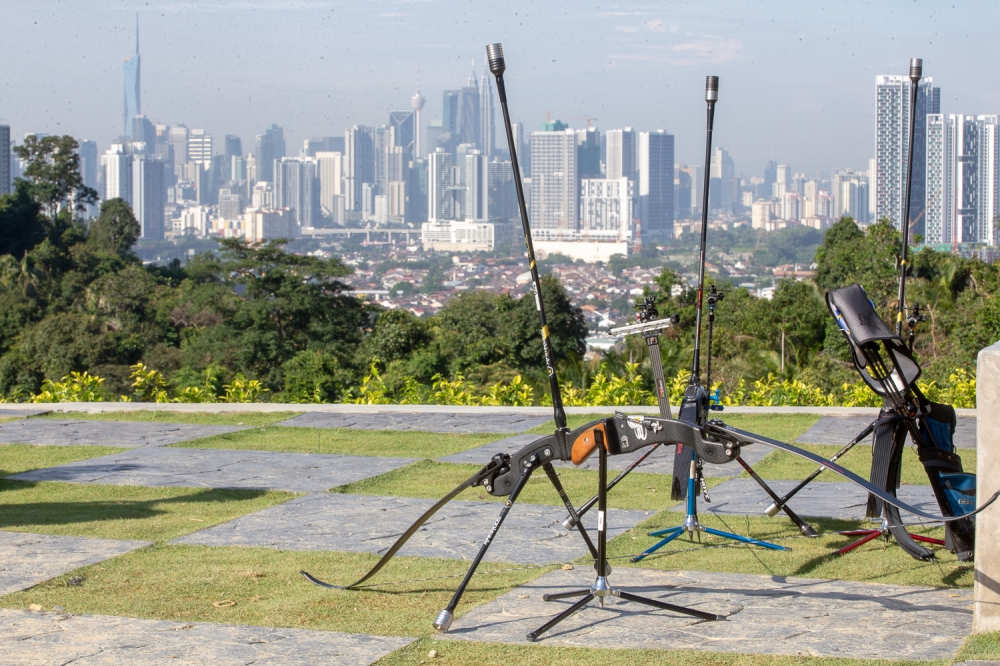
Field archery, unlike its Olympic-style counterpart, removes the comfort of flat ground and fixed distances.
Targets are scattered across natural terrain, positioned on high and low ground, with distances often left unmarked, forcing archers to rely on judgement, experience and physical stamina.
For first-time participant Mohamed Rizal Sarip, a school teacher from Sekolah Sukan Tunku Mahkota Ismail in Bandar Penawar, Johor, the challenge was both technical and physical.
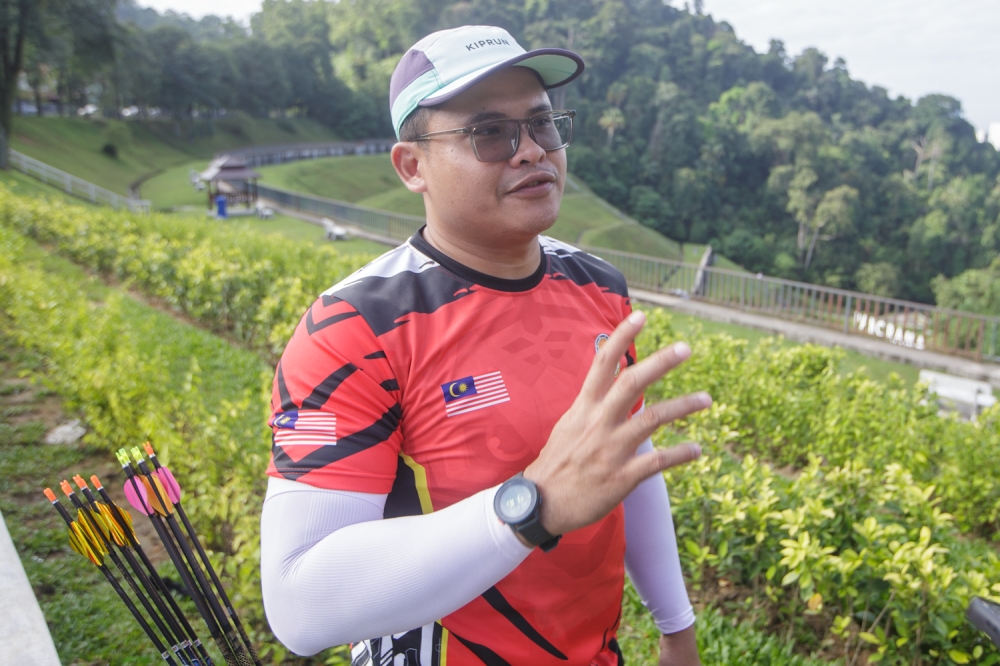
“The difference between traditional and field is that the distance is unknown,” he told Malay Mail.
He explained that distance directly affects how an archer anchors the draw, or where the fingers rest on the face when pulling the string.
“Some may anchor along the jawline, some just under the mouth, some around the cheekbone. When the distance is not mentioned, we only get three tries to place it where we want. That’s the best part. It’s challenging.”
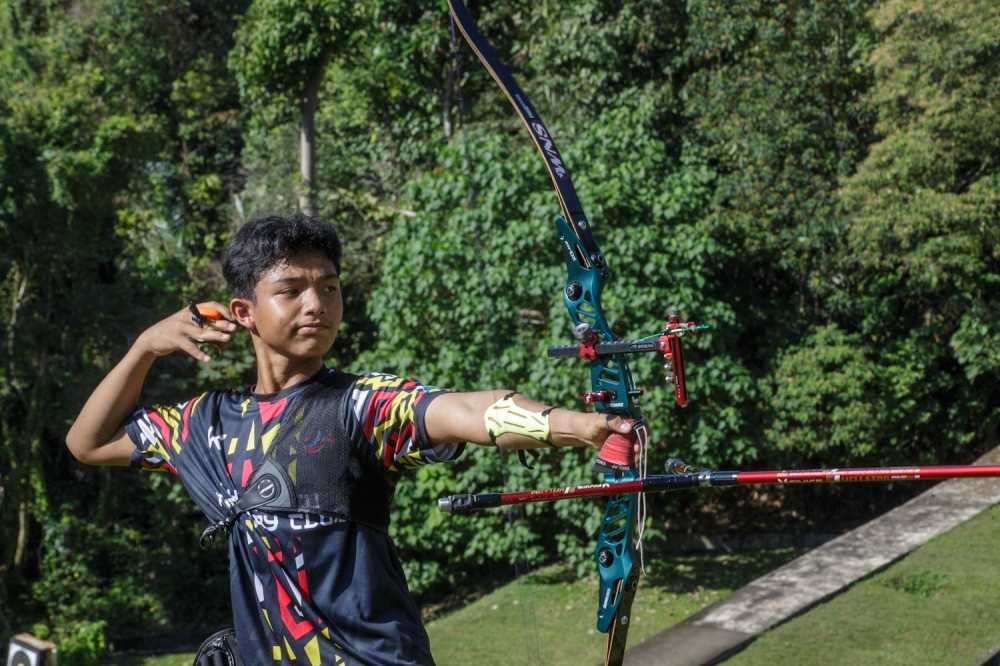
Rizal travelled overnight from Johor, leaving around midnight, stopping briefly at the Nilai rest and recreation stop (R&R) before reaching Kuala Lumpur in the morning.
Before competing, he took photographs of the course while soaking in the environment.
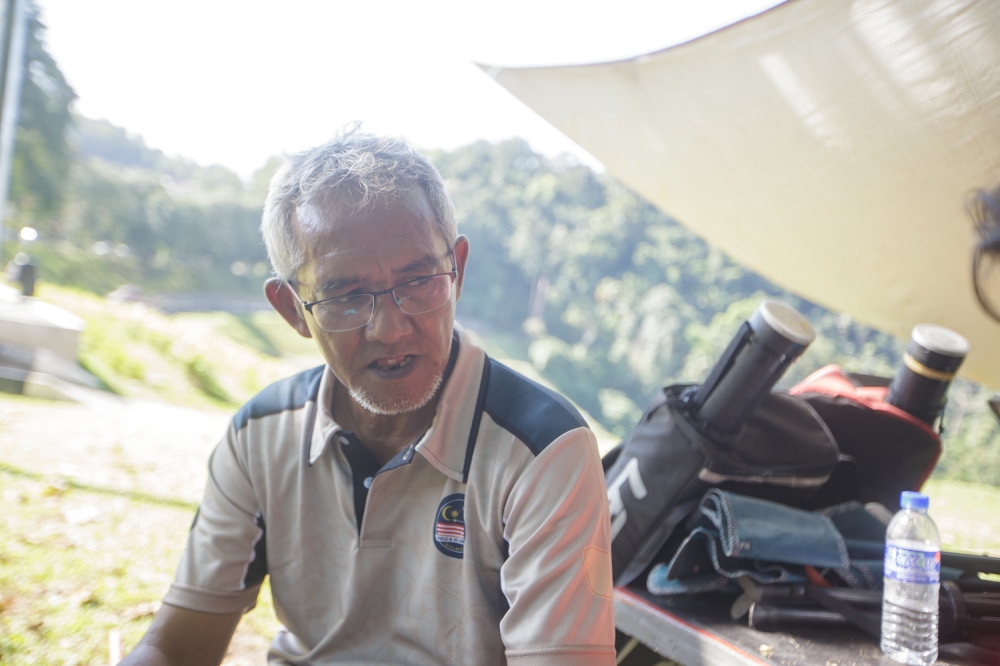
Former national Paralympic archery team coach Tan Peng Loon said field archery demands far more movement and physical effort than conventional target competitions.
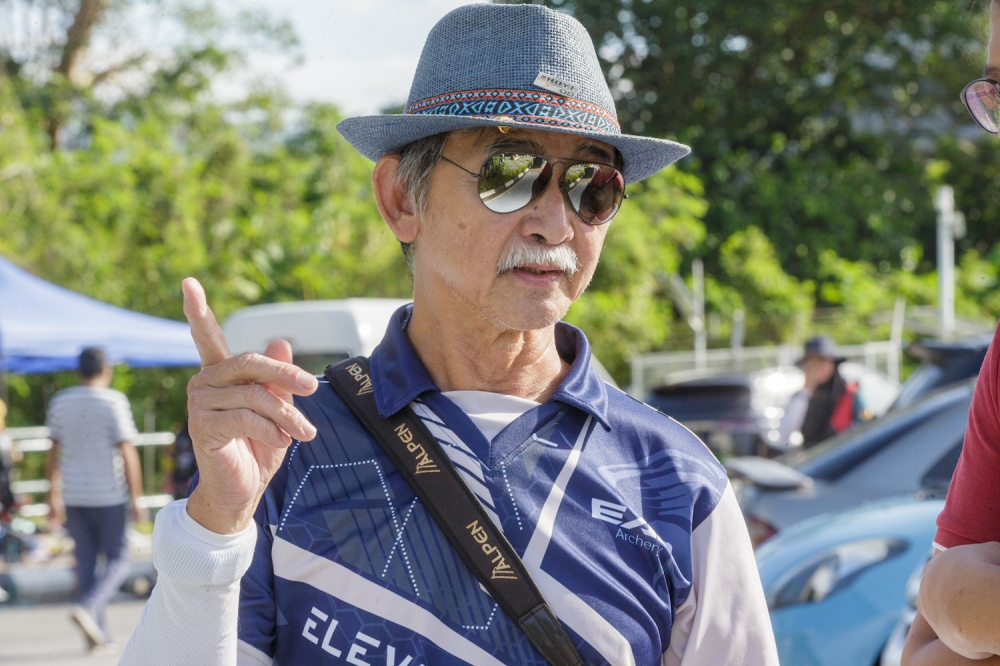
“In World Archery tournaments, there are only two categories, compound and recurve. They shoot 70 metres and 50 metres on flat ground, just like the Olympics,” said Tan, who’s also a technical advisor at Excella Archery Pro Shop in Wangsa Melawati.
Field archery, he explained, uses similar equipment but places targets across varied terrain.
“You can shoot barebow, recurve or compound. The difference is where the targets are placed, on high ground, low ground, and the distance is unmarked, so we don’t know the distance. It’s actually more exciting than target competition,” he said.
The physical toll is part of the discipline’s appeal.
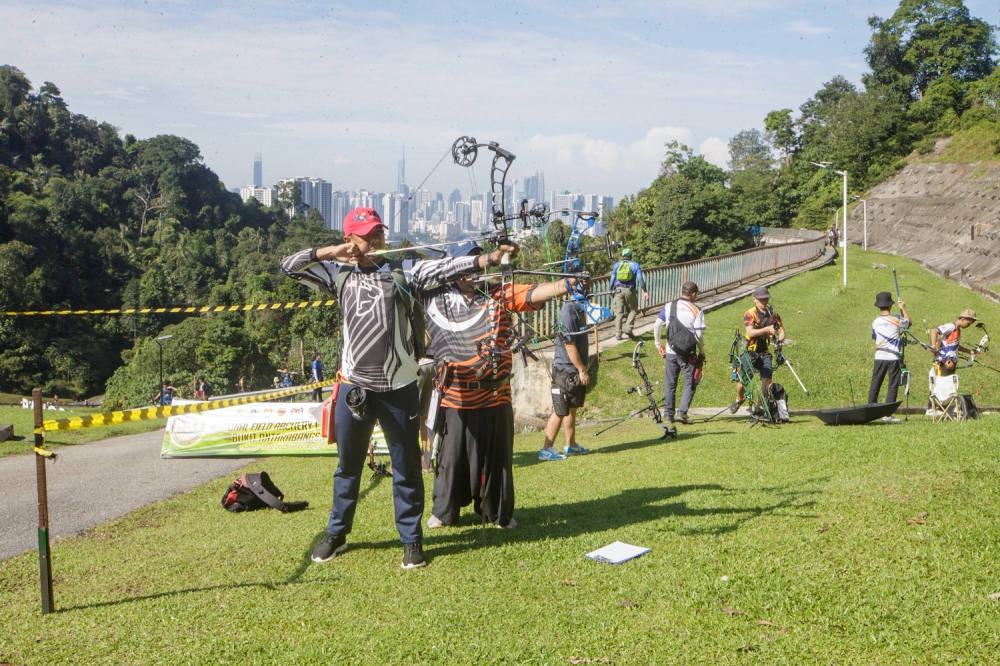
According to event consultant Jeffri Zaiham Jamaluddin, field archery is among the most demanding formats in the sport.
“Field archery is arguably the second most difficult discipline in the world in the (sport’s) calendar,” he said, placing it just behind 3D archery.
“In field archery, there are three arrows. Your first arrow is your testing. The shooter is unsure of the distance, so he shoots one first, sees how it goes, and then the archer knows what to do now. So maybe he wants to bring it down.
“But in 3D archery, if the first one misses, the second one is your first arrow now and if you miss that, it’s a loss,” he added.
That margin for adjustment, he said, is crucial when distances are unknown and terrain varies from one target to the next.
At Panorama Bukit Antarabangsa, more than 60 participants competed across 22 categories, tackling 24 target checkpoints spread across hilly ground.
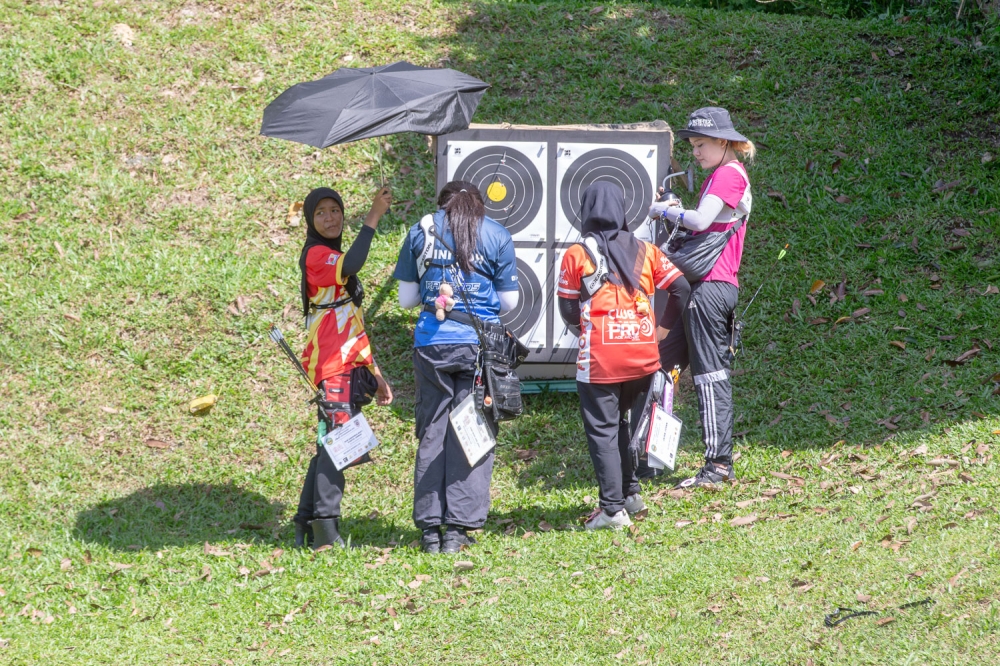
The site spans 0.376 acres (1,523 square metres), with a trail of about 500 to 600 metres from top to bottom.
Athletes began navigating the course from around 10am, hiking between checkpoints scattered throughout the area.
Organised by the Ampang Jaya Archery Club (KMAJ) and Sage Archery Club in collaboration with Ampang Jaya Municipal Council (MPAJ), the championship complies with World Archery standards and is recognised by the National Archery Association of Malaysia and the Sports Commission of Malaysia.
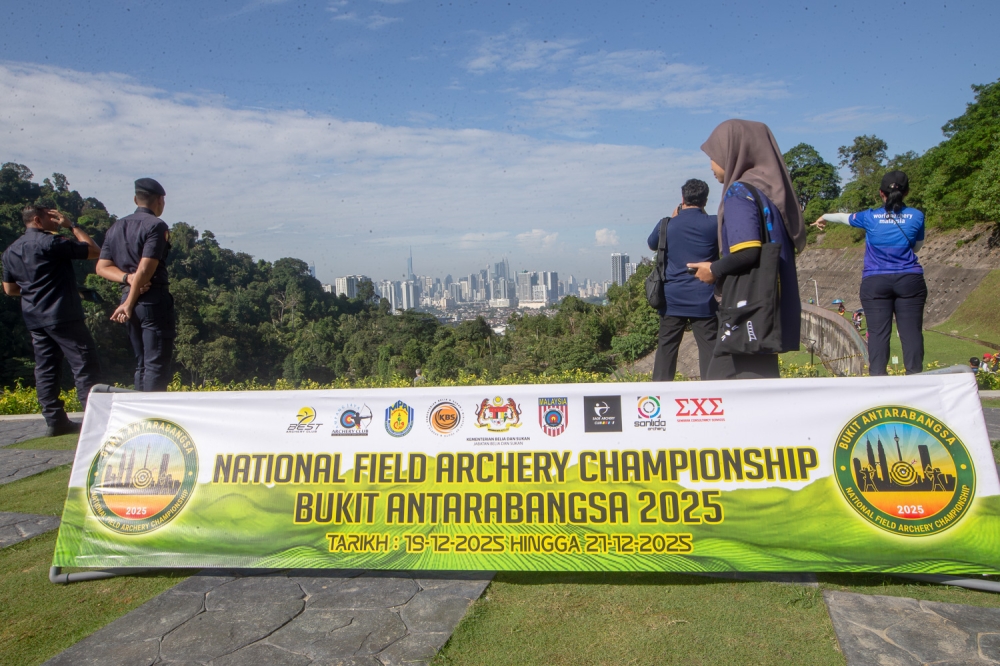
One judge said safety awareness rested on the participants themselves, all of whom were required to be insured, adding that the sport’s physical demands were well known.
“One of the participants became completely exhausted competing at Fraser’s Hill because you have to hike constantly,” the judge said.
Jeffri said December was deliberately chosen despite the rainy season, as wet and muddy conditions add another layer of difficulty.
“When it rains, it becomes more challenging. The hardcore archers like it even more when it’s muddy,” he said.
While still a niche discipline, field archery has been growing steadily in Malaysia.
The 2025 championship marked the fourth event organised in Malaysia — three national and one international — with archers from China, Macau, the United States and the Philippines taking part.
Jeffri said that there are plans in place for field archery to be an annual event.


