



















DECEMBER 18 — Chilli crab just doesn’t taste as good if you’re not eating it at a rickety orange table while sitting on a cheap plastic stool. Never mind about the humidity settling on your brow as you’re too engrossed in the deliciousness of the dish to care.
But you know what? And I think most Singaporeans agree — that while no frills, all taste stalls are the best places to gorge yourself on our various national delicacies, the truth is these places have become rare.
Of late, the old style coffeeshops have really been decimated; not I suspect because people don’t want to patronise these slightly gritty spots anymore but because these simple places never generated the rents and real estate value that developers and the worst of our city planners wanted.
This is one of the most intractable problems facing our city today. As real estate, shiny malls and (profitable) chain-stores have become predictable and pleasing cash cows, preserving those little remnants that make this not just a city but a home has become an afterthought.
Authorities intermittently talk about heritage but it is lip service they offer: a few preserved shop-fronts and a heritage trail super-imposed on lucrative modern gloss.
The thirst to mop up the last truly vibrant patches of old Singaporean culture seems insatiable. Earlier in the week, the Singapore daily The Straits Times published a letter in its Forum pages by a very concerned Singaporean. In it, the caring individual called for a “sprucing up” of Little India because the chaotic, charming neighbourhood that brims with stalls and buzzes with the energy of people at work and play is not appealing enough to tourists, he says.
“Little India is not as organised as Chinatown. Most of the shops in the small lanes feature businesses that have no relevance to tourism at all, such as shops selling automobile spare parts, and food caterers,” it begins before going on to offer a solution — additional state intervention to redevelop and mimic other tourist-zones.
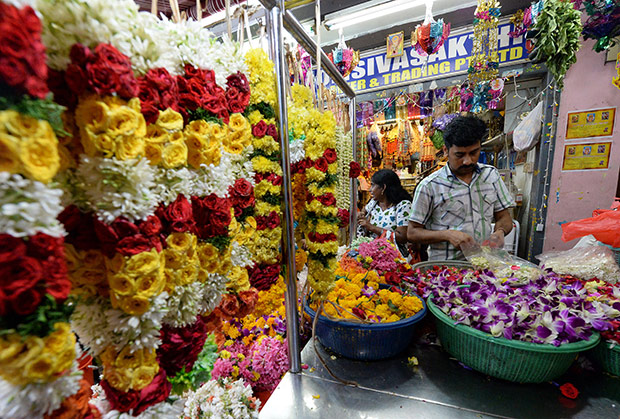
Fortunately, the Singaporean population pushed back fast and with a generous dose of humour to match their disdain. The #leavelittleindiaalone hashtag popped up as many Singaporeans expressed their disagreement, disapproval and disgust. More than any of these though, I was left feeling curious… how on earth did a fellow Singaporean manage to express such misguided sentiments at all?
Firstly, the idea that Little India isn’t attractive enough for tourists is patently absurd... because Little India doesn’t exists for tourists, rather it supports and is supported by a thriving local and resident population who are far more important than any tourists.
Secondly, Little India actually has enormous tourist appeal because of that community and authenticity — far more than Chinatown and Kampong Glam which have been “spruced up” over the decades and emerged as tacky shadows of their former selves... failures by any standards of urban redevelopment.
So again how did this man manage to come up with his idea? Is it the severe lack of imagination inflicted by years of rote learning and a censored media environment? The propaganda of a ruling class that has convinced people that the only Singapore worth having is one that is clean, orderly and completely regulated?
Or is it something significantly more sinister: part of a long term real estate play — because this “chaotic” Little India is within striking distance of the CBD.
Real estate fills all sorts of coffers in Singapore and few central neighbourhoods have seen less “redevelopment” than Little India. One has to take a second look at the alcohol restrictions that dislodge the usual denizens or the bizarre racial policies that prevent South Asians seeking employment in retail and F&B outlets in Little India that slowly strangle vendors.
Little India has resisted so far but gentrification has made clear and inevitable inroads into the enclave.
Too much of a conspiracy theory? A recently made acquaintance who worked in government mentioned that when reading a state owned newspaper, the question to ask isn’t what is published but why is it published? So, I find myself asking: is it perhaps for the powers-that-be this letter is a feeler to see how the idea of a “less chaotic” aka “more profitable”Little India is received?
Which is why it’s refreshing that there’s been a fairly solid outcry. Because it should be clear to most sensible Singaporeans that this sort of “sprucing up” won’t actually be an act of development but rather an assault on the last remaining bastions of our collective national heritage.
This is not about any race but rather about a shattering of the right to our own spaces and places that aren’t for tourists or maximum profits but for preserving our traditions, memories and a sense of community.
This is why all truly concerned citizens should make it clear to the government and anyone else that they should really #leavelittleindia alone.
* This is the personal opinion of the columnist.


