


KUALA LUMPUR, March 21 — Malaysia’s debt profile, mainly funded by the ringgit, acts as a mitigating factor in the event of currency or interest rate shocks.
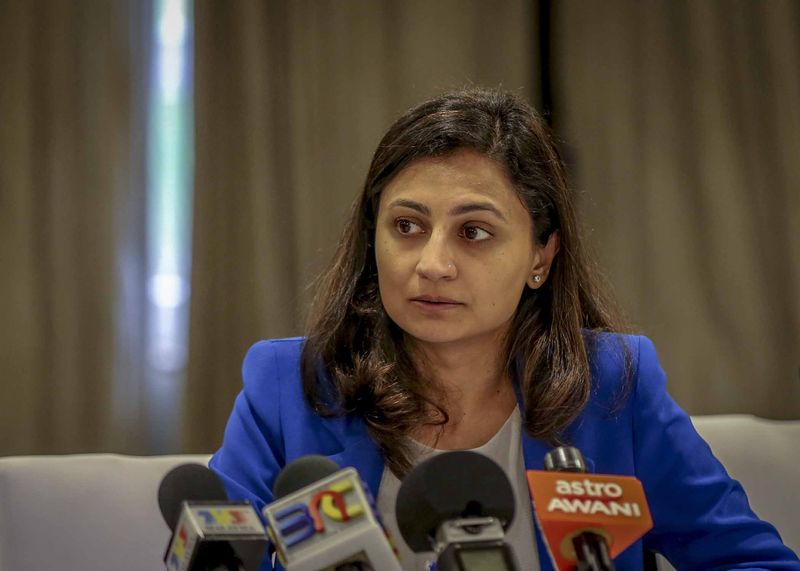
Moody’s Investors Service, Sovereign Risk Group Assistant Vice President and Analyst, Anushka Shah, said the debt profile has been factored into Malaysia’s ‘A3’ sovereign rating.
“The rating is underpinned by strong growth, large and diverse economic structure and ample natural resources. Malaysia is also one of the fastest-growing A-rated sovereigns,” she said at the Moody’s Media Roundtable: Inside Asean — Spotlight on Malaysia here today.
However, Anushka said, there were concerns that Malaysia’s government debt level to gross domestic product, which stood at about 51 per cent, was higher than the 41 per cent median of other A-rated sovereigns.
“Other concerns include the declining growth rate of the working-age population and downside global risks such as trade protectionism,” she added.
Anushka said Malaysia’s large buffer of foreign-exchange reserves could also mitigate external vulnerabilities.
“The government is maintaining its fiscal deficit reduction stance and committed to a reform policy agenda,” she said.
On the impact of 1MDB on the country’s rating, she said, the current probability of debt crystallisation from 1MDB was low, and it was not viewed as a risk to Malaysia’s fiscal position.
Meanwhile, speaking on Petroleum Sarawak Bhd’s (Petros) commitment to start oil and gas (O&G) exploration this year, Moody’s Investor Service Vice President and Senior Credit Officer for Corporate Finance, Vikas Halan, said it was too early to quantify the impact.
“We do not how this will pan out but we see that Petronas won’t be much impacted. It is too early to say but our base case is no change in legal status of Petronas as the exclusive explorer and owner of the (oil) resources,” he said.
Sarawak Chief Minister, Datuk Patinggi Abang Johari Tun Openg, recently said Petros would kick-off its exploration activities in Miri this year after the state took full regulatory control over both upstream and downstream O&G activities.
“For us, it is wait-and-see (the impact). Moving forward, all exploration will come under this company but nothing that Petronas is producing will go away,” said Vikas, adding that, it would be better to have an open industry. — Bernama


