


KUALA LUMPUR, Feb 7 — The global economy is experiencing a broad-based cyclical upturn, which is expected to be sustained over the next couple of years, although with downside risks.
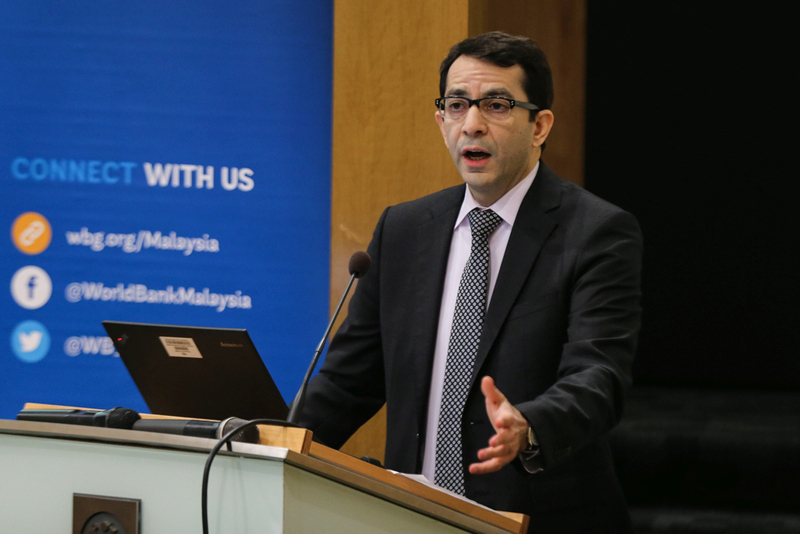
“Growth in potential output (full-employment output) is flagging, languishing below its longer-term and pre-crisis average both globally and among emerging market and developing economies (EMDEs),” said World Bank Development Prospects Group director Ayhan Kose in his speech of World Bank presentation at Bank Negara earlier today.
Kose said forces depressing potential output growth will continue unless countered by structural policies.
In oil-exporting economies, the 2014-16 oil price collapse has already prompted some reforms.
Nevertheless, across all EMDEs, room for policy improvements remains.
Policy initiatives to lift physical and human capital, encourage labor force participation, and improve institutions could help raise potential growth and reduce inequality.
Global growth is projected to edge up to 3.1 per cent in 2018, as the cyclical momentum continues, and then slightly moderate to an average of 3 percent in 2019-20.
Nonetheless, there remain important downside risks.
“Disorderly financial market movements, such as an abrupt tightening of global financing conditions or a sudden rise in financial market volatility, could trigger financial turbulence and potentially derail the expansion,” added Kose.
The adverse effects of rising borrowing costs could be particularly acute for those EMDEs with large external financing needs, fragile corporate balance sheets, and significant fiscal sustainability gaps. In addition, he said the escalating trade protectionism or rising geopolitical risk could also negatively affect confidence, trade, and overall economic activity.
Over the longer term, Kose seems a more pronounced slowdown in potential output growth in both advanced economies and EMDEs would make the global economy more vulnerable to shocks and worsen prospects for improved living standards.


