


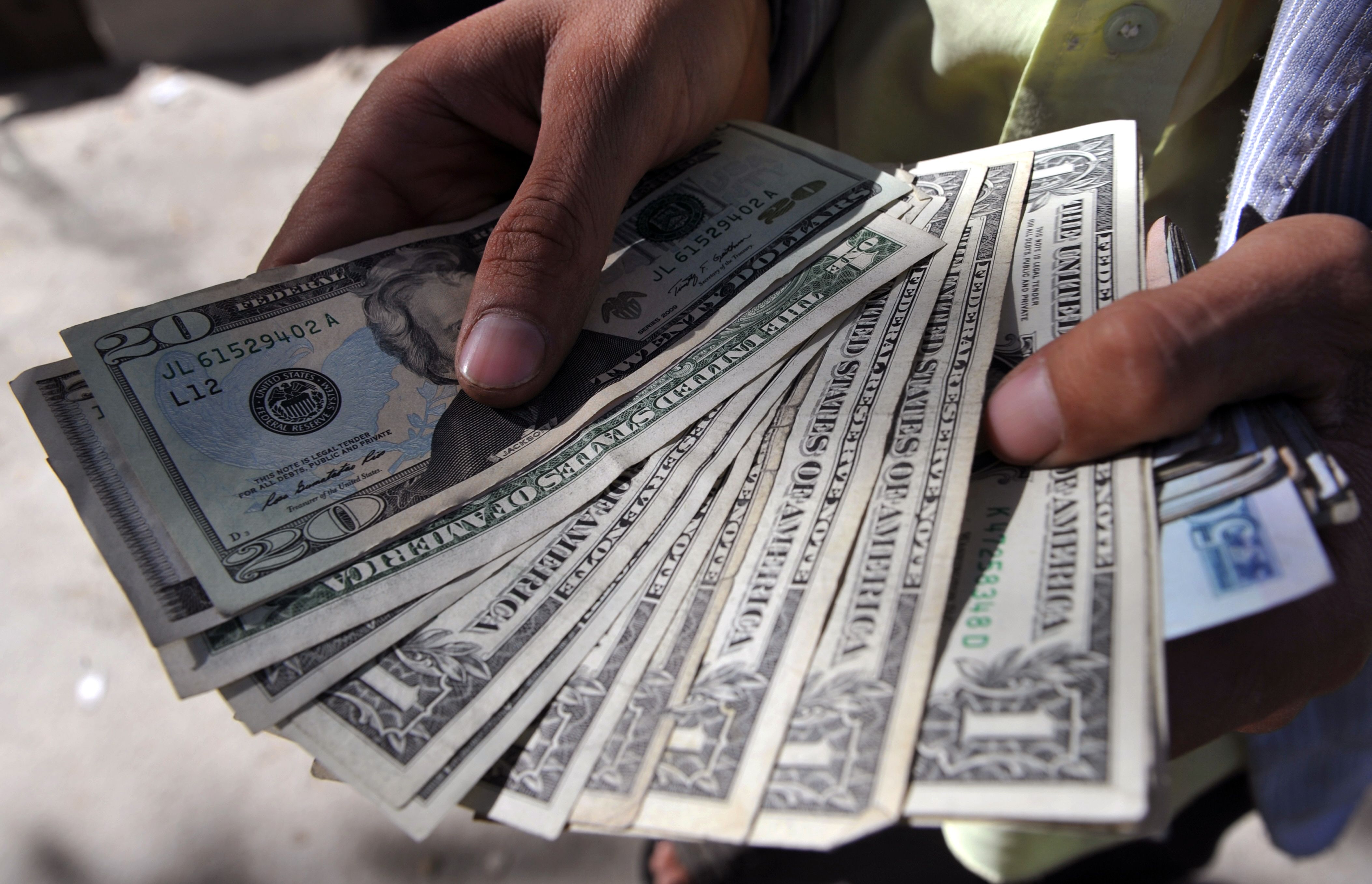
NEW YORK, Sept 3 — The dollar rose against most major developed peers as employment data due out of Washington and a European Central Bank meeting return focus to the relative strength of the US economy and the timing of Federal Reserve interest-rate increases.
The greenback rebounded yesterday from two days of losses against the euro and yen after a private report showed hiring in the US was mostly on pace in August.
The Labor Department releases its employment figures tomorrow.
The euro extended losses ahead of the ECB meeting today with recent market moves making it likely President Mario Draghi will downgrade the institution’s quarterly inflation forecasts at his press conference.
“Whether this dollar-buying sentiment can be sustained will hinge on how strong the payrolls number will be,” said Jun Kato, senior fund manager in Tokyo at Shinkin Asset Management Co.
“Inflation expectations are falling in Europe and whether there will be further easing or not is getting into focus.”
The Bloomberg Dollar Spot Index, which tracks the currency versus 10 major peers, added 0.1 per cent to 1,210.37 as of 1:27pm in Tokyo.
It rose 0.3 per cent on Tuesday, snapping two days of declines.
The dollar gained 0.2 per cent to 120.54 yen and 0.1 per cent to US$1.1218 (RM4.734) per euro.
Private-sector hiring increased by 190,000 in August, up from 177,000 in July, the ADP Research Institute in Roseland, New Jersey reported Wednesday. Government data this week will show US employers added 217,000 workers, more than 200,000 for a fourth month, according to economists surveyed by Bloomberg before the release.
Volatility sold
The dollar has appreciated 8.6 per cent this year, the best performer after the Swiss franc of 10 developed-nation currencies tracked by Bloomberg Correlation-Weighted Indexes, as the Fed signaled it is moving toward raising rates for the first time since 2006.
The central bank next meets September 16-17.
The US economy expanded across most regions and industries in July and August, the Fed’s Beige Book report showed Wednesday, as tighter labor markets boosted wages for some workers.
In contrast, weaker commodity prices, slowing trade and a rout in global equities make it likely Draghi will downgrade the ECB’s quarterly inflation forecasts on Thursday. While economists see further policy action as unlikely for now, they’ll be tuned in for any language indicating the bank’s quantitative-easing program could be expanded.
Implied volatility in the euro-dollar is being sold by market players on expectations that the ECB will be dovish, said Atsushi Hirano, head of foreign-exchange sales Japan at Royal Bank of Scotland.
One-month implied volatility in the currency pair fell to 11.66 per cent from 12.075 per cent yesterday.
It climbed to a seven-week high on September 2. — Bloomberg


