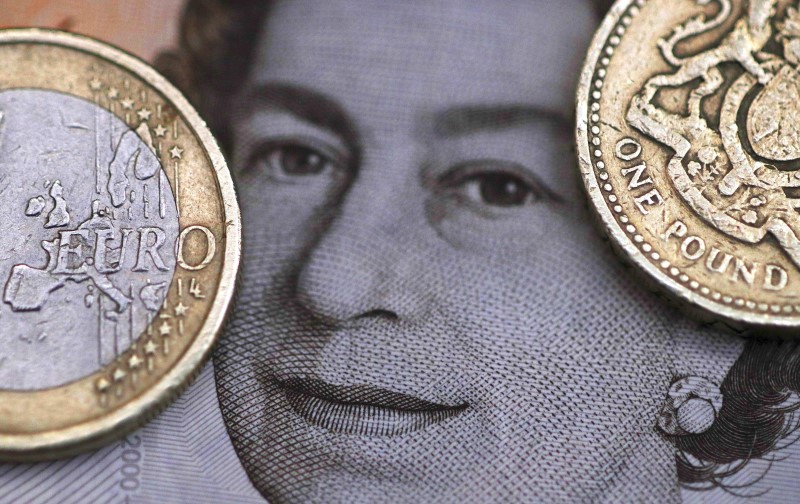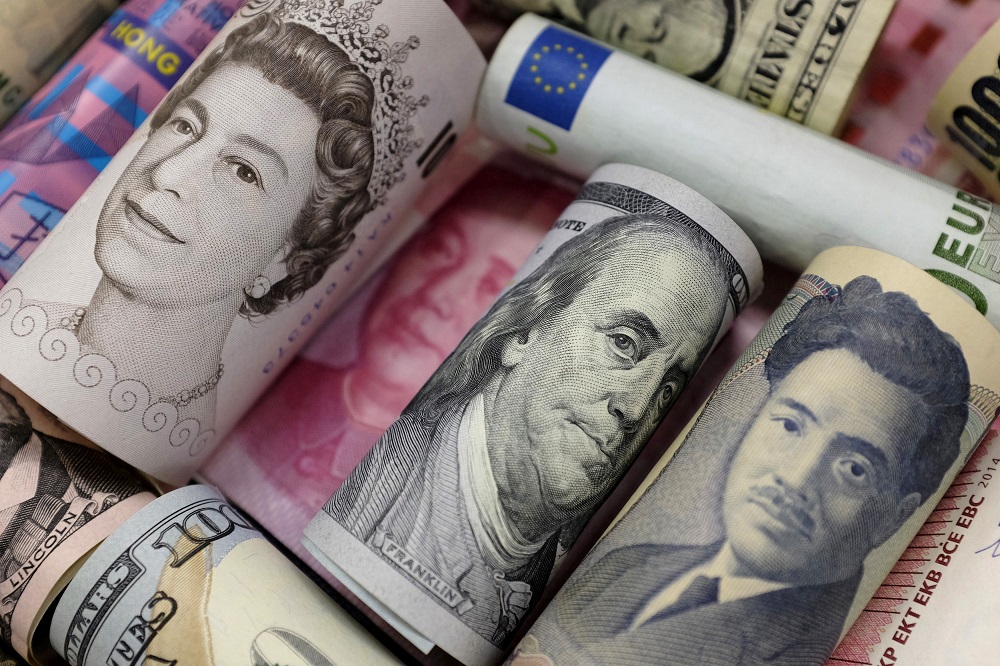
LONDON, Aug 21 — The euro, which hit two-year dollar highs this week on the US stimulus deadlock, fell back heavily today as data showed eurozone economic activity slowed in August against a backdrop of rising coronavirus cases.
IHS Markit’s closely-watched PMI index fell to 51.6 points from 54.9 points in July although that was still above the key 50 points level that indicates growth.
“The euro’s rally has come to a halt this week on growing concerns that coronavirus is coming back strongly in parts of Europe and will hurt the economic recovery,” noted Fawad Razaqzada, market analyst with ThinkMarkets.
“In fact, economic activity has already slowed down according to the latest Purchasing Managers’ Indices from Germany and especially France, where Covid-19 cases have risen sharply since July.”
European stock markets meanwhile steadied amid hopes for a vaccine and another tech-inspired Wall Street record yesterday.
Investors brushed off a surprisingly weak US jobs report published yesterday, but optimism remains checked by the spreading virus and Washington’s stimulus stalemate.
While vast central bank support has helped fan a surge in equities globally, titans such as Amazon and Apple have been major winners as the pandemic confines billions to their homes, pushing the Nasdaq to numerous records.
The advances came despite news that 1.1 million Americans made new claims for unemployment benefits last week, reinforcing concerns about the world’s biggest economy.
However, observers said the reading could give warring lawmakers in Washington the kick-start they need to agree a new rescue package, having failed to reach a consensus after two weeks.
Optimism was lifted also after Pfizer and BioNTech SE said a vaccine they are working on could be up for regulatory review by October.
If all goes well, the jab could be ready to roll out as soon as November.
While massive financial support from central banks and governments has been crucial to helping economies, a vaccine for a disease that has killed nearly 800,000 people and infected more than 22 million is seen as paramount.
‘Raised expectations’
The vaccine news “has raised some expectation... that life around the world could return to normal sooner than expected”, said AxiCorp’s Stephen Innes.
“This is not only good for market concerns, this is a world desperately anxious for a cure to put an end to the most severe global recession since the 1930s,” Innes said.
“From a stock market concern, it’s great for growth assets as planes will fly, the oil will flow, and laggard industries will emerge from the Covid-19 fog and their stocks will soar.” — AFP