


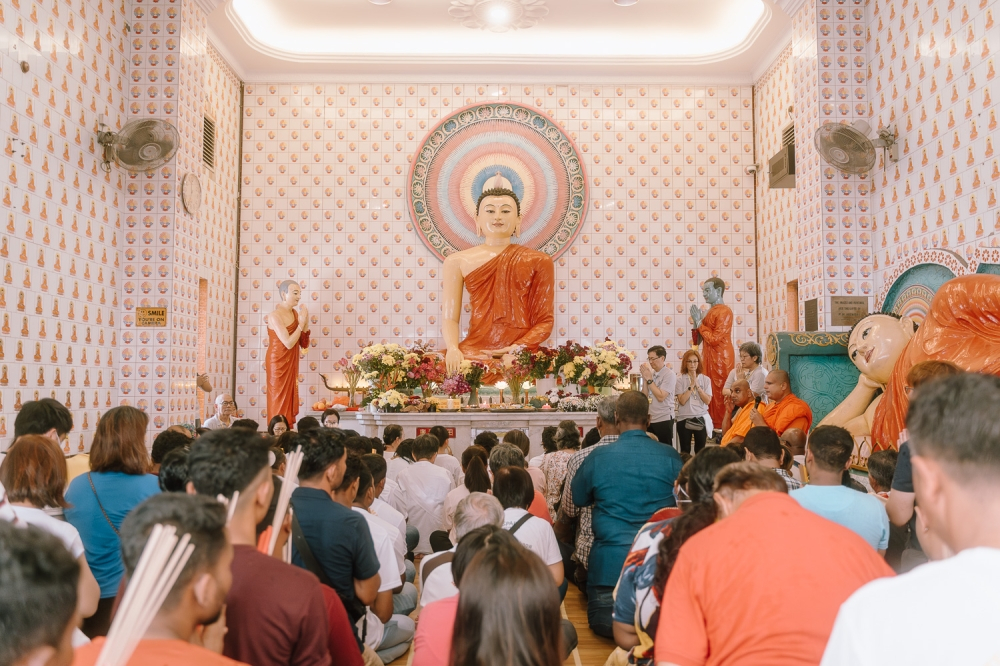


KUALA LUMPUR, May 31 — Some 2,500 years ago, Prince Siddhartha Gautama was born in Lumbini – located in present-day Nepal – and is said to have later become the Buddha or “the enlightened one” while seated under a Bodhi tree.
Wesak Day marks his birth, enlightenment and passing and is revered as the holiest day in Buddhism.
Buddhists in different parts of the world commemorate the day on different dates between May and June.
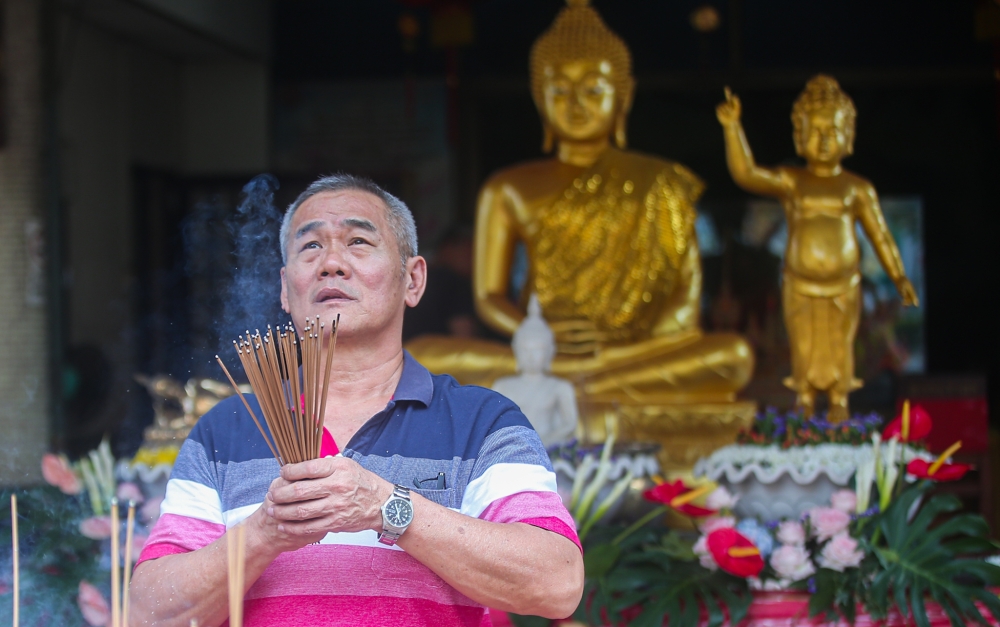
This year, Nepal observed Wesak on May 1 along with Cambodia, India and Laos.
In contrast, Malaysia and neighbouring Indonesia, Singapore and Thailand is commemorating the occasion today.
Why the different dates?
K. Don Premaseri, the vice-president of Sasana Abhiwurdhi Wardhana Society that manages the Buddhist Maha Vihara in Brickfields, said Wesak celebrations are determined by the traditions followed by respective countries.
Don said the southern Buddhist tradition observes Wesak Day on the first full moon day in the month of Wesak while the northern Buddhist tradition would do so on the eighth day of the fourth lunar month.
Southern Buddhist traditions are practised in countries such as Sri Lanka, Thailand and Myanmar while countries like China, Taiwan and Korea follow the northern Buddhist traditions.
“The full moon days will change (each year) because the lunar cycle differs from the Gregorian calendar that has 365 days in 12 months.
“Due to the different traditions and lunar calculations, Wesak Day may be observed on different days between countries,” Don told Malay Mail.
Don said Wesak Day is also referred to as Waisak, Buddha Purnima, Buddha Jayanthi or Buddha Day in some countries.
However, he stressed that all the traditions ultimately commemorate the Wesak in the same spirit by embracing the Buddha as their teacher, his teachings as their guide and the monastic sangha (ordained monks) as their continued teachers.
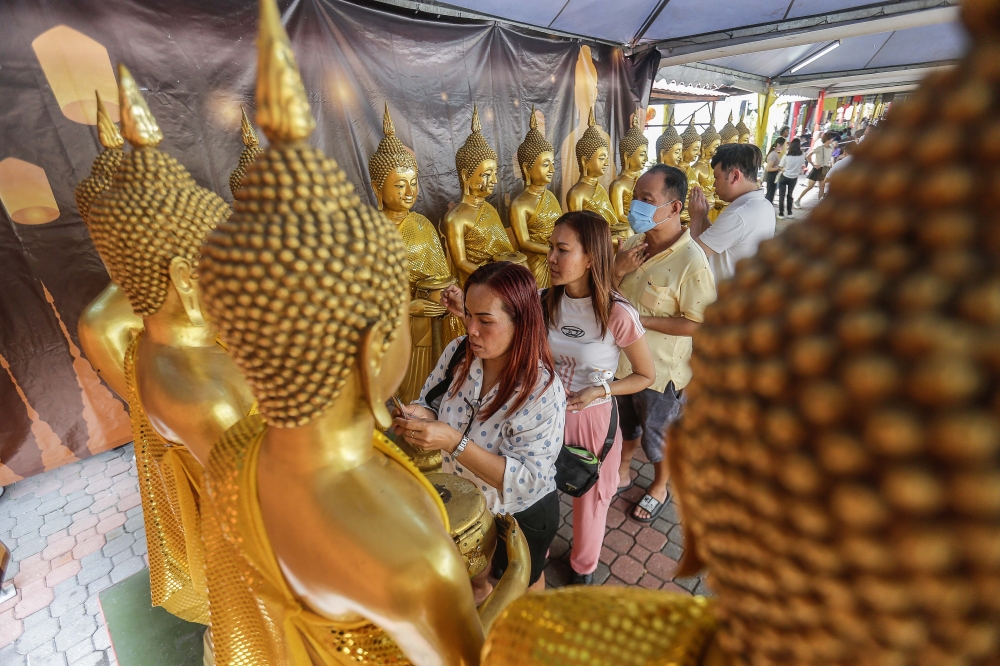
Special ‘pujas’, hymns and floats mark Wesak in Malaysia
Like most Buddhists around the world, devotees in Malaysia typically wear white and observe the Eight Precepts – a stricter version of the Five Precepts – as a form of spiritual discipline on Wesak Day.
The Five Precepts include abstaining from five habits: killing living beings, stealing, sexual misconduct, lying and becoming intoxicated.
The Eight Precepts contain an additional three guidelines, which are to refrain from eating after midday, from dancing, singing, music, and unseemly shows as well as from the use of perfumes and cosmetics.
The Buddhist Maha Vihara in Brickfields hosts one of the biggest Wesak celebrations in Malaysia annually.
This year, the Buddhist monks will perform a gilampasa puja on the eve of Wesak Day, during which certain fruit juices or medicinal drinks will be offered to the Buddha.
This act intends to honour the sangha because Theravada Buddhist monks are allowed to have proper meals from sunrise to noon but from noon onwards, they can only consume the gilampasa items.
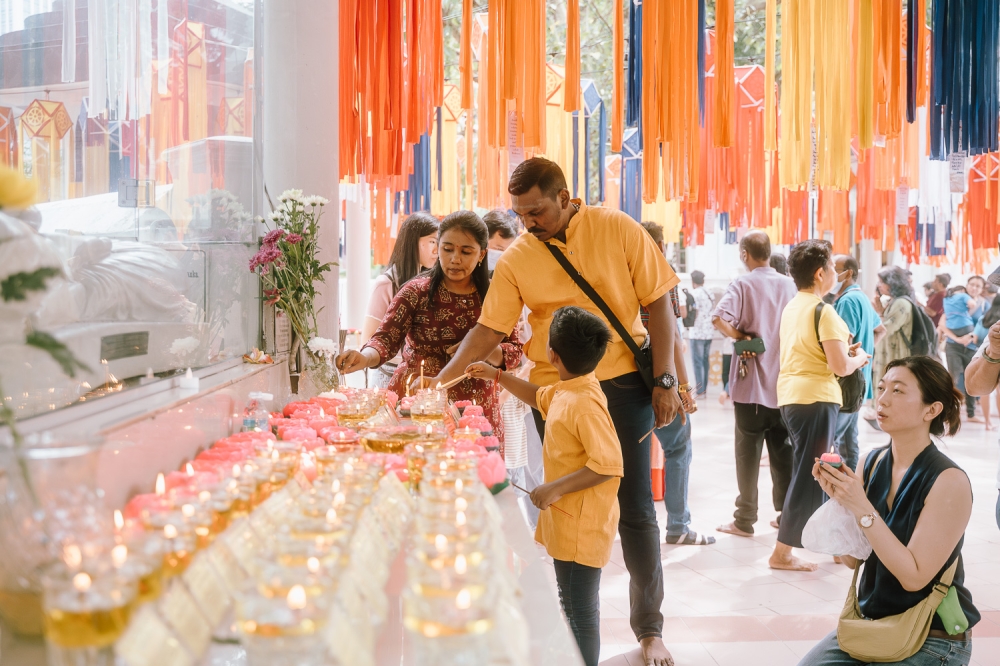
An overnight meditation programme will commence at midnight on Wesak Day and continue until 6am.
The Buddhist flag will be hoisted at 7am, followed by the singing of Buddhist hymns, distribution of free food to the public and several religious programmes.
Blood and organ donation campaigns will also run concurrently on both days.
A grand float procession featuring colourful floats depicting the Buddha and his teachings as well as devotees carrying lotus candles will begin at 7pm.
The procession will move through several key streets in the city before heading back to the Buddhist Maha Vihara by 11pm.
A similar procession is also expected to take over the streets of Penang on May 31, featuring more than 20 colourful floats.
How do other countries mark Wesak?
In South Korea, Wesak Day celebrations include the Lotus Lantern Festival or the Yeondeunghoe, a 1,200-year-old spring festival featuring a lantern procession and the Ganggangsullae circle dance, among other cultural events.
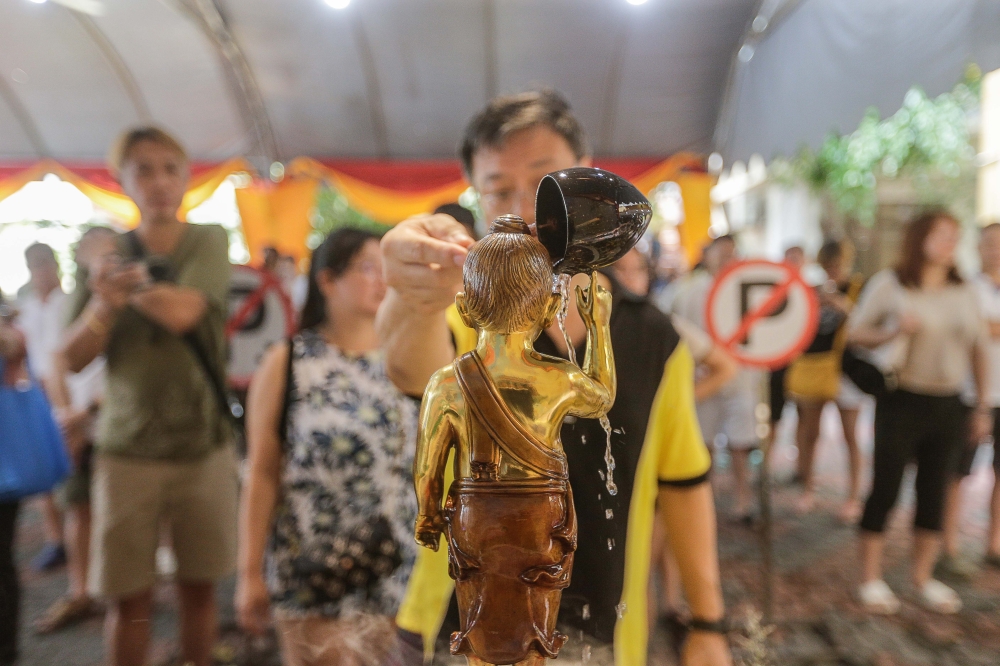
In China, home of to one of the world’s largest Buddhist populations, adherents conduct a bathing ritual by pouring fragrant water over a statue of an infant Buddha.
The act symbolises cleansing one’s mind and body and is also performed in some Buddhist temples in Malaysia.
Meanwhile, many Buddhist monks (bhikkhus) from various countries undertake the thudong ritual by walking hundreds of kilometres to the world’s largest Buddhist temple, the Borobudur in Indonesia.
The bhikkhus collect alms food offered by locals – an act referred to as pindapata – and eat only once a day.
Upon reaching the Borobudur, they climb to the upper levels and circle the temple three times clockwise in an act called pradakshina.


